Sharp Fall In Crude Oil Prices Costs Fuel Marketers Over Rs 17,500 Crore
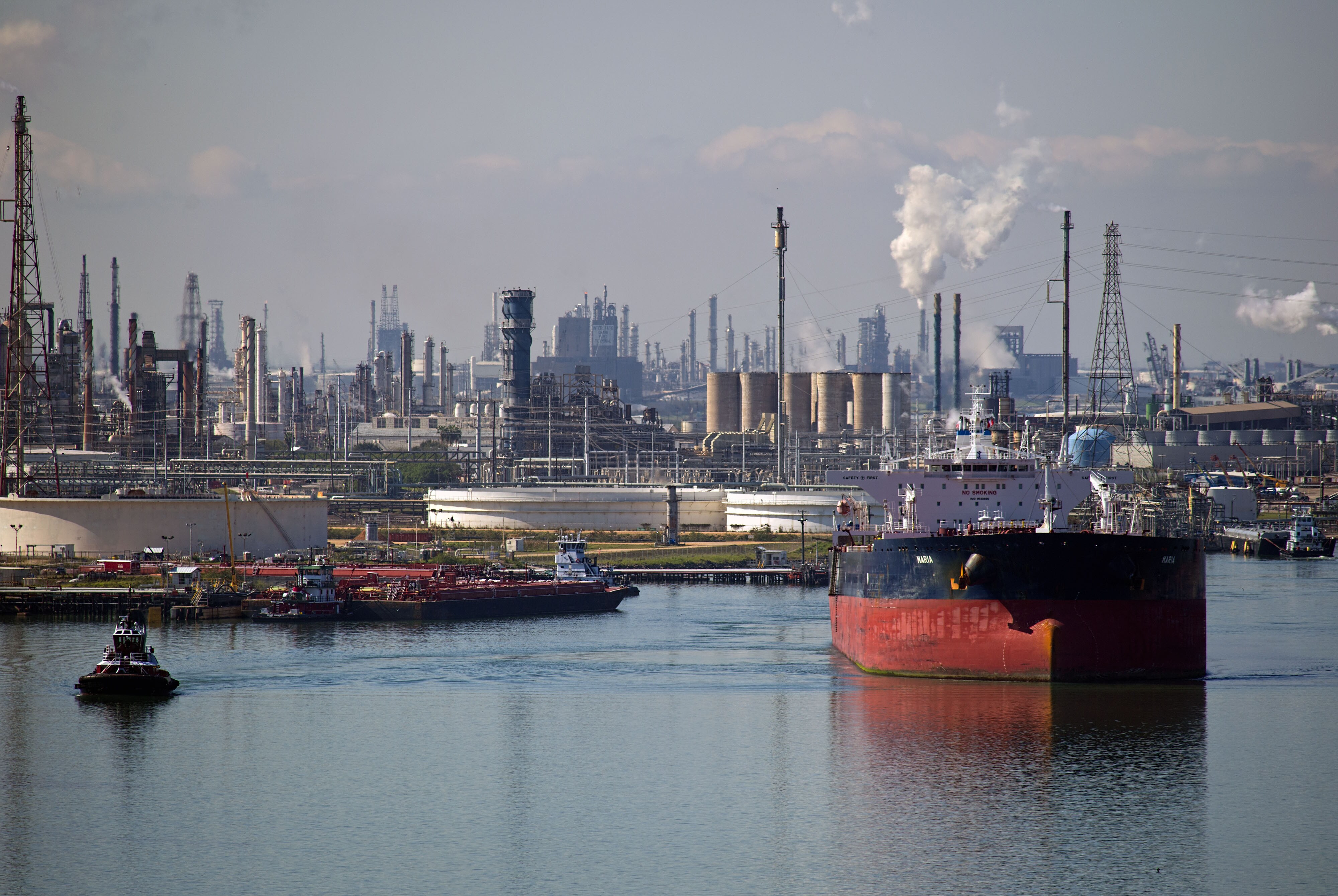
India's state-run fuel marketers suffered their highest inventory loss in at least five years in the December-ended quarter due to a sharp fall in crude oil prices.
The combined inventory loss incurred by the three listed oil retailers—Indian Oil Corporation Ltd., Hindustan Petroleum Corporation Ltd. and Bharat Petroleum Corporation Ltd.—rose to Rs 17,500 crore in the three-month period. That was largely due to Brent crude, the Asian benchmark, declining from its peak of $86.29 per barrel to $50.47 per barrel in the quarter due to oversupply concerns amid tepid demand growth.
Oil refiners import and stock crude oil for processing and incur inventory losses when prevailing prices fall below that at which stocks were purchased.
That squeezed oil refiners and marketers who generally do business on wafer-thin margins. The operating margins of the three state-run companies fell to at least a three-year low in the three months through December. IOCL and HPCL's earnings before interest, taxes, depreciation, and amortization margins were the lowest in the last three years, while that of BPCL was at five-year low.
However, adjusting for inventory losses, the Ebitda grew at least four-fold quarter-on-quarter. The oil marketers managed to report profit against expectations of losses from analysts due to foreign exchange gains, stronger refining margins, higher other income and lower interest cost.
Relatively stable crude oil prices and higher marketing margins are expected to help the oil marketers bounce back in the quarter ended April 2019.
Gross marketing margin, or the markup earned by oil marketers on the sale of every litre of petrol and diesel, has averaged at Rs 6 so far—the highest since at least the first quarter of FY2016, according to data compiled by BloombergQuint.
The higher gross marketing margin is expected to benefit HPCL and BPCL the most as the contribution of retail fuel sales to their operational profit, according to BloombergQuint's calculations, is nearly 60 percent and 40 percent, respectively.
The oil retailers are likely to keep their marketing margins higher in the fourth quarter, due to the onset of general elections. Previously during election periods, oil marketers refrain from hiking fuel prices, impacting their gross marketing margin.
However, weaker gross refining margins—the amount a company earns for converting a barrel of crude oil into fuel—could play spoilsport. The Singapore GRM—the Asian benchmark—fell for the fifth consecutive month due to oversupply concerns amid tepid demand growth. It averaged around $2.4/barrel in the quarter—the lowest in at least the last eight years. A lower GRM means refiners would earn less.

-
Navigating Energy Crossroads: S Jaishankar's Call For Diversified Supply Chains At G20 Ministerial Meeting

As geopolitical fault lines continue to test maritime trade routes and commodity flows, Jaishankar's message remains pertinent: true economic resilience requires open markets, protected transit lines, and a genuine commitment to multilateral cooperation rather than coercion.
-
Indians Are Travelling, But Not Every Journey Is A Holiday | The Week In Whys
Pilgrims, patients and working women are the real travellers, and the system hasn't quite caught up with them.
-
Getting To Work Costs Women More | The Reason Why
It is not just about women paying more than men. It is about women paying much more in cities than in villages.
-
AI Bias In Investing Cannot Be Eliminated, But It Can Be Governed
Framing is a particularly important example as identical financial information presented in terms of gains rather than losses can lead an LLM to reach a different assessment.
-
Joining The Dots | Dark Skies, Steady Diya: Why Hope Holds This Diwali
With war, a weak rupee and foreign outflows weighing on sentiment, policymakers at the NDTV World Summit and market veterans at NDTV Profit Ignite: Diwali Edition offered the same advice: stay invested and filter out the noise.
-
The Curious Case of Equitas Small Finance Bank And A CEO Who Quit For Stock
PN Vasudevan believes persistent investor concerns over a perceived conflict of interest had become a governance overhang on Equitas Small Finance Bank's stock, even as the lender improved profitability and asset quality.
-
Talking Points This Week: AI Cash Burn, A Tiger Comeback And An India That Still Finds Its Own Path
India is not immune to higher oil or tighter global liquidity, yet its earnings base is broader, its domestic policy levers are still available.
-
Foreign Investors Own Half Of HDFC Bank and ICICI Bank. An LTCG Cut Could Matter Most Here
Foreign portfolio investors have US$115 billion parked in HDFC Bank, ICICI Bank. If the government cuts long-term capital gains tax, Jefferies says returning foreign money could land here first.
-
'Never Seen This Level Of Negativity': Sandeep Tandon Says The Next Rally May Be Closer Than You Think
Veteran investor Sandeep Tandon says foreign selling is easing, large-caps are due a comeback and mid-caps are crowded, while he turns positive on gold, power and pharma this Diwali.
-
Indians Stay With Family, Not In Hotels | The Reason Why
India still lacks enough clean, reliable and affordable hotels for budget-conscious travellers.










