Shapoorji Pallonji Energy Appeals To Brazil On Petrobras-Canceled Tender
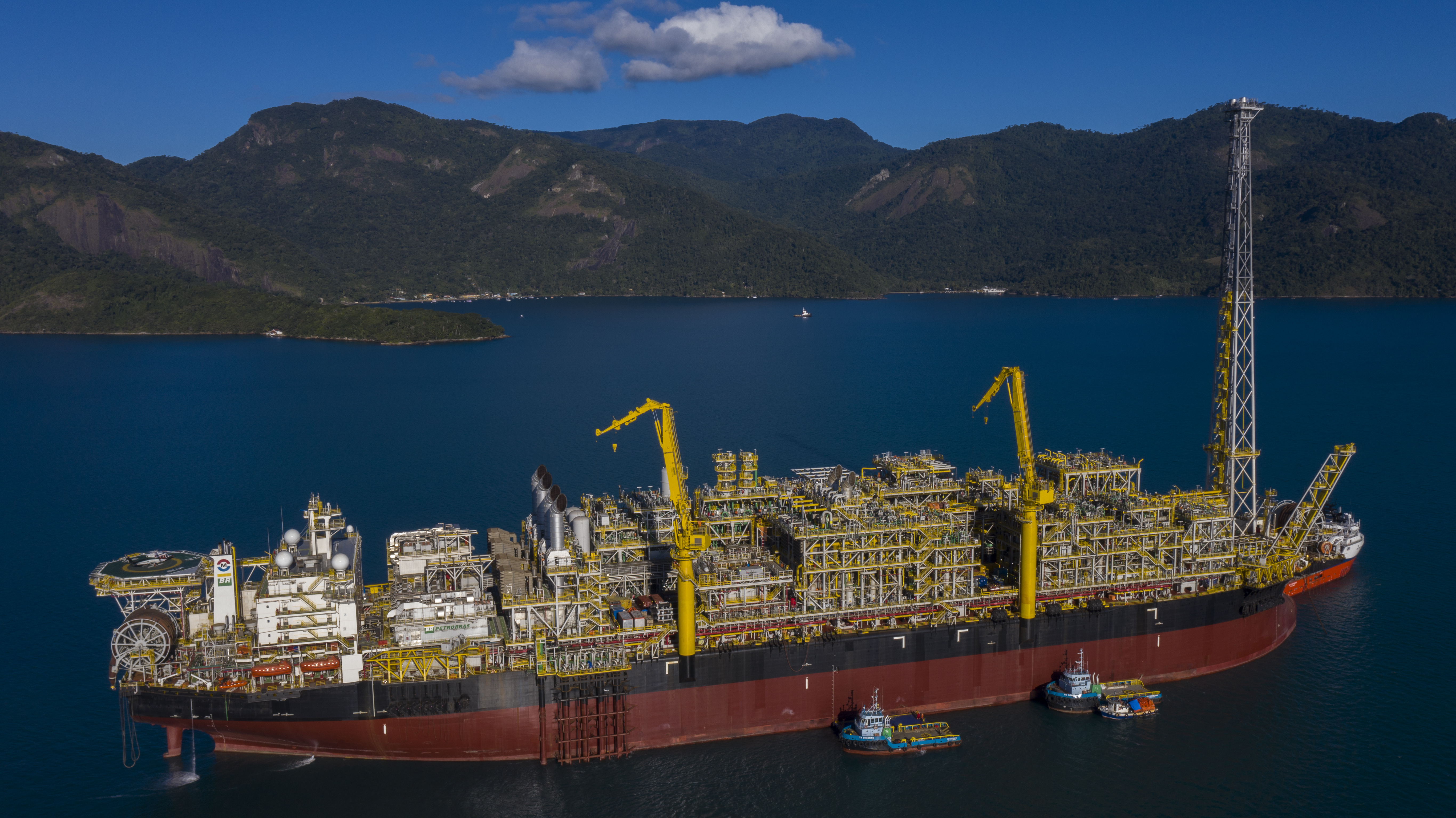
India's Shapoorji Pallonji Energy is appealing directly to the Brazilian government after state-run Petrobras canceled a tender for construction of an oil production platform.
A delegation for the offshore infrastructure company was in Rio de Janeiro and the capital Brasilia last week as it seeks to reverse Petrobras' decision, said a person familiar with the matter who asked not to be named discussing private information.
The move escalates disagreements between the companies, with India's embassy following the situation, the person said. The countries are part of the BRICS economic and political coalition, and Petrobras is seeking to develop closer ties with India.
Petrobras called off the tender to charter a floating production storage and offloading vessel (FPSO), claiming a change in economic viability, the firm's head of engineering, Renata Baruzzi, said in late February. The company is now weighing whether to reopen bidding for the FPSO while adopting the build-operate-transfer format, in which the contractor builds the vessel and operates it for years before the client takes it over, she added.
The decision to cancel the tender surprised the Indian platform builder, the sole bidder in a process started in August 2023. Shapoorji presented a new offer on March 16 to match Petrobras' last price in a bid for the Barracuda/Caratinga FPSO charter, the person said, adding that the firm is considering taking legal action to block a new tender if Petrobras calls off the deal.
Petrobras said in a statement that the tender was revoked in accordance with the law and that the result of an appeal will be announced soon. Brazil's mines and energy ministry referred questions on the matter to Petrobras.
Shapoorji is seeking a solution “that aligns with both Petrobras' strategic goals and Brazil's national interests,” the company said in an emailed statement. The project represents a significant investment commitment and will “enhance the economic and strategic ties between India and Brazil,” it added.

-
A New Samvat Wishlist: Inclusive Prosperity And Human Development

India has strengthened its economic foundations through infrastructure, digital access and enterprise. Its next growth chapter must deepen productivity, create better livelihoods and widen participation in prosperity.
-
Love, Sex Aur Dhokha: The Audacious Plot To Spy On Jensen Huang
A Taipei dinner, a Singapore chip buyer and a suspected Chinese asset: inside the alleged spy operation that got close to NVIDIA's Jensen Huang.
-
Ten Things I Learnt This Samvat
Patience can be a trap. Cheap stocks can stay cheap. Leverage can wipe you out. What did Samvat 2082 teach us? Niraj Shah writes on 10 lessons from the year gone by.
-
Talking Points This Week: Tech Nerves, FII Buying, And A Faraway Banking Shock
The global markets are not shining this Diwali. The exception in the large markets is, India.
-
Midterm Rally Lasted A Day. The Hard Reality Of A Divided US May Last Two Years | Opinion
Between a contested AI boom, a debt ceiling that arrives in 2027 and a president with every incentive to act alone, the next two years may prove more volatile than the first day's rally suggests.
-
Blue Wave Will Derail the AI Trade but Won't Dismantle the AI Era | Unhedged Position
The Democrats' sweep of the US Congress will see politics collide with economic forces both over the long and short term.
-
It's Time To Take The GST Council's Bet On Trust Global
Payment records can prove India's services exports, and clear, proportionate rules can bring foreign digital sellers into the tax net.
-
Opinion | India at 38: From Innovation Overperformer to Innovation Powerhouse
India now has 453 VC-backed deep science startups, 18 of them late-stage, after 117 percent growth since 2020. Laurus Labs, at USD 9.3 billion, is the most valuable deep science company in any middle-income economy outside China.
-
Navigating Energy Crossroads: S Jaishankar's Call For Diversified Supply Chains At G20 Ministerial Meeting
As geopolitical fault lines continue to test maritime trade routes and commodity flows, Jaishankar's message remains pertinent: true economic resilience requires open markets, protected transit lines, and a genuine commitment to multilateral cooperation rather than coercion.









