Sensex, Nifty Rise As Fears Of Global Banking Contagion Ebb
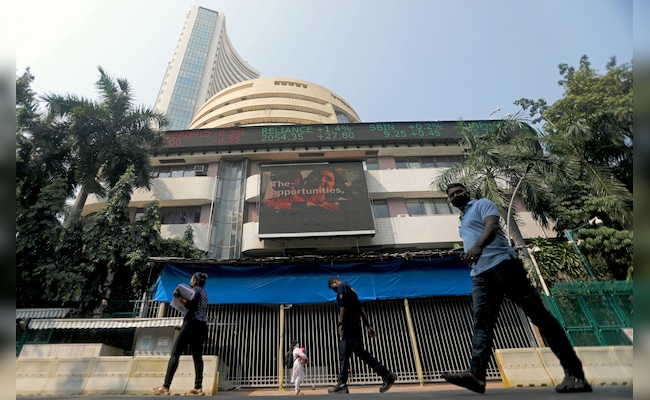
Stock indices edged up on Monday, snapping two days of losses, as global authorities took steps to contain the banking turmoil, helping dispel some of the contagion fears.
The Nifty 50 index closed 0.24% higher at 16,985.70, and the S&P BSE Sensex rose 0.22% to 57,653.86. The broader Asian equity indexes were largely subdued.
The benchmarks rose nearly 1% in intraday trade before trimming gains in a volatile session. The volatility index rose to an intraday high of 16.09 before closing at 15.45, a one-week high.
Five of the 13 major sectoral indexes advanced, with Nifty Pharma leading gains with a 1% increase.
Meanwhile, news of First Citizens BancShares agreeing to buy the collapsed Silicon Valley Bank, and the U.S. Federal Reserve and the European Central Bank saying they are keeping a close watch on the impact of banking stress lent an uneasy calm to the markets.
Domestically, a media report said that India's state-run lenders will submit a detailed scenario-mapped plan of various risks to the government within two weeks.
Financials and banks were little changed on Monday. Indian lenders are expected to remain resilient in the wake of the global turmoil, according to analysts.
"Expect some stability in Indian markets after swift action by regulators on banking crisis so far in the West," said Anita Gandhi, director at Arihant Capital Markets.
"The persistent selling by foreign portfolio investors (FPIs) is a dampener on sentiment, though," she added.
Since the failure of SVB on March 9, FPIs have offloaded Indian equities in ten out of the 11 sessions.
Among individual stocks, Reliance Industries rose over 1.5% after Kotak Institutional Equities called the stock a "compelling" buy.
Shares of Grasim gained nearly 2% after leasing 220 acres of land from Century Textiles for 2.55 billion rupees. The company plans to set up manufacturing facilities on the land.
(Except for the headline, this story has not been edited by NDTV staff and is published from a syndicated feed.)

-
A New Samvat Wishlist: Inclusive Prosperity And Human Development

India has strengthened its economic foundations through infrastructure, digital access and enterprise. Its next growth chapter must deepen productivity, create better livelihoods and widen participation in prosperity.
-
Love, Sex Aur Dhokha: The Audacious Plot To Spy On Jensen Huang
A Taipei dinner, a Singapore chip buyer and a suspected Chinese asset: inside the alleged spy operation that got close to NVIDIA's Jensen Huang.
-
Ten Things I Learnt This Samvat
Patience can be a trap. Cheap stocks can stay cheap. Leverage can wipe you out. What did Samvat 2082 teach us? Niraj Shah writes on 10 lessons from the year gone by.
-
Talking Points This Week: Tech Nerves, FII Buying, And A Faraway Banking Shock
The global markets are not shining this Diwali. The exception in the large markets is, India.
-
Midterm Rally Lasted A Day. The Hard Reality Of A Divided US May Last Two Years | Opinion
Between a contested AI boom, a debt ceiling that arrives in 2027 and a president with every incentive to act alone, the next two years may prove more volatile than the first day's rally suggests.
-
Blue Wave Will Derail the AI Trade but Won't Dismantle the AI Era | Unhedged Position
The Democrats' sweep of the US Congress will see politics collide with economic forces both over the long and short term.
-
It's Time To Take The GST Council's Bet On Trust Global
Payment records can prove India's services exports, and clear, proportionate rules can bring foreign digital sellers into the tax net.
-
Opinion | India at 38: From Innovation Overperformer to Innovation Powerhouse
India now has 453 VC-backed deep science startups, 18 of them late-stage, after 117 percent growth since 2020. Laurus Labs, at USD 9.3 billion, is the most valuable deep science company in any middle-income economy outside China.
-
Navigating Energy Crossroads: S Jaishankar's Call For Diversified Supply Chains At G20 Ministerial Meeting
As geopolitical fault lines continue to test maritime trade routes and commodity flows, Jaishankar's message remains pertinent: true economic resilience requires open markets, protected transit lines, and a genuine commitment to multilateral cooperation rather than coercion.









