Sensex Nosedives Over 600 Points As Selloff Worsens: 10 Points
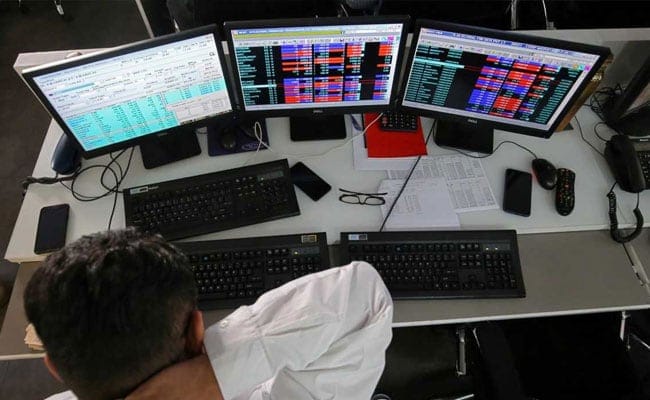
- Forty four out of 50 Nifty stocks traded with losses. Trading between 2.80 per cent and 5.31 per cent lower, Indian Oil, United Phosphorus Ltd, IndiaBulls Housing Finance, Maruti and Zee Entertainment Enterprises were the top five Nifty laggards.
- Heavyweights Reliance Industries, Maruti and Yes Bank contributed the most to the losses on the Sensex.
- All sectors traded in the red, led by private banks, IT, fast-moving consumer goods (FMCG) and realty stocks.
- Global stocks were sinking in a sea of red as the threat of a US government shutdown and of further hikes in US borrowing costs sent dismayed investors sailing for safer harbours. (Also Read: Rupee Loses 37 Paise Against Dollar Amid Foreign Fund Outflows)
- Analysts pointed at global economic concerns after the US central bank largely retained plans to increase interest rates despite mounting risks to growth.
- "Generally, we do see some profit booking towards the end of the year and this time, especially the last couple of days, we have seen Indian markets react to global news," said Anand James, Chief Market Strategist, Geojit Financial Services.
- According to Ritesh Ashar, chief strategy officer, KIFS Trade Capital, the weakness in domestic markets is expected to be intact. "We recommend traders to book profit at current levels and wait for further confirmation," he said.
- "We expect Nifty to be rangebound between 10,700 and 11,200 in the short term," Mr James said.
- Japan's Nikkei fell 1.5 per cent, and was down more than 6 per cent for the week so far, while Australian stocks slipped 1.3 per cent to a two-year trough. Chinese blue chips lost 1.6 per cent, in part after the United States accused Beijing of orchestrating the hacking of government agencies and companies around the world.
- In overnight trade, the S&P 500 was heading for its worst quarter since the dark days of late 2008, with a loss of 15 per cent so far. The Nasdaq has shed 19.5 per cent from its August peak, just shy of confirming a bear market. (With agency inputs)

-
A New Samvat Wishlist: Inclusive Prosperity And Human Development

India has strengthened its economic foundations through infrastructure, digital access and enterprise. Its next growth chapter must deepen productivity, create better livelihoods and widen participation in prosperity.
-
Love, Sex Aur Dhokha: The Audacious Plot To Spy On Jensen Huang
A Taipei dinner, a Singapore chip buyer and a suspected Chinese asset: inside the alleged spy operation that got close to NVIDIA's Jensen Huang.
-
Ten Things I Learnt This Samvat
Patience can be a trap. Cheap stocks can stay cheap. Leverage can wipe you out. What did Samvat 2082 teach us? Niraj Shah writes on 10 lessons from the year gone by.
-
Talking Points This Week: Tech Nerves, FII Buying, And A Faraway Banking Shock
The global markets are not shining this Diwali. The exception in the large markets is, India.
-
Midterm Rally Lasted A Day. The Hard Reality Of A Divided US May Last Two Years | Opinion
Between a contested AI boom, a debt ceiling that arrives in 2027 and a president with every incentive to act alone, the next two years may prove more volatile than the first day's rally suggests.
-
Blue Wave Will Derail the AI Trade but Won't Dismantle the AI Era | Unhedged Position
The Democrats' sweep of the US Congress will see politics collide with economic forces both over the long and short term.
-
It's Time To Take The GST Council's Bet On Trust Global
Payment records can prove India's services exports, and clear, proportionate rules can bring foreign digital sellers into the tax net.
-
Opinion | India at 38: From Innovation Overperformer to Innovation Powerhouse
India now has 453 VC-backed deep science startups, 18 of them late-stage, after 117 percent growth since 2020. Laurus Labs, at USD 9.3 billion, is the most valuable deep science company in any middle-income economy outside China.
-
Navigating Energy Crossroads: S Jaishankar's Call For Diversified Supply Chains At G20 Ministerial Meeting
As geopolitical fault lines continue to test maritime trade routes and commodity flows, Jaishankar's message remains pertinent: true economic resilience requires open markets, protected transit lines, and a genuine commitment to multilateral cooperation rather than coercion.









