In Peak IPO Frenzy, India Weighs New Rules - Take A Look
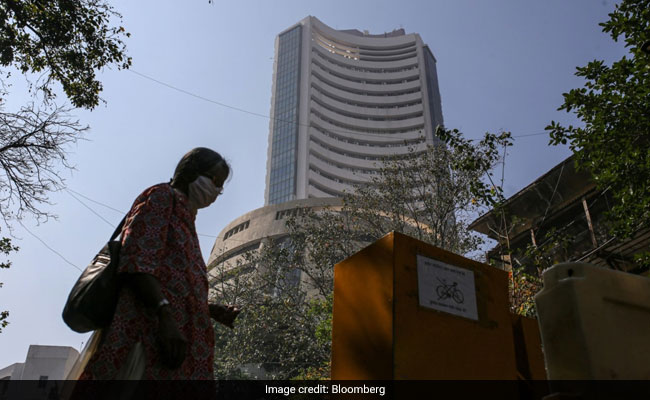
New Delhi: India's markets regulator proposed to tighten rules on how companies can spend cash raised through initial public offerings and how quickly big investors can exit, a move aimed at protecting smaller shareholders seeking to buy into a flurry of listings by new-age technology firms that is propelling the nation's equity markets to record highs.
The Securities and Exchange Board of India proposed to limit a maximum 35% of proceeds for acquisitions and unspecified strategic investments, according to a consultation paper published late Tuesday. It also proposed to lock in for longer so-called anchor investors to prevent a quick post-listing exit.
The proposals from the capital markets watchdog -- comments for which are sought by November 30 -- come as India is set for a record year for IPOs and follow the central bank's decision to impose limits on borrowers seeking to buy shares of a new listing. Paytm is due to debut this week following a $2.4 billion offering that was the country's biggest, while others like beauty startup Nykaa almost doubled on its first trading day.
These are some of the changes proposed by the regulator:
* As much as 35% of the IPO issue can be used for inorganic growth initiatives and general corporate purpose.
* Technology companies often need to raise funds for expanding into new markets, acquiring customers or other firms -- objectives that are often broadly lumped under the category of ‘Funding of Inorganic Growth' that create uncertainty for investors, the regulator said.
* For IPO of firms with no identifiable promoters, a share sale by significant shareholders will be capped at 50% of their pre-issue holding. Any investor holding more than 20% will be deemed a ‘significant shareholder.'
* Such shareholders will face a lock-in period of six months after the share sale. This may include venture capital funds, alternate investment funds, SEBI said.
* At least 50% of the anchor investors should be those who are willing to stay invested for at least 90 days. This compares with 30 days currently.
The proposals from Sebi follow the Reserve Bank of India's decision last month to cap lending for investments in new listings at 10 million rupees per borrower, effective April 1, 2022.

-
Where You Live Shapes How You Get To Work | The Reason Why

Two-wheelers are the most popular way to get to work in India, accounting for nearly 43% of workplace commutes.
-
High US Salaries, No Green Card Certainty: The Financial Calculation Facing Indian H-1B Families
The suspension of PERM processing at eight technology employers does not cancel existing H-1B visas. What it does is force a question many Indian families have been avoiding: is the US salary worth tying your career and family plans to one employer?
-
Unhedged Position: Can India See An Indonesia-Style Time Correction?
The Nifty is trading below levels it first clocked in 2024. Is there, then, as I have suggested in the headline, potential that the current time correction drags on painfully for the next three-five, even ten years?
-
Navigating Friction And Energy Realities: An Analysis Of Marco Rubio's October Visit To India
Occurring at a critical juncture marked by stalled trade negotiations and escalating geopolitical pressures over global energy supplies, the visit offers a profound window into modern US-India relations.
-
India Exports Capital. Why Not Export Trusteeship?
The big question, then, is whether India can build an institution that global borrowers, investors, banks, and lawyers can trust, even without an Indian connection.
-
France's Economy & Politics Are In Crisis | The Reason Why
Let's look at how the French economy and politics evolved under Nicolas Sarkozy, Franois Hollande and Emmanuel Macron.
-
You May Inherit The Business. You Must Earn Its Credibility.
Succession tests the founder's ability to share authority as much as it tests the next generation's readiness to assume it.
-
Signing Deals Is One Thing; Making Them Work Is Another | The Week In Whys
Sometimes, things don't turn out as planned. Indian companies have lost some bids to rivals, some projects won't produce until 2030.
-
FOMC Wall, PERM Suspension, Hospital Stocks | Talking Points This Week
A PERM suspension would directly affect green-card sponsorship rather than H-1B visas, so the near-term earnings impact could remain relatively limited. The key question is whether this marks a new phase in US scrutiny of Indian IT.
-
Everything, Everywhere, All At Once: Dalal Street's Week To Forget | Joining The Dots
Visa curbs, a Starlink spat and cancer drug caps: what connects this week's shocks for Indian markets









