After Worst Weekly Loss In 4 Months, Analysts Say Markets Could Be Heading Into Consolidation
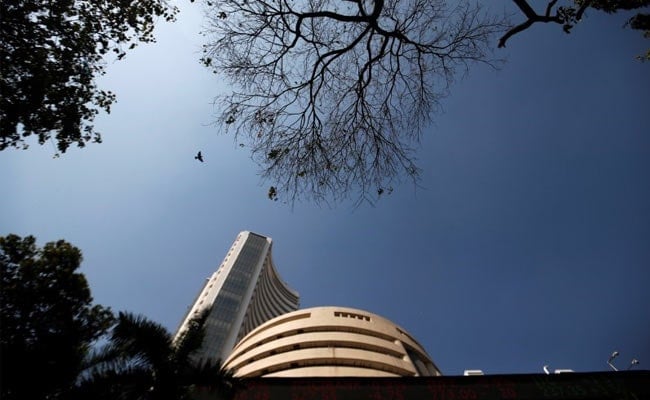
Domestic stock markets tumbled more than 2 per cent this week, following two straight weeks of gains, amid increasing COVID-19 cases around the world. Analysts say fading optimism on a fast recovery from the coronavirus pandemic and related restrictions, along with geopolitical tensions, hurt investor sentiment. A sharp selloff in banking and financial services shares weighed on benchmark indices S&P BSE Sensex and NSE Nifty 50. Globally, shares tumbled ahead of the release of US jobs data, as investors remained on the back foot to see if any sign of weakness in the world's largest economy triggers a larger selloff.
For the week ended September 4, the Sensex index shed 1,110.13 points - or 2.81 per cent - to end at 38,357.18, and the broader Nifty benchmark lost 313.75 points - or 2.69 per cent - to 11,333.85. That marked the worst week for both indices since May 8.
Axis Bank (down 10.24 per cent), ICICI Bank (8.47 per cent), Sun Pharma (8.03 per cent) and State Bank of India (7.72 per cent) were the worst hit among the 37 laggards in the Nifty basket of 50 shares.
Top Nifty Gainers Vs Losers
| Stock | Weekly Change |
|---|---|
| Axis Bank | -10.24% |
| ICICI Bank | -8.47% |
| Sun Pharma | -8.03% |
| SBI | -7.72% |
| IndusInd Bank | -7.07% |
| Titan | +2.46% |
| Zee Entertainment | +2.53% |
| TCS | +2.64% |
| Tata Motors | +3.36% |
| Bharti Infratel | +6.38% |
On the other hand, Bharti Infratel (up 6.38 per cent), Tata Motors (3.36 per cent) and TCS (2.64 per cent) were the top percentage gainers in Nifty.
The Nifty Bank - comprising stocks of 12 major lenders in the country - crashed 2.21 per cent on Friday, a day after the Supreme Court directed banks not to declare any loans that were standard as of end-August as non-performing until further orders. That took its weekly loss to as high as 6.17 per cent. Analysts say the next court hearing, due on September 10, will be watched closely for cues.
Meanwhile, official data released in the beginning of the week showed the country's economy shrank 23.9 per cent in the quarter ended June 30, marking its worst contraction on record.
Going forward, the domestic markets may move sideways tracking global cues, say analysts.
"Uncertainties await the markets in the coming week, be it global economic data or border tensions between India and China. Indian markets have been in sync with global counterparts and will have an impact," Vinod Nair, head of research at Geojit Financial Services, told NDTV.
Data released on Friday showed employment growth in the US slowed further in August, while permanent job losses increased, raising doubts on the sustainability of recovery from the coronavirus pandemic-related disruption.
"Markets seem to have lost momentum... and could be heading into a round of consolidation," he said.
The Sensex and Nifty have already rallied more than 50 per cent since a coronavirus-triggered slump in global markets in March.
"Markets are facing headwinds from both domestic and global front, and indications are pointing towards a further slide ahead. The next major support exists at 11,050 (Nifty) and stiff resistance around 11,600 in case of any rebound," said Ajit Mishra, VP-research, Religare Broking.
"Since the broader indices are trading largely in tandem with the benchmark, we may see further profit-taking in mid- and small-cap segments as well."

-
Where You Live Shapes How You Get To Work | The Reason Why

Two-wheelers are the most popular way to get to work in India, accounting for nearly 43% of workplace commutes.
-
High US Salaries, No Green Card Certainty: The Financial Calculation Facing Indian H-1B Families
The suspension of PERM processing at eight technology employers does not cancel existing H-1B visas. What it does is force a question many Indian families have been avoiding: is the US salary worth tying your career and family plans to one employer?
-
Unhedged Position: Can India See An Indonesia-Style Time Correction?
The Nifty is trading below levels it first clocked in 2024. Is there, then, as I have suggested in the headline, potential that the current time correction drags on painfully for the next three-five, even ten years?
-
Navigating Friction And Energy Realities: An Analysis Of Marco Rubio's October Visit To India
Occurring at a critical juncture marked by stalled trade negotiations and escalating geopolitical pressures over global energy supplies, the visit offers a profound window into modern US-India relations.
-
India Exports Capital. Why Not Export Trusteeship?
The big question, then, is whether India can build an institution that global borrowers, investors, banks, and lawyers can trust, even without an Indian connection.
-
France's Economy & Politics Are In Crisis | The Reason Why
Let's look at how the French economy and politics evolved under Nicolas Sarkozy, Franois Hollande and Emmanuel Macron.
-
You May Inherit The Business. You Must Earn Its Credibility.
Succession tests the founder's ability to share authority as much as it tests the next generation's readiness to assume it.
-
Signing Deals Is One Thing; Making Them Work Is Another | The Week In Whys
Sometimes, things don't turn out as planned. Indian companies have lost some bids to rivals, some projects won't produce until 2030.
-
FOMC Wall, PERM Suspension, Hospital Stocks | Talking Points This Week
A PERM suspension would directly affect green-card sponsorship rather than H-1B visas, so the near-term earnings impact could remain relatively limited. The key question is whether this marks a new phase in US scrutiny of Indian IT.
-
Everything, Everywhere, All At Once: Dalal Street's Week To Forget | Joining The Dots
Visa curbs, a Starlink spat and cancer drug caps: what connects this week's shocks for Indian markets









