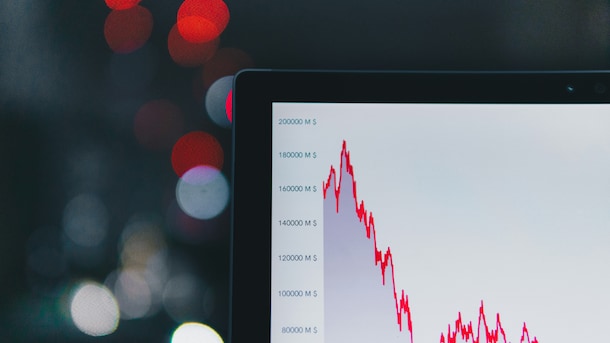
Sensex, Nifty Likely To Have A Negative Start
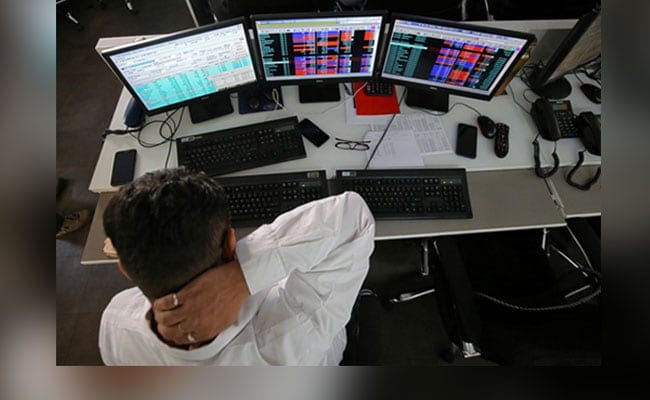
The domestic stock markets are likely to open mildly in the red, following weak global cues as coronavirus cases continue to surge across the world. Trends on SGX Nifty indicate a negative opening for the index in India with a 46-point loss. At 07:30 am, the Nifty futures were trading at 10,765, lower by 46 points or 0.4 per cent, on the Singapore Stock Exchange.
Asian shares were showing a mixed picture on July 14 after a volatile day in US equity markets amid persistent concerns over the record number of new coronavirus cases worldwide and signs of an economic rebound.
Australian S&P/ASX 200 futures lost 0.76 per cent in early trading, Japan's Nikkei 225 futures added 0.22 per cent and Hong Kong's Hang Seng index futures rose 0.39 per cent. E-mini futures for the S&P 500 rose 0.21 per cent.
The S&P 500 and Nasdaq ended lower on July 13, pulled down by Amazon, Microsoft and other big-name leaders of Wall Street's recent rally.
The Dow Jones rose 0.04 per cent, while the S&P 500 SPX lost 0.94 per cent and Nasdaq Composite dropped 2.13 per cent.
Meanwhile, oil prices slipped about 1 per cent on July 13 after global coronavirus cases rose by a record daily amount, fanning fears of renewed government lockdown and on growing US and European tension with China.
Brent futures fell 52 cents, or 1.2 per cent, to settle at $42.72 a barrel, while US West Texas Intermediate (WTI) crude lost 45 cents, or 1.1 per cent, to settle at $40.10.
Retail inflation for June worsened to 6.09 per cent due to a spike in the prices of certain food items, government data on July 13 showed. The Consumer Price Index (CPI) data was last released in March when it was at 5.84 per cent. The government had not released the CPI data for April and May, citing insufficient data collection following the outbreak of coronavirus.
Food retail inflation for the month increased by 7.87 per cent, according to the data released by the Ministry of Statistics Programme Implementation on Monday evening.
The S&P BSE Sensex and NSE Nifty 50 indexes had ended on a positive note on Monday, led by gains in Reliance Industries, Infosys, Hindustan Unilever, Bharti Airtel, ITC and HCL Technologies. The Sensex rose 99 points to close at 36,694 and Nifty reclaimed 10,800 levels to close at 10,815, up 47 points.

-
Talking Points This Week: Tech Nerves, FII Buying, And A Faraway Banking Shock

The global markets are not shining this Diwali. The exception in the large markets is, India.
-
Midterm Rally Lasted A Day. The Hard Reality Of A Divided US May Last Two Years | Opinion
Between a contested AI boom, a debt ceiling that arrives in 2027 and a president with every incentive to act alone, the next two years may prove more volatile than the first day's rally suggests.
-
Blue Wave Will Derail the AI Trade but Won't Dismantle the AI Era | Unhedged Position
The Democrats' sweep of the US Congress will see politics collide with economic forces both over the long and short term.
-
It's Time To Take The GST Council's Bet On Trust Global
Payment records can prove India's services exports, and clear, proportionate rules can bring foreign digital sellers into the tax net.
-
Opinion | India at 38: From Innovation Overperformer to Innovation Powerhouse
India now has 453 VC-backed deep science startups, 18 of them late-stage, after 117 percent growth since 2020. Laurus Labs, at USD 9.3 billion, is the most valuable deep science company in any middle-income economy outside China.
-
Navigating Energy Crossroads: S Jaishankar's Call For Diversified Supply Chains At G20 Ministerial Meeting
As geopolitical fault lines continue to test maritime trade routes and commodity flows, Jaishankar's message remains pertinent: true economic resilience requires open markets, protected transit lines, and a genuine commitment to multilateral cooperation rather than coercion.
-
Indians Are Travelling, But Not Every Journey Is A Holiday | The Week In Whys
Pilgrims, patients and working women are the real travellers, and the system hasn't quite caught up with them.
-
Getting To Work Costs Women More | The Reason Why
It is not just about women paying more than men. It is about women paying much more in cities than in villages.
-
AI Bias In Investing Cannot Be Eliminated, But It Can Be Governed
Framing is a particularly important example as identical financial information presented in terms of gains rather than losses can lead an LLM to reach a different assessment.