Boost From Crop Insurance Scheme Comes At A Risk For Insurers
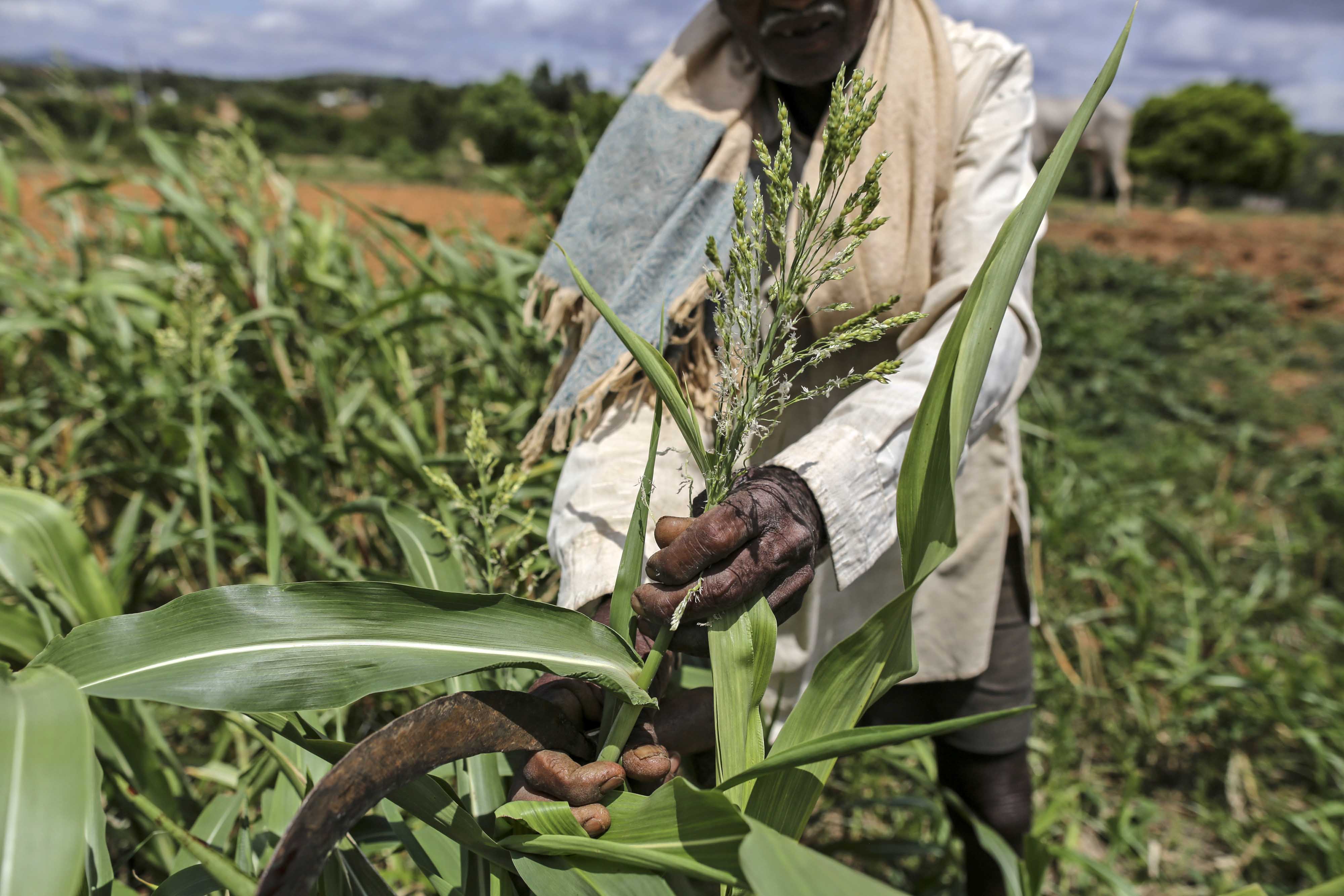
Outstanding premium and claims of insurers have gone up over the past year in a first sign of risk from Prime Minister Narendra Modi's crop insurance scheme.
ICICI Lombard General Insurance Co. Ltd.'s premium due from the government for crop and weather plans rose five-fold to nearly Rs 1,800 crore in the year to March, according to the draft prospectus the private insurer filed for its initial public offering. And it's not alone.
The increase is driven by “a dramatic jump in the crop portfolio” of insurers as business swelled on a push from the Pradhan Mantri Fasal Bima Yojana scheme, Shashwat Sharma, head-insurance at KPMG, told BloombergQuint. This leaves a large portion of the industry exposed to risk from the government, he said.
The scheme was launched in January last year to bring more farmers under insurance cover as half of India's cultivated land is watered by rains. An excess or deficient monsoon invariably hurts production, leaving small and marginal farmers under debt.
Under the scheme, insurers, picked through bidding, get 2 percent of the actuarial premium rate for kharif (monsoon), 1.5 percent for rabi (winter) and 5 percent for horticulture crops from farmers. The rest is subsidy, equally borne by state and central governments. The government has to pay its share at the beginning of the crop season. This payment is invariably delayed and results in late disbursal of claims.
“We cannot disburse claims until we get the premium subsidy, and a lot of work needs to go into speeding up that process,” said Sanjay Datta, chief actuary at ICICI Lombard. The subsidy disbursal is pending because the process is slow and yield assessment has been delayed, he said. A fifth of ICICI Lombard's total business comes from crop insurance now, Sharma added.
Outstanding crop claims for ICICI Lombard, or the amount payable to policyholders, nearly tripled to Rs 2,239 crore in the year ended March, its prospectus said.
While the comparable number is not available for state-run crop insurer Agriculture Insurance Company, its reserves or provisions for crop claims rose 168 percent to Rs 3,988 crore during the period, according to data on the company's website.

Other general insurers including TATA AIG, Bajaj Allianz and HDFC Ergo's outstanding premium also rose as of June end compared to a year ago, according to disclosures made to the insurance regulator.
While this includes premium from all businesses, the spike in outstanding dues is largely driven by crop insurance, according to Joydeep Roy, partner and leader in insurance and allied businesses at PwC India. Nidhesh Jain, head-insurance at financial services company Investec, agreed.
Outstanding crop claims also rose for these private insurers. While HDFC Ergo gets more than 34 percent of its business from crop covers, Bajaj Allianz gets 19 percent and TATA AIG 10 percent.
The companies didn't respond to BloombergQuint's emailed queries regarding the spike in pending premium and claims. Emails to the ministry of agriculture and farmers welfare department over delayed payments remained unanswered.


Outstanding Dues A Risk To GIC Re
The pending dues of insurers have added to the risk for the country's only state-run reinsurer General Insurance Corporation of India. Crop reinsurance contributes nearly a third of its total premium collection, according to its draft prospectus.
“Reinsurance business has doubled over the past year, and most of it is driven by crop covers. GIC Re will be affected much more if the delays in paying crop premium persist,” said KPMG's Sharma.
GIC Re's consolidated dues from insurers and reinsurers rose nearly threefold in the year to March to Rs 10,891 crore, according to the state-owned company's draft prospectus. The risk from crop underwriting losses has the potential to exceed its risk appetite, GIC Re said in the document.
The reinsurer's crop premium collection depends on how fast insurers are paid. “We pay the premium as and when it is disbursed to us by the government,” said ICICI Lombard's Datta.
BloombergQuint's email queries to GIC didn't elicit a response.
.jpg)
Yet, the outstanding dues do not show up in the profit and loss accounts. “That's because insurance companies will continue to show this as outstanding premium receivable,” said Jain of Investec.
Loss Of Investment Income
Insurers will lose out on investment income on these dues though. They invest their cash in everything from stocks to bonds and other assets. Rising outstanding dues do not give them an opportunity to earn returns on it. “That will definitely impact the cash flow,” said PwC's Roy.
To be sure, the outstanding premium has the government's implicit guarantee. “If you believe in the fiscal solvency of the government and its intention, then the scenario of money going bad does not happen,” said Roy.
Yet, if the government does not pay, however unlikely it may be, both the insurer and the reinsurer will be affected, he said. In that case, the insurer is liable to pay the claims from its reserves, according to the norms of Prime Minister's crop insurance scheme.
(Updates an earlier version to attribute source of disclosures)

-
Navigating Energy Crossroads: S Jaishankar's Call For Diversified Supply Chains At G20 Ministerial Meeting

As geopolitical fault lines continue to test maritime trade routes and commodity flows, Jaishankar's message remains pertinent: true economic resilience requires open markets, protected transit lines, and a genuine commitment to multilateral cooperation rather than coercion.
-
Indians Are Travelling, But Not Every Journey Is A Holiday | The Week In Whys
Pilgrims, patients and working women are the real travellers, and the system hasn't quite caught up with them.
-
Getting To Work Costs Women More | The Reason Why
It is not just about women paying more than men. It is about women paying much more in cities than in villages.
-
AI Bias In Investing Cannot Be Eliminated, But It Can Be Governed
Framing is a particularly important example as identical financial information presented in terms of gains rather than losses can lead an LLM to reach a different assessment.
-
Joining The Dots | Dark Skies, Steady Diya: Why Hope Holds This Diwali
With war, a weak rupee and foreign outflows weighing on sentiment, policymakers at the NDTV World Summit and market veterans at NDTV Profit Ignite: Diwali Edition offered the same advice: stay invested and filter out the noise.
-
The Curious Case of Equitas Small Finance Bank And A CEO Who Quit For Stock
PN Vasudevan believes persistent investor concerns over a perceived conflict of interest had become a governance overhang on Equitas Small Finance Bank's stock, even as the lender improved profitability and asset quality.
-
Talking Points This Week: AI Cash Burn, A Tiger Comeback And An India That Still Finds Its Own Path
India is not immune to higher oil or tighter global liquidity, yet its earnings base is broader, its domestic policy levers are still available.
-
Foreign Investors Own Half Of HDFC Bank and ICICI Bank. An LTCG Cut Could Matter Most Here
Foreign portfolio investors have US$115 billion parked in HDFC Bank, ICICI Bank. If the government cuts long-term capital gains tax, Jefferies says returning foreign money could land here first.
-
'Never Seen This Level Of Negativity': Sandeep Tandon Says The Next Rally May Be Closer Than You Think
Veteran investor Sandeep Tandon says foreign selling is easing, large-caps are due a comeback and mid-caps are crowded, while he turns positive on gold, power and pharma this Diwali.
-
Indians Stay With Family, Not In Hotels | The Reason Why
India still lacks enough clean, reliable and affordable hotels for budget-conscious travellers.










