Rising Raw Material Costs Worry Steelmakers As Mines Shut Down
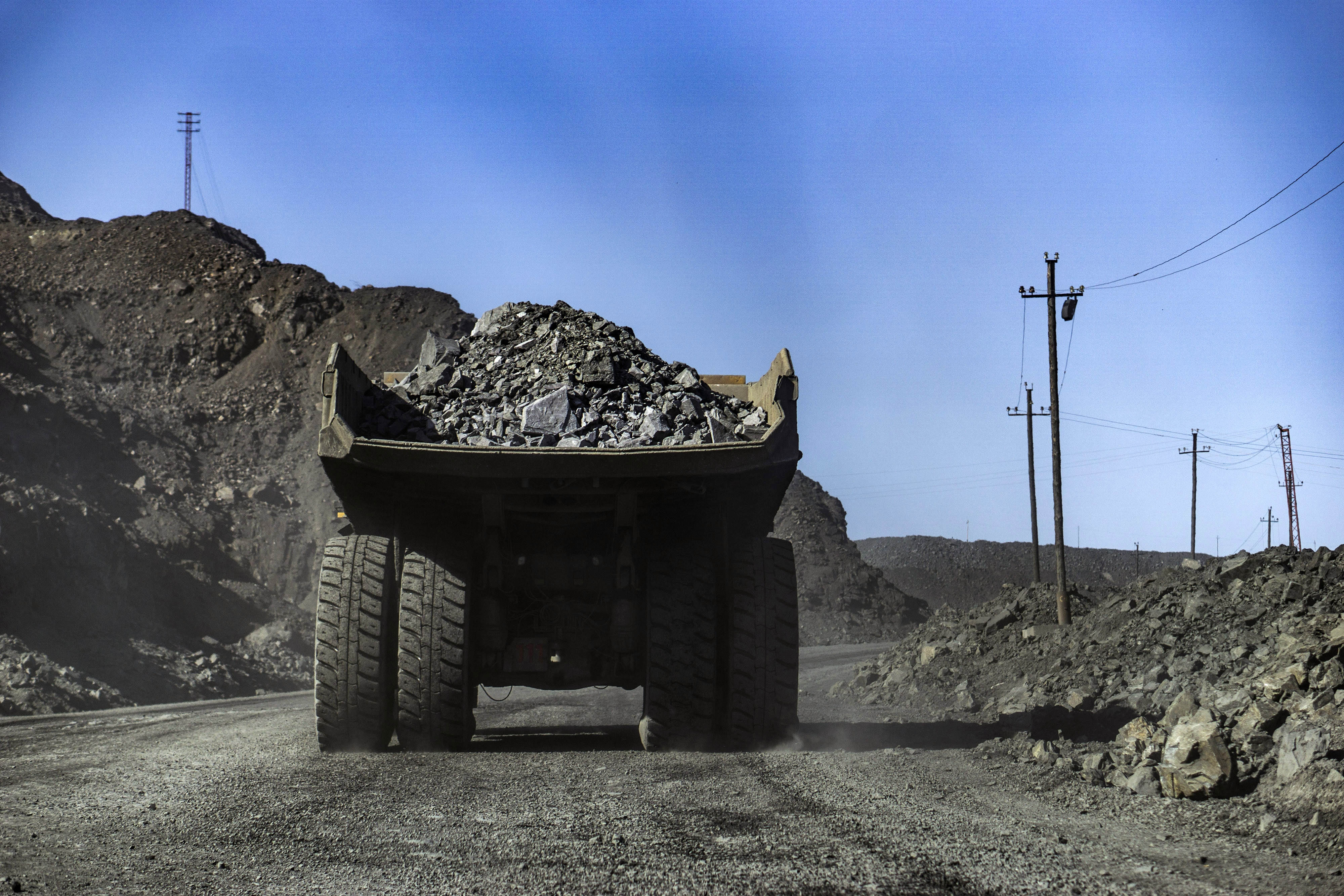
Rising cost of raw materials and a shortage of iron ore continue to worry steelmakers, after a recent Supreme Court order on illegal mining activity led to the closure of several mines.
That's the word from NA Ansari, chief executive officer of Jindal Steel & Power Ltd. Most mine owners have had to pay substantial amounts of compensation after a recent apex court judgement on illegal mining activity in Odisha. This has resulted in the shutdown of a number of mines, creating a supply and demand gap that's hurting steelmakers, Ansari told BloombergQuint in an interview.
The apex court, in August, had directed that a 100 percent penalty be levied on companies which have illegally extracted iron and manganese ore in Odisha since 2000-01, newswire PTI said in a report. The penalty is applicable on the total value of illegal mining extracts by each company over the years.
“We are hoping that going forward these mines could open up and the gap between demand and supply comes down,” Ansari said.
That would lead to some stabilisation in iron ore prices even as the industry contends with higher prices of coking coal – another key raw material for steel. “If it [coking coal price] continues at this level, steelmakers should be able to manage as long as iron ore prices come down,” Ansari said when asked if he expects further pressure on input prices.
Bidding For Stressed Assets?
Even as larger peers such as JSW Steel Ltd. and Tata Steel Ltd. are eyeing stressed assets in the steel sector, JSPL is currently focusing on improving internal performances “rather than going for acquisitions”.

-
Opinion | India at 38: From Innovation Overperformer to Innovation Powerhouse

India now has 453 VC-backed deep science startups, 18 of them late-stage, after 117 percent growth since 2020. Laurus Labs, at USD 9.3 billion, is the most valuable deep science company in any middle-income economy outside China.
-
Navigating Energy Crossroads: S Jaishankar's Call For Diversified Supply Chains At G20 Ministerial Meeting
As geopolitical fault lines continue to test maritime trade routes and commodity flows, Jaishankar's message remains pertinent: true economic resilience requires open markets, protected transit lines, and a genuine commitment to multilateral cooperation rather than coercion.
-
Indians Are Travelling, But Not Every Journey Is A Holiday | The Week In Whys
Pilgrims, patients and working women are the real travellers, and the system hasn't quite caught up with them.
-
Getting To Work Costs Women More | The Reason Why
It is not just about women paying more than men. It is about women paying much more in cities than in villages.
-
AI Bias In Investing Cannot Be Eliminated, But It Can Be Governed
Framing is a particularly important example as identical financial information presented in terms of gains rather than losses can lead an LLM to reach a different assessment.
-
Joining The Dots | Dark Skies, Steady Diya: Why Hope Holds This Diwali
With war, a weak rupee and foreign outflows weighing on sentiment, policymakers at the NDTV World Summit and market veterans at NDTV Profit Ignite: Diwali Edition offered the same advice: stay invested and filter out the noise.
-
The Curious Case of Equitas Small Finance Bank And A CEO Who Quit For Stock
PN Vasudevan believes persistent investor concerns over a perceived conflict of interest had become a governance overhang on Equitas Small Finance Bank's stock, even as the lender improved profitability and asset quality.
-
Talking Points This Week: AI Cash Burn, A Tiger Comeback And An India That Still Finds Its Own Path
India is not immune to higher oil or tighter global liquidity, yet its earnings base is broader, its domestic policy levers are still available.
-
Foreign Investors Own Half Of HDFC Bank and ICICI Bank. An LTCG Cut Could Matter Most Here
Foreign portfolio investors have US$115 billion parked in HDFC Bank, ICICI Bank. If the government cuts long-term capital gains tax, Jefferies says returning foreign money could land here first.










