RERA Set To Empower Homebuyers
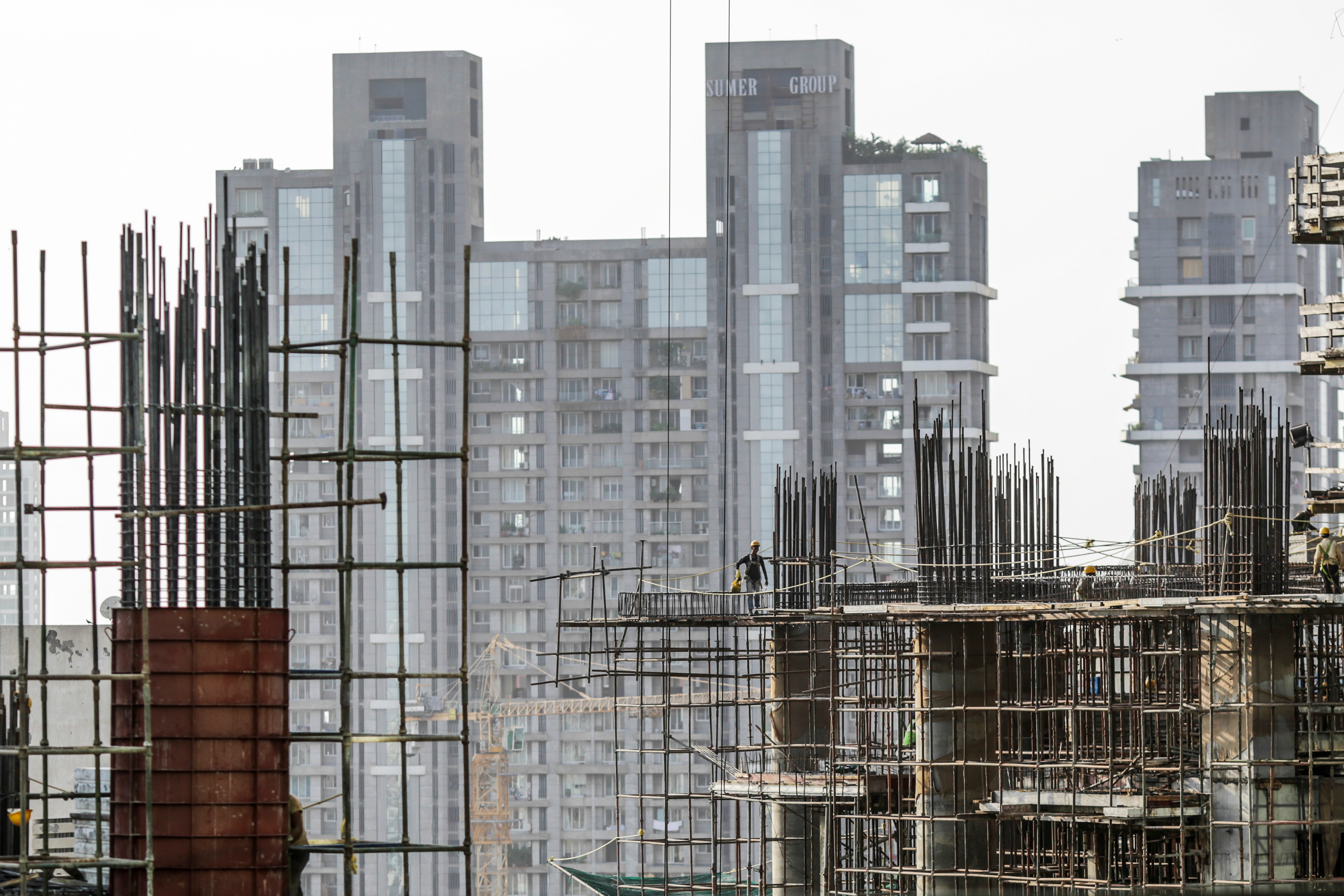
“We have been discussing about some regulation in real estate for the last 11 years because all the buyers across the country are not getting adequate redressal system as per the previous arrangement,” said Minister of Urban Development and Housing, Venkaiah Naidu initiating the debate on the Real Estate (Regulation and Development) Bill, 2016 in the Lok Sabha, in May 2016.
One year later the Act— popularly known as RERA—has finally come into effect, and experts say it will help consumers breathe easy and bring back confidence in the sector. It is also expected to ensure timely completion of the project.
No more will unscrupulous smaller builders or even larger organised developers be able to take buyers for a ride.Anuj Puri, Chairman, JLL (Residential)
It will not only help revive end-user sentiment but help open up the Indian housing sector to foreign investments, he added.
Project Completion
A builder has to set aside 70 percent of the funds received from the sale of a particular project in an escrow account which can be used only for that construction site, under RERA.
This rule will ensure timely delivery and also help avoid the possibility of the developer defaulting on the project said Gulam Zia, executive director - advisory, retail, and hospitality, at Knight Frank India.
“The biggest concern that a home buyer always had was delay in getting possession, which will now be taken care of,” he added.
Builders will no longer be able to collect funds for one project and invest in another, a practice said to be followed by many developers. The law mandates the builder to declare details of the project, including cost, or lien on the project, land clearances, status, and so on.
“This will increase the confidence of home buyers and ensure if there is any wrongdoing by the developer, there will be an addressal mechanism through RERA court or consumer forum,” said Sanjay Dutt, chief executive officer of India operations and private funds, Ascendas Singbridge.
Pay Only For The Apartment
The prevalent practice of builders charging on super built-up area, including the terrace and common spaces, will also have to stop, with the law making it clear that prices have to be based only on the carpet area of the apartment (floor space within the walls).
“This translates to actual usable area - and not the far more ambiguous built-up area basis as was the norm before,” said Puri.
Sticking To The Plan
Builders are also barred from changing the development plan mid-way through a project, without the consent of the homebuyers. In other words amenities promised by the builder at time of sale, have to be ready at the time of possession.
Equal Footing
The most important safeguard according to Gulam Zia is the new rule of agreement which lays down clear guidelines for any change in the delivery timeline. Earlier in case a buyer defaulted on an installment the penalty was at least 24 percent, whereas the developer paid hardly 8-9 percent interest if there was a delay in completing the project, he added.
Those contracts (created by developers) were absolutely one sided and buyer had no alternative but to sign on the dotted line without discussing or debating clauses. But now a model code of sale has been put in place.Gulam Zia, Executive Director - Advisory, Retail, and Hospitality, Knight Frank India.

-
Why Amazon And Flipkart Are Struggling To Beat Meesho In India's Smaller Cities

With 274 million users and lowest-cost logistics, Meesho is defending its value commerce crown against giants like Amazon and Flipkart.
-
High US Salaries, No Green Card Certainty: The Financial Calculation Facing Indian H-1B Families
The suspension of PERM processing at eight technology employers does not cancel existing H-1B visas. What it does is force a question many Indian families have been avoiding: is the US salary worth tying your career and family plans to one employer?
-
Swiggy vs Eternal: Food Delivery's Two Rivals Are No Longer In The Same Race
Eternal is building a private AI assistant, dark.ai. Swiggy is still working out how to make Instamart pay, with an operating loss of Rs 895 crore in the July-September quarter while Blinkit stayed profitable.
-
Where You Live Shapes How You Get To Work | The Reason Why
Two-wheelers are the most popular way to get to work in India, accounting for nearly 43% of workplace commutes.
-
Unhedged Position: Can India See An Indonesia-Style Time Correction?
The Nifty is trading below levels it first clocked in 2024. Is there, then, as I have suggested in the headline, potential that the current time correction drags on painfully for the next three-five, even ten years?
-
Navigating Friction And Energy Realities: An Analysis Of Marco Rubio's October Visit To India
Occurring at a critical juncture marked by stalled trade negotiations and escalating geopolitical pressures over global energy supplies, the visit offers a profound window into modern US-India relations.
-
India Exports Capital. Why Not Export Trusteeship?
The big question, then, is whether India can build an institution that global borrowers, investors, banks, and lawyers can trust, even without an Indian connection.
-
France's Economy & Politics Are In Crisis | The Reason Why
Let's look at how the French economy and politics evolved under Nicolas Sarkozy, Franois Hollande and Emmanuel Macron.
-
You May Inherit The Business. You Must Earn Its Credibility.
Succession tests the founder's ability to share authority as much as it tests the next generation's readiness to assume it.
-
Signing Deals Is One Thing; Making Them Work Is Another | The Week In Whys
Sometimes, things don't turn out as planned. Indian companies have lost some bids to rivals, some projects won't produce until 2030.










