Renault Joins Maruti Suzuki, Tata Motors In Shunning Diesel Cars In India
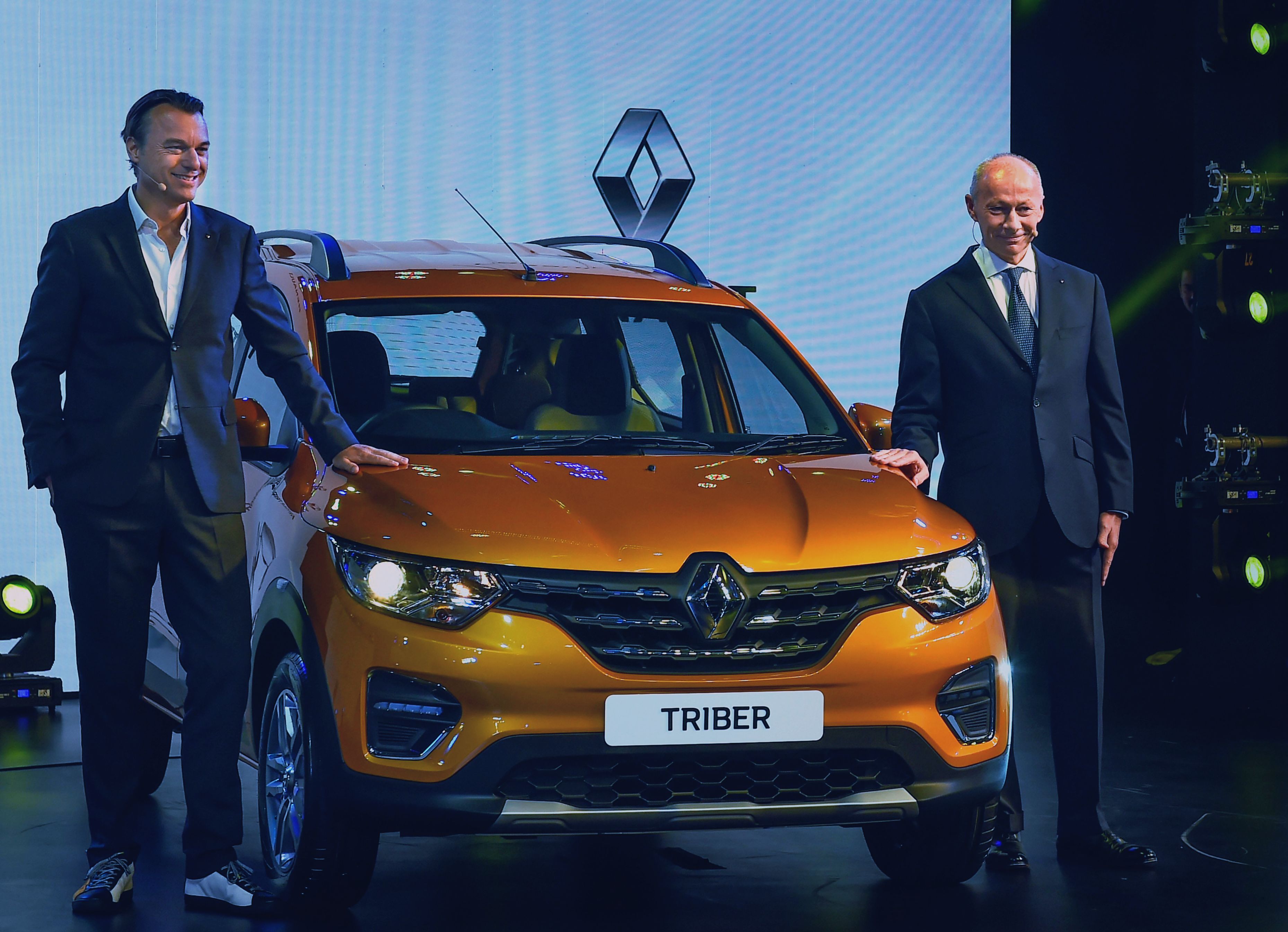
Renault SA plans to stop selling diesel cars in India once stricter Bharat Stage-VI emission norms kick in from April 2020, months after peers Maruti Suzuki India Ltd. and Tata Motors Ltd. announced similar plans citing unviable production costs.
“There is a clear regulatory approach that there won't be diesel in the future period,” Renault Group Chief Executive Thierry Bollore told reporters on the sidelines of the global launch of its minivan, Renault Triber, in Delhi. “As a consequence, we have decided to limit the development of diesel globally.”
Automakers are cutting back on diesel car plans as deregulation of the fuel narrowed the gap with the prices of petrol. The stricter emission standards for cleaner air in Indian cities, some of which have the world's most toxic air, will make diesel-powered vehicles costlier and less lucrative for buyers. Maruti Suzuki has said it will stop making diesel cars by April next year, while Tata Motors said low demand for such variants doesn't justify high development costs.
“I think this is the strategy that we are going to follow,” Bollore said, when asked it it will join Maruti Suzuki by completely stopping diesel vehicles. The Renault Triber won't come with a diesel variant, he said.
Bollore, who took charge after Carlos Ghosn was arrested last year, said while the phasing out diesel vehicles will take time, Renault is selling fewer of these around the world. “All regulations are designed to push the car industry towards EV (electric vehicles) or very refined powertrains…hydrogen or this type of clean mobility.”
Push For Electric Vehicles
Renault is already working on electric vehicles for the Indian market. “We're heavily working on the products and will come back soon with the announcement,” Fabrice Cambolive, senior vice-president and chairman of Africa-Middle East-India Region at the automaker, told BloombergQuint in an interview. He said Renault will design an electric vehicle for the Indian market within five years.
Cambolive said Renault—which currently has 2.5 percent market share in India—aims to introduce one vehicle every year. “The strategy is also to slowly enter new segments in the country.”
Electric vehicles, according to Bollore, will play an important part in Renault's target to double annual sales to 2 lakh units by 2022.
Watch the interview with Fabrice Cambolive here:

-
Navigating Energy Crossroads: S Jaishankar's Call For Diversified Supply Chains At G20 Ministerial Meeting

As geopolitical fault lines continue to test maritime trade routes and commodity flows, Jaishankar's message remains pertinent: true economic resilience requires open markets, protected transit lines, and a genuine commitment to multilateral cooperation rather than coercion.
-
Indians Are Travelling, But Not Every Journey Is A Holiday | The Week In Whys
Pilgrims, patients and working women are the real travellers, and the system hasn't quite caught up with them.
-
Getting To Work Costs Women More | The Reason Why
It is not just about women paying more than men. It is about women paying much more in cities than in villages.
-
AI Bias In Investing Cannot Be Eliminated, But It Can Be Governed
Framing is a particularly important example as identical financial information presented in terms of gains rather than losses can lead an LLM to reach a different assessment.
-
Joining The Dots | Dark Skies, Steady Diya: Why Hope Holds This Diwali
With war, a weak rupee and foreign outflows weighing on sentiment, policymakers at the NDTV World Summit and market veterans at NDTV Profit Ignite: Diwali Edition offered the same advice: stay invested and filter out the noise.
-
The Curious Case of Equitas Small Finance Bank And A CEO Who Quit For Stock
PN Vasudevan believes persistent investor concerns over a perceived conflict of interest had become a governance overhang on Equitas Small Finance Bank's stock, even as the lender improved profitability and asset quality.
-
Talking Points This Week: AI Cash Burn, A Tiger Comeback And An India That Still Finds Its Own Path
India is not immune to higher oil or tighter global liquidity, yet its earnings base is broader, its domestic policy levers are still available.
-
Foreign Investors Own Half Of HDFC Bank and ICICI Bank. An LTCG Cut Could Matter Most Here
Foreign portfolio investors have US$115 billion parked in HDFC Bank, ICICI Bank. If the government cuts long-term capital gains tax, Jefferies says returning foreign money could land here first.
-
'Never Seen This Level Of Negativity': Sandeep Tandon Says The Next Rally May Be Closer Than You Think
Veteran investor Sandeep Tandon says foreign selling is easing, large-caps are due a comeback and mid-caps are crowded, while he turns positive on gold, power and pharma this Diwali.










