Reliance Retail Bags Sephora India Rights
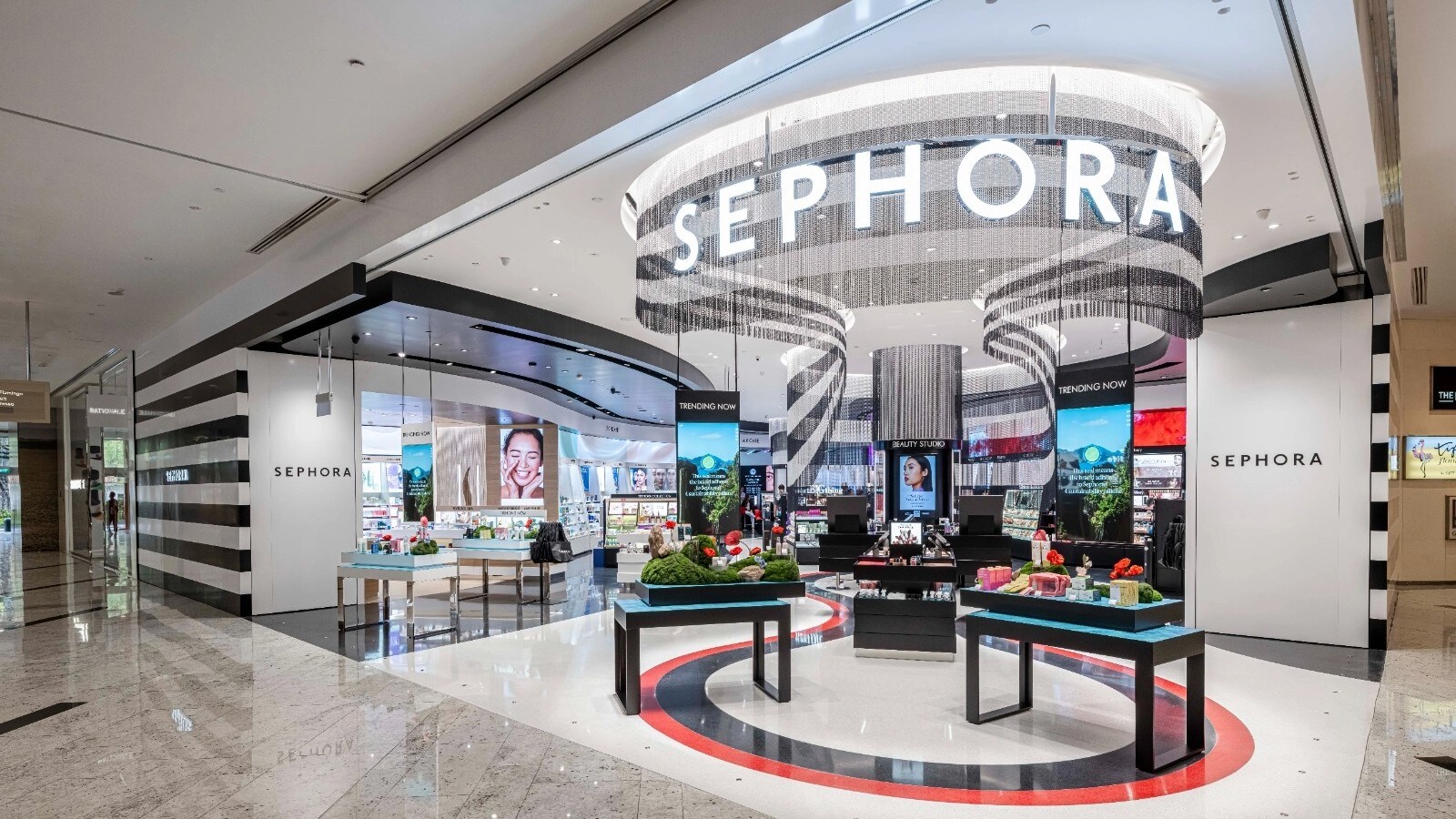
The beauty arm of Reliance Retail Ventures Ltd. has bagged the rights of LVMH-owned beauty chain Sephora as the country's largest retailer sets its sights on the beauty space to take on the likes of Nykaa and Tata Group.
The deal will essentially see Sephora operations transferred from Arvind Fashions Ltd.—its current master franchise rights holder for India—to Reliance Beauty and Personal Care Ltd., Arvind Fashions said in a regulatory filing on Friday.
Arvind Fashions has sold its Sephora India business to Reliance Retail for Rs 99 crore. The deal was made at an enterprise value of Rs 216 crore. As part of the partnership, RRVL will take over Sephora's 26 stores across 13 cities from Arvind Fashions.
"It is an opportune time for us to invest in expanding our presence and bring new, exciting, and exclusive brands to delight our growing community of beauty enthusiasts," Alia Gogi, president (Asia) at Sephora, said.
Rising affluence, increasing urbanisation and the proliferation of social media have driven greater awareness of self-care and beauty, unlocking major opportunities for prestige beauty, according to Gogi.
The Sephora partnership will give RRVL a bigger foothold in the fast-growing domestic market for premium and prestige beauty products. It will also boost its portfolio of international brands.
The French multi-brand beauty products chain sells close to 300 premium brands like Bobbi Brown, Too Faced, Mac, Clinique, Huda Beauty, Pixi and Estee Lauder, besides its own label, Sephora Collection.
The Indian beauty and personal care market is pegged at $17 billion and set to grow at a 11% compound annual growth rate. It is still believed to be in its infancy, positioning the country as one of the largest untapped consumer markets globally, according to RRVL.
The deal also gives RRVL exclusive rights to expand Sephora's presence in the country across channels. "During this period of transition, the stores and website will be operating business as usual," it said.
A joint report by Redseer Strategy Consultant and Peak XV Partners pegs the Indian beauty and personal care segment to account for 5% of the global market by 2027.
Although the beauty category has very low per capita spending, the growth headroom will materialise strongly as the country prospers, the report said. Sensing the potential, players like Shoppers Stop and Westside have plans to expand their presence in the segment. Also, many online-first brands such as Sugar, Plum and LoveChild By Masaba have entered the segment to benefit from the growing demand for cosmetics and skincare products in the Indian market.
"The Indian consumerism journey is at a tipping point, providing the perfect tail wind to this partnership," RRVL's Director V Subramaniam said. The partnership will help Reliance Retail Ventures straddle the value chain.
The burgeoning Indian beauty market is being propelled by a new generation of customers with a strong desire to express their individuality, rising aesthetic refinement and a growing number of women in the young workforce of India, according to Subramaniam.
RRVL also launched its own beauty retail platform, Tira, in April as it looks to disrupt the beauty market after dominating apparel retail in India. Tira houses all kinds of brands—mass, premium and luxury.
Sephora, which forayed into India in 2012, has had a string of associations in India as it has tried to cement its position in the country's beauty and personal care market. Prior to its 2015 tie-up with Arvind, Sephora's rights rested with DLF Brands. Its operations were also run by Genesis Colours, which ended ties in 2013.
Analysts see the impact of the RRVL-Sephora deal as positive.
"Reliance Retail would be able to enhance its presence in the fast-growing beauty segment and generate incremental revenues and diversify its overall revenue pie," ICICI Securities had said, when the two entities were reported to be in talks.

-
A New Samvat Wishlist: Inclusive Prosperity And Human Development

India has strengthened its economic foundations through infrastructure, digital access and enterprise. Its next growth chapter must deepen productivity, create better livelihoods and widen participation in prosperity.
-
Love, Sex Aur Dhokha: The Audacious Plot To Spy On Jensen Huang
A Taipei dinner, a Singapore chip buyer and a suspected Chinese asset: inside the alleged spy operation that got close to NVIDIA's Jensen Huang.
-
Ten Things I Learnt This Samvat
Patience can be a trap. Cheap stocks can stay cheap. Leverage can wipe you out. What did Samvat 2082 teach us? Niraj Shah writes on 10 lessons from the year gone by.
-
Talking Points This Week: Tech Nerves, FII Buying, And A Faraway Banking Shock
The global markets are not shining this Diwali. The exception in the large markets is, India.
-
Midterm Rally Lasted A Day. The Hard Reality Of A Divided US May Last Two Years | Opinion
Between a contested AI boom, a debt ceiling that arrives in 2027 and a president with every incentive to act alone, the next two years may prove more volatile than the first day's rally suggests.
-
Blue Wave Will Derail the AI Trade but Won't Dismantle the AI Era | Unhedged Position
The Democrats' sweep of the US Congress will see politics collide with economic forces both over the long and short term.
-
It's Time To Take The GST Council's Bet On Trust Global
Payment records can prove India's services exports, and clear, proportionate rules can bring foreign digital sellers into the tax net.
-
Opinion | India at 38: From Innovation Overperformer to Innovation Powerhouse
India now has 453 VC-backed deep science startups, 18 of them late-stage, after 117 percent growth since 2020. Laurus Labs, at USD 9.3 billion, is the most valuable deep science company in any middle-income economy outside China.
-
Navigating Energy Crossroads: S Jaishankar's Call For Diversified Supply Chains At G20 Ministerial Meeting
As geopolitical fault lines continue to test maritime trade routes and commodity flows, Jaishankar's message remains pertinent: true economic resilience requires open markets, protected transit lines, and a genuine commitment to multilateral cooperation rather than coercion.









