RBI Takes Steps To Liberalise Forex Flows Amid Weakening Rupee
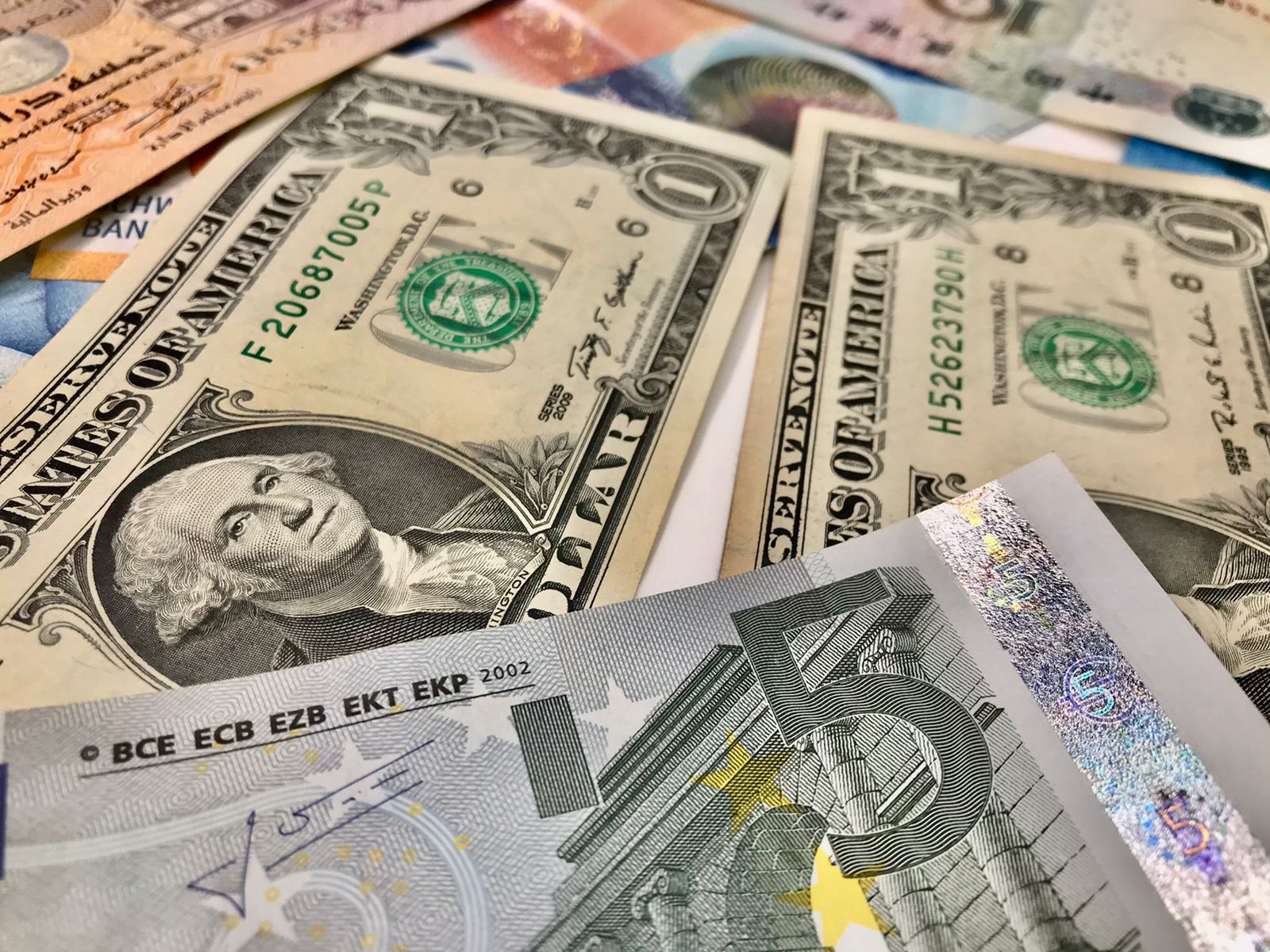
The Reserve Bank of India has announced measures to boost forex inflows, including liberalising limits and interest rate caps for external borrowings to encouraging debt flows and foreign currency deposits, as it aims to stem the rupee's fall.
The central bank has been “closely and continuously monitoring the liquidity conditions in the forex market and has stepped in as needed in all its segments to alleviate dollar tightness with the objective of ensuring orderly market functioning”, the central bank said in a statement.
“In order to further diversify and expand the sources of forex funding so as to mitigate volatility and dampen global spillovers, it has been decided to undertake measures… to enhance forex inflows while ensuring overall macroeconomic and financial stability.”
The steps taken are:
Foreign currency non resident deposits [ FCNR(B) and NRE deposits] exempt from the maintenance of CRR and SLR.
Relaxation will be available for deposits mobilised up to Nov. 4, 2022.
Banks permitted to raise fresh FCNR(B) and NRE deposits without being subject to current interest rate caps.
Limit for external commercial borrowings under the automatic route raised from $750 million or its equivalent per financial year to $1.5 billion.
All-in cost ceiling under the ECB framework is also being raised by 100 basis points, subject to the borrower being of investment grade rating.
Banks can utilise overseas foreign currency borrowings for lending in foreign currency to entities for a wider set of end-use purposes, subject to the negative list set out for external commercial borrowings.
All new issuances of government bonds of seven-year and 14-year tenors, including the current issuances of 7.10% GS 2029 and 7.54% GS 2036, will be designated as specified securities under the fully accessible route.
FPI investments in government securities and corporate debt made till Oct. 31, 2022 will be exempted from residual maturity limits.
FPIs, till Oct. 31, 2022, can invest in corporate money market instruments viz., commercial paper and non-convertible debentures with an original maturity of up to one year.
The Indian rupee continues to depreciate against the U.S. dollar. The domestic currency fell to a fresh record low of 79.37 against the greenback on Wednesday, before erasing some losses and closing at 79.30.
The global outlook, the RBI said, is clouded by recession risks. Consequently, high risk aversion has gripped financial markets, producing surges of volatility, selloffs of risk assets and large spillovers, including flights to safety and safe haven demand for the U.S. dollar.
As a result, emerging market economies, it said, are facing retrenchment of portfolio flows and persistent downward pressures on their currencies. India's growth prospects, however, remain strong and resilient.
Despite headwinds from geopolitical developments, elevated crude prices and tighter external financial conditions, high-frequency indicators point to an ongoing recovery in several sectors. All capital flows, barring portfolio investments, remain stable and an adequate level of reserves provides a buffer against external shocks.
Reflecting these strong fundamentals, the rupee has depreciated 4.1% against the U.S. dollar during the current financial year so far—modest relative to other emerging market economies and even major advanced economies, the central bank said.
Will It Work?
The steps taken to boost short-end flows may not benefit right away, Anindya Banerjee, vice president (currency derivatives and interest rate derivatives) at Kotak Securities, said.
“We are unlikely to see unhedged trades on the shorter end, so the spot market will not see much benefit under current macroeconomic conditions.”
Steps taken on NRE, FCNR deposits and external commercial borrowings, he said, will certainly help, but these are steps that will support the rupee over the longer term and not immediately. “Net-net these are marginally positive moves. These very same steps could have a far bigger impact if the global situation turns for the better.”
Abhishek Goenka, chief executive officer at IFA Global, said this was the first step by the RBI, where they are trying to attract foreign flows and was reminiscent of what it did back in 2013. “We need to see how the market reacts. This move will cut long and speculative positions.”

-
A New Samvat Wishlist: Inclusive Prosperity And Human Development

India has strengthened its economic foundations through infrastructure, digital access and enterprise. Its next growth chapter must deepen productivity, create better livelihoods and widen participation in prosperity.
-
Love, Sex Aur Dhokha: The Audacious Plot To Spy On Jensen Huang
A Taipei dinner, a Singapore chip buyer and a suspected Chinese asset: inside the alleged spy operation that got close to NVIDIA's Jensen Huang.
-
Ten Things I Learnt This Samvat
Patience can be a trap. Cheap stocks can stay cheap. Leverage can wipe you out. What did Samvat 2082 teach us? Niraj Shah writes on 10 lessons from the year gone by.
-
Talking Points This Week: Tech Nerves, FII Buying, And A Faraway Banking Shock
The global markets are not shining this Diwali. The exception in the large markets is, India.
-
Midterm Rally Lasted A Day. The Hard Reality Of A Divided US May Last Two Years | Opinion
Between a contested AI boom, a debt ceiling that arrives in 2027 and a president with every incentive to act alone, the next two years may prove more volatile than the first day's rally suggests.
-
Blue Wave Will Derail the AI Trade but Won't Dismantle the AI Era | Unhedged Position
The Democrats' sweep of the US Congress will see politics collide with economic forces both over the long and short term.
-
It's Time To Take The GST Council's Bet On Trust Global
Payment records can prove India's services exports, and clear, proportionate rules can bring foreign digital sellers into the tax net.
-
Opinion | India at 38: From Innovation Overperformer to Innovation Powerhouse
India now has 453 VC-backed deep science startups, 18 of them late-stage, after 117 percent growth since 2020. Laurus Labs, at USD 9.3 billion, is the most valuable deep science company in any middle-income economy outside China.
-
Navigating Energy Crossroads: S Jaishankar's Call For Diversified Supply Chains At G20 Ministerial Meeting
As geopolitical fault lines continue to test maritime trade routes and commodity flows, Jaishankar's message remains pertinent: true economic resilience requires open markets, protected transit lines, and a genuine commitment to multilateral cooperation rather than coercion.









