RBI Removes IDBI Bank From Corrective Action Framework
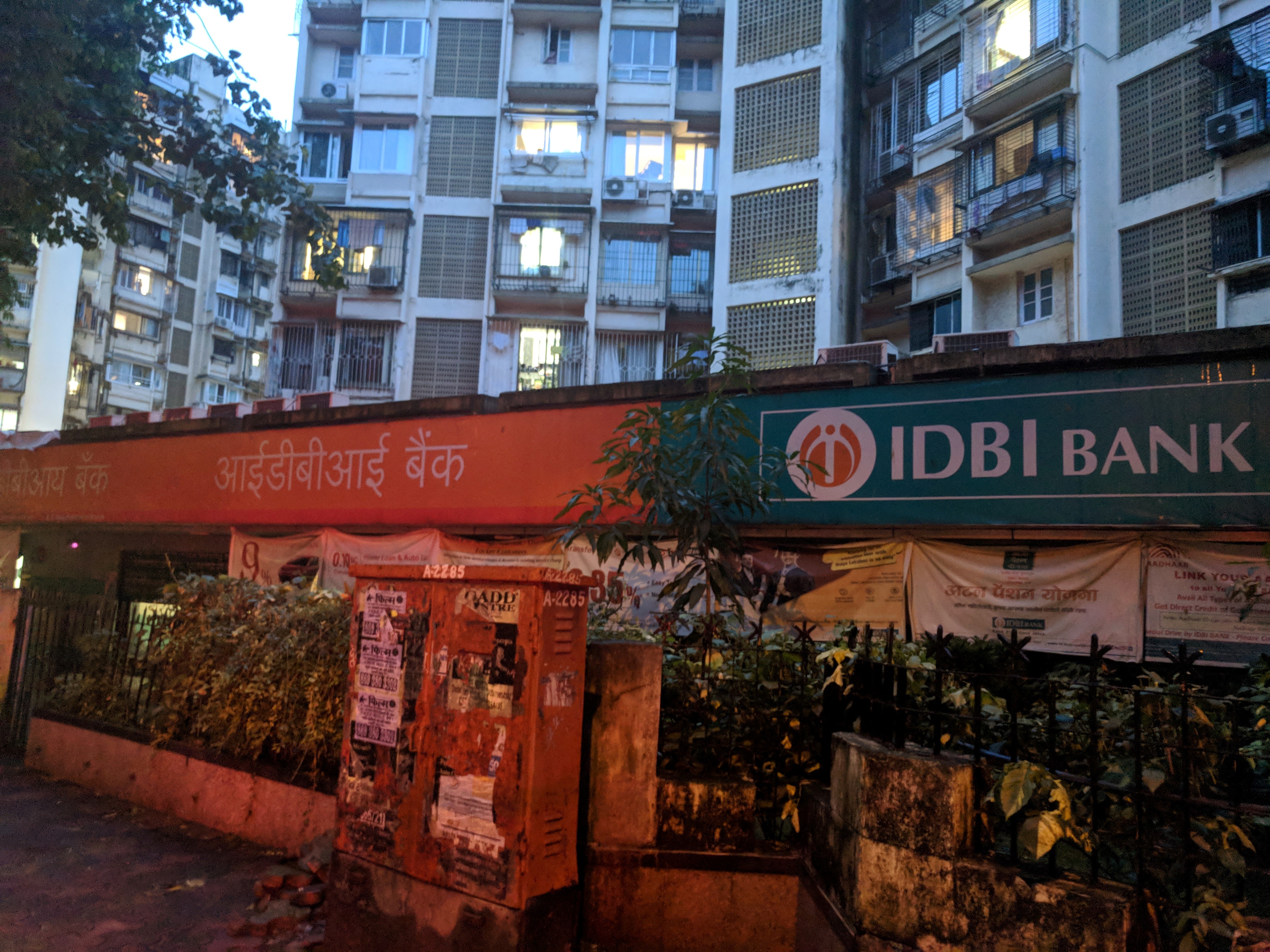
The Reserve Bank of India on Wednesday said that IDBI Bank Ltd. would be allowed to exit from the regulator's corrective action framework for weak lenders after nearly four years. The regulator had placed restrictions on the bank under the prompt corrective action framework in May 2017.
The RBI said that the decision was taken after taking into consideration the bank's financial position as of Dec. 31, 2020.
“It was noted that as per published results for the quarter ending December 31, 2020 the bank is not in breach of the PCA parameters on regulatory capital, net NPA and leverage ratio,” the RBI said in a statement.
The regulator said that the bank has given written commitment that it would comply with the norms of minimum regulatory capital, net non-performing assets and leverage ratio on an ongoing basis. Further, the bank has also apprised the regulator of the structural and systematic improvements that it had put in place which had helped the bank in continuing to meet these commitments. “Taking all the above into consideration, it has been decided that IDBI Bank be taken out of the PCA framework, subject to certain conditions and continuous monitoring.”
IDBI Bank had met three out of four key criteria needed to exit the prompt corrective action framework. Its net non-performing asset ratio has remained under the 6% mark for five consecutive quarters, capital adequacy ratio has remained above the regulatory minimum of 11.5% for five quarters with Tier 1 capital ratio above 8%. Its leverage ratio stood at 5.71% at the end of the third quarter, above the 4% threshold under PCA. Its return on asset has remained positive since March 2020, however, one full financial year of positive return ratios is yet to be achieved.
The bank's outstanding gross NPA ratio remains high at 23.52%. The pro forma gross NPA ratio, which adjusts for the impact of a Supreme Court bar on NPA classification after August 2020, is higher at 24.33%. Another 4% of advances are currently overdue by 30 days or more and can be seen as additional stress on the bank's portfolio. However, given the large provisions made by the bank, its net NPA ratio is at 1.94% and pro forma net NPA ratio at 2.75%.
When the PCA restrictions were introduced, the bank's gross NPA ratio stood at 24.11%.

-
Love, Sex Aur Dhokha: The Audacious Plot To Spy On Jensen Huang

A Taipei dinner, a Singapore chip buyer and a suspected Chinese asset: inside the alleged spy operation that got close to NVIDIA's Jensen Huang.
-
Ten Things I Learnt This Samvat
Patience can be a trap. Cheap stocks can stay cheap. Leverage can wipe you out. What did Samvat 2082 teach us? Niraj Shah writes on 10 lessons from the year gone by.
-
Talking Points This Week: Tech Nerves, FII Buying, And A Faraway Banking Shock
The global markets are not shining this Diwali. The exception in the large markets is, India.
-
Midterm Rally Lasted A Day. The Hard Reality Of A Divided US May Last Two Years | Opinion
Between a contested AI boom, a debt ceiling that arrives in 2027 and a president with every incentive to act alone, the next two years may prove more volatile than the first day's rally suggests.
-
Blue Wave Will Derail the AI Trade but Won't Dismantle the AI Era | Unhedged Position
The Democrats' sweep of the US Congress will see politics collide with economic forces both over the long and short term.
-
It's Time To Take The GST Council's Bet On Trust Global
Payment records can prove India's services exports, and clear, proportionate rules can bring foreign digital sellers into the tax net.
-
Opinion | India at 38: From Innovation Overperformer to Innovation Powerhouse
India now has 453 VC-backed deep science startups, 18 of them late-stage, after 117 percent growth since 2020. Laurus Labs, at USD 9.3 billion, is the most valuable deep science company in any middle-income economy outside China.
-
Navigating Energy Crossroads: S Jaishankar's Call For Diversified Supply Chains At G20 Ministerial Meeting
As geopolitical fault lines continue to test maritime trade routes and commodity flows, Jaishankar's message remains pertinent: true economic resilience requires open markets, protected transit lines, and a genuine commitment to multilateral cooperation rather than coercion.
-
Indians Are Travelling, But Not Every Journey Is A Holiday | The Week In Whys
Pilgrims, patients and working women are the real travellers, and the system hasn't quite caught up with them.









