RBI Permits ‘On-Tap’ Authorisation For Retail Payment Systems
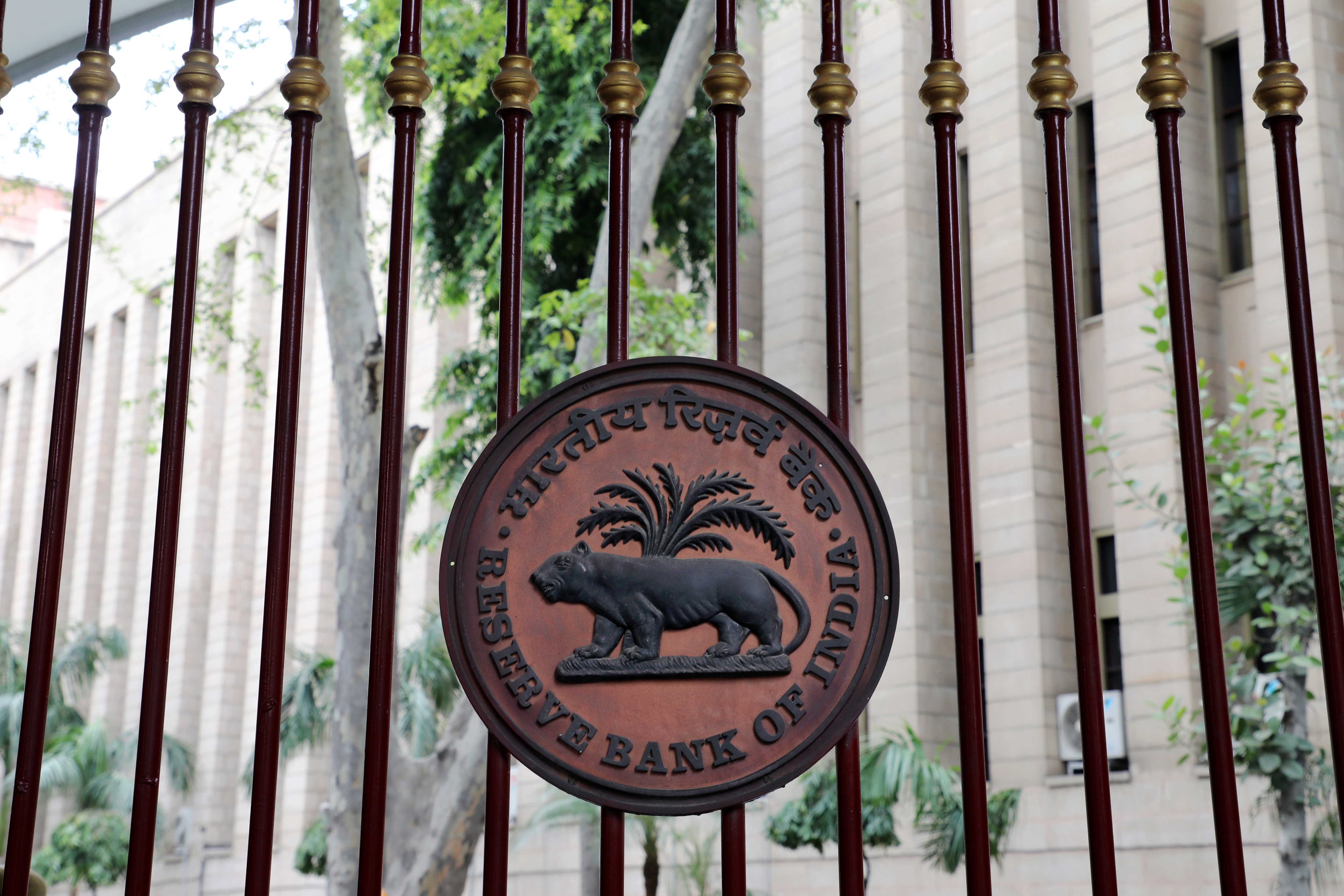
The Reserve Bank of India has decided to open up retail payment systems to more players to encourage innovation and competition, while minimising risks in the sector.
The central bank has decided to extend on-tap authorisation to entities for three retail payments systems—Bharat Bill Payment Operating Units, Trade Receivables Discounting Systems and White Label ATMs, it said in a statement today.
The move follows feedback received by the RBI after it published a policy paper on authorising new retail payment systems to minimise concentration risks in the industry.
Bharat Bill Payment Operating Units is an online bill payment system for utilities that supports multiple payment modes. There are 67 customer BBPOUs, 21 biller BBPOUs and 134 registered entities—including water, telecom, gas and electricity service providers, as of July 15—according to the National Payments Corporation of India's website.
Customer BBPOUs are those banks and non-banks authorised by the RBI to directly liaise with customers and offer payment processing modules for monthly bill payments. Biller BBPOUs are those banks and non-banks authorised by the RBI to build bill-payments tools for utility and service providers. The difference between these two BBPOUs lies in whether banks and non-banks can decide whether to offer Bharat bill payment services directly to customers or billers.
TreDs is an online bill discounting platform targeting micro, small and medium enterprises to raise funds and process payments quickly for trade receivables with their customers.
Currently, there are three TreDs platforms in operation.
White Label ATM operators are non-banking entities that are licensed to setup and operate ATM networks across the country. There are eight such entities operating in India presently.
While banks are shutting their non-branch ATMs, effectively opening up locations for white-label operators to expand their network, ATM interchange fee remains lower than optimal, forcing many companies to seek other lines of revenue.
The RBI this year set up a committee, comprising members from banks, ATM and payments industry, to review ATM interchange fee structure.

-
A New Samvat Wishlist: Inclusive Prosperity And Human Development

India has strengthened its economic foundations through infrastructure, digital access and enterprise. Its next growth chapter must deepen productivity, create better livelihoods and widen participation in prosperity.
-
Ten Things I Learnt This Samvat
Patience can be a trap. Cheap stocks can stay cheap. Leverage can wipe you out. What did Samvat 2082 teach us? Niraj Shah writes on 10 lessons from the year gone by.
-
Talking Points This Week: Tech Nerves, FII Buying, And A Faraway Banking Shock
The global markets are not shining this Diwali. The exception in the large markets is, India.
-
Midterm Rally Lasted A Day. The Hard Reality Of A Divided US May Last Two Years | Opinion
Between a contested AI boom, a debt ceiling that arrives in 2027 and a president with every incentive to act alone, the next two years may prove more volatile than the first day's rally suggests.
-
Blue Wave Will Derail the AI Trade but Won't Dismantle the AI Era | Unhedged Position
The Democrats' sweep of the US Congress will see politics collide with economic forces both over the long and short term.
-
It's Time To Take The GST Council's Bet On Trust Global
Payment records can prove India's services exports, and clear, proportionate rules can bring foreign digital sellers into the tax net.
-
Opinion | India at 38: From Innovation Overperformer to Innovation Powerhouse
India now has 453 VC-backed deep science startups, 18 of them late-stage, after 117 percent growth since 2020. Laurus Labs, at USD 9.3 billion, is the most valuable deep science company in any middle-income economy outside China.
-
Navigating Energy Crossroads: S Jaishankar's Call For Diversified Supply Chains At G20 Ministerial Meeting
As geopolitical fault lines continue to test maritime trade routes and commodity flows, Jaishankar's message remains pertinent: true economic resilience requires open markets, protected transit lines, and a genuine commitment to multilateral cooperation rather than coercion.
-
Indians Are Travelling, But Not Every Journey Is A Holiday | The Week In Whys
Pilgrims, patients and working women are the real travellers, and the system hasn't quite caught up with them.









