RBI Withdraws Restructuring Schemes In Complete Overhaul Of Bad Loan Framework
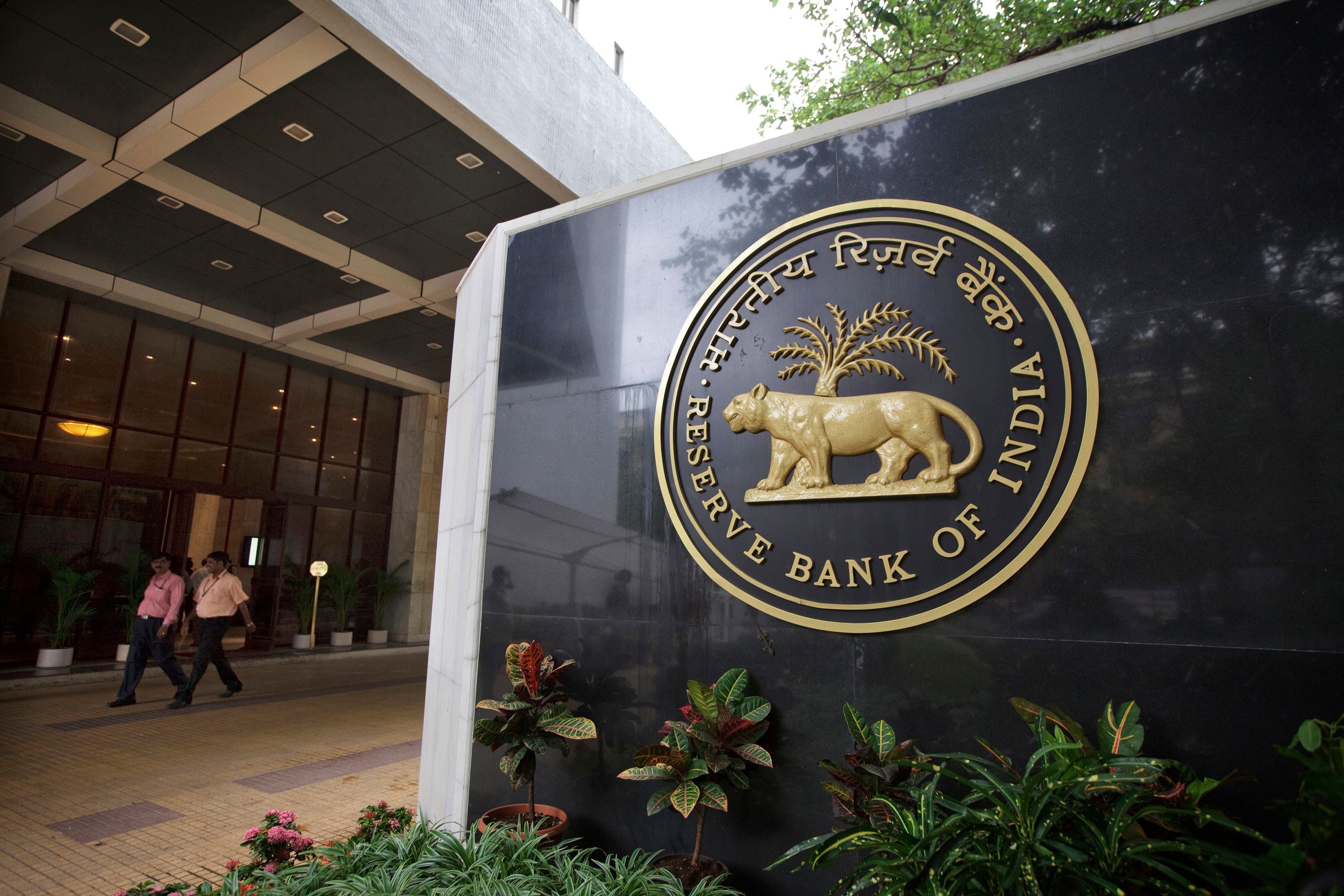
Having pushed lenders into resolving nearly 40 of the largest bad loan accounts via the Insolvency and Bankruptcy Code (IBC), the Reserve Bank of India (RBI) has now revised its stressed asset framework to ensure speedy resolution of bad loans in the future. An overarching theme of the new framework is a reliance on the IBC to resolve stressed assets, while doing away with a number of interim schemes introduced before India adopted a bankruptcy code.
“In view of the enactment of the Insolvency and Bankruptcy Code, 2016 (IBC), it has been decided to substitute the existing guidelines with a harmonised and simplified generic framework for resolution of stressed assets,” said the RBI in a notification released late on Monday evening.
Key features of the new framework include doing away with schemes like Strategic Debt Restructuring (SDR), the Scheme for Sustainable Structuring of Stressed Assets (S4A), and the Corporate Debt Restructuring (CDR) scheme, among others. To replace these schemes, the RBI has put in place a strict timeline over which a resolution plan must be implemented, failing which stressed accounts must be referred to the IBC.
Listed Indian banks saw bad loans jump to over Rs 8.4 lakh crore as of September 2017, following an asset quality review conducted by the RBI in 2015. The revised rules come at a time when Indian banks are close to completing the process of bad loan recognition but resolution is in early stages.
BQ Explains: What RBI's New Bad Loan Resolution Framework Means
Timeline For Reporting & Resolution
The new framework asks banks to identify stressed accounts immediately on default. Lenders are then required to classify these accounts as special mention accounts (SMA), report them to the RBI's large credit database (CRILC) and begin resolution. The joint lenders' forum, which was so far coordinating negotiations between lenders and the borrower, has been disbanded.
The definition of default is specified to mean: non-payment of debt when whole or any part or installment of the amount of debt has become due and payable and is not repaid by the debtor or the corporate debtor.
The guidelines say that lenders will have to report defaults on a weekly basis in the case of borrowers with more than Rs 5 crore in bank debt. “The first such weekly report shall be submitted for the week ending February 23, 2018,” said the RBI.
The RBI framework adds that a resolution plan must be initiated as soon as there is a default.
The resolution plan may involve:
- Regularisation of the account by payment of all overdues by the borrower entity
- Sale of the exposures to other entities / investors
- Change in ownership
- Restructuring
The framework reiterates that restructuring could involve modification to the terms and conditions of advances, including an alteration in the repayment period, the rate of interest and the installments payable.
Resolution plans involving restructuring / change in ownership in respect of ‘large' accounts (i.e., accounts where the aggregate exposure of lenders is Rs 100 crore and above), shall require independent credit evaluation (ICE) of the residual debt by credit rating agencies (CRAs) specifically authorised by the Reserve Bank for this purpose. While accounts with aggregate exposure of Rs 500 crore and above shall require two such ICEs, others shall require one ICE.RBI Notification
Referral For Insolvency
The new framework puts down strict timelines over which insolvency proceedings must be initiated. These timelines come into effect starting March 1, 2018.
- For accounts with an exposure of Rs 2,000 crore or more, banks will have to ensure that a resolution plan is in place within 180 days after a ‘default'.
- If the resolution plan is not implemented within 180 days, the account must be referred to the IBC within 15 days.
- For large accounts where a resolution plan is being implemented, the account should not be in default at any point during the specified period.
- If there is a default within the specified period, the lenders should file an insolvency application.
- For accounts with exposure of Rs 100 crore to Rs 2,000 crore a timeline for resolution will be announced over a two-year period.
The RBI, however, clarified that these timelines do not apply to accounts where insolvency action has already been initiated at the insistence of the central bank.
...the said transition arrangement shall not be available for borrower entities in respect of which specific instructions have already been issued by the Reserve Bank to the banks for reference under IBC. Lenders shall continue to pursue such cases as per the earlier instructions.RBI Notification
Prudential Norms
An account that has been restructured shall immediately be downgraded to being a non-performing asset, reiterated the RBI. Non performing assets, which have been restructured, will continue to be classified as they were before the restructuring.
Provisions attached to these accounts would to be as per existing rules under the IRAC (Income Recognition and Asset Classification) norms.
Accounts can be upgraded only when all the outstanding loans and facilities of the account demonstrate satisfactory performance, said the RBI. For accounts with an exposure of more than Rs 100 crore, the borrower will also need to be rated 'investment grade' before the account is upgraded to standard status.
What Happens To Existing Stressed Asset Schemes?
The new framework will subsume almost all stressed asset schemes.
This includes:
- Corporate Debt Restructuring Scheme
- Flexible Structuring of Existing Long Term Project Loans
- Strategic Debt Restructuring Scheme (SDR)
- Change in Ownership outside SDR
- Scheme for Sustainable Structuring of Stressed Assets (S4A)
The joint lenders' forum, which was overseeing stressed asset negotiations in the case of large consortium loans, also stands disbanded.

-
Navigating Energy Crossroads: S Jaishankar's Call For Diversified Supply Chains At G20 Ministerial Meeting

As geopolitical fault lines continue to test maritime trade routes and commodity flows, Jaishankar's message remains pertinent: true economic resilience requires open markets, protected transit lines, and a genuine commitment to multilateral cooperation rather than coercion.
-
Indians Are Travelling, But Not Every Journey Is A Holiday | The Week In Whys
Pilgrims, patients and working women are the real travellers, and the system hasn't quite caught up with them.
-
Getting To Work Costs Women More | The Reason Why
It is not just about women paying more than men. It is about women paying much more in cities than in villages.
-
AI Bias In Investing Cannot Be Eliminated, But It Can Be Governed
Framing is a particularly important example as identical financial information presented in terms of gains rather than losses can lead an LLM to reach a different assessment.
-
Joining The Dots | Dark Skies, Steady Diya: Why Hope Holds This Diwali
With war, a weak rupee and foreign outflows weighing on sentiment, policymakers at the NDTV World Summit and market veterans at NDTV Profit Ignite: Diwali Edition offered the same advice: stay invested and filter out the noise.
-
The Curious Case of Equitas Small Finance Bank And A CEO Who Quit For Stock
PN Vasudevan believes persistent investor concerns over a perceived conflict of interest had become a governance overhang on Equitas Small Finance Bank's stock, even as the lender improved profitability and asset quality.
-
Talking Points This Week: AI Cash Burn, A Tiger Comeback And An India That Still Finds Its Own Path
India is not immune to higher oil or tighter global liquidity, yet its earnings base is broader, its domestic policy levers are still available.
-
Foreign Investors Own Half Of HDFC Bank and ICICI Bank. An LTCG Cut Could Matter Most Here
Foreign portfolio investors have US$115 billion parked in HDFC Bank, ICICI Bank. If the government cuts long-term capital gains tax, Jefferies says returning foreign money could land here first.
-
'Never Seen This Level Of Negativity': Sandeep Tandon Says The Next Rally May Be Closer Than You Think
Veteran investor Sandeep Tandon says foreign selling is easing, large-caps are due a comeback and mid-caps are crowded, while he turns positive on gold, power and pharma this Diwali.
-
Indians Stay With Family, Not In Hotels | The Reason Why
India still lacks enough clean, reliable and affordable hotels for budget-conscious travellers.










