RBI Cancels Licence Of CKP Cooperative Bank
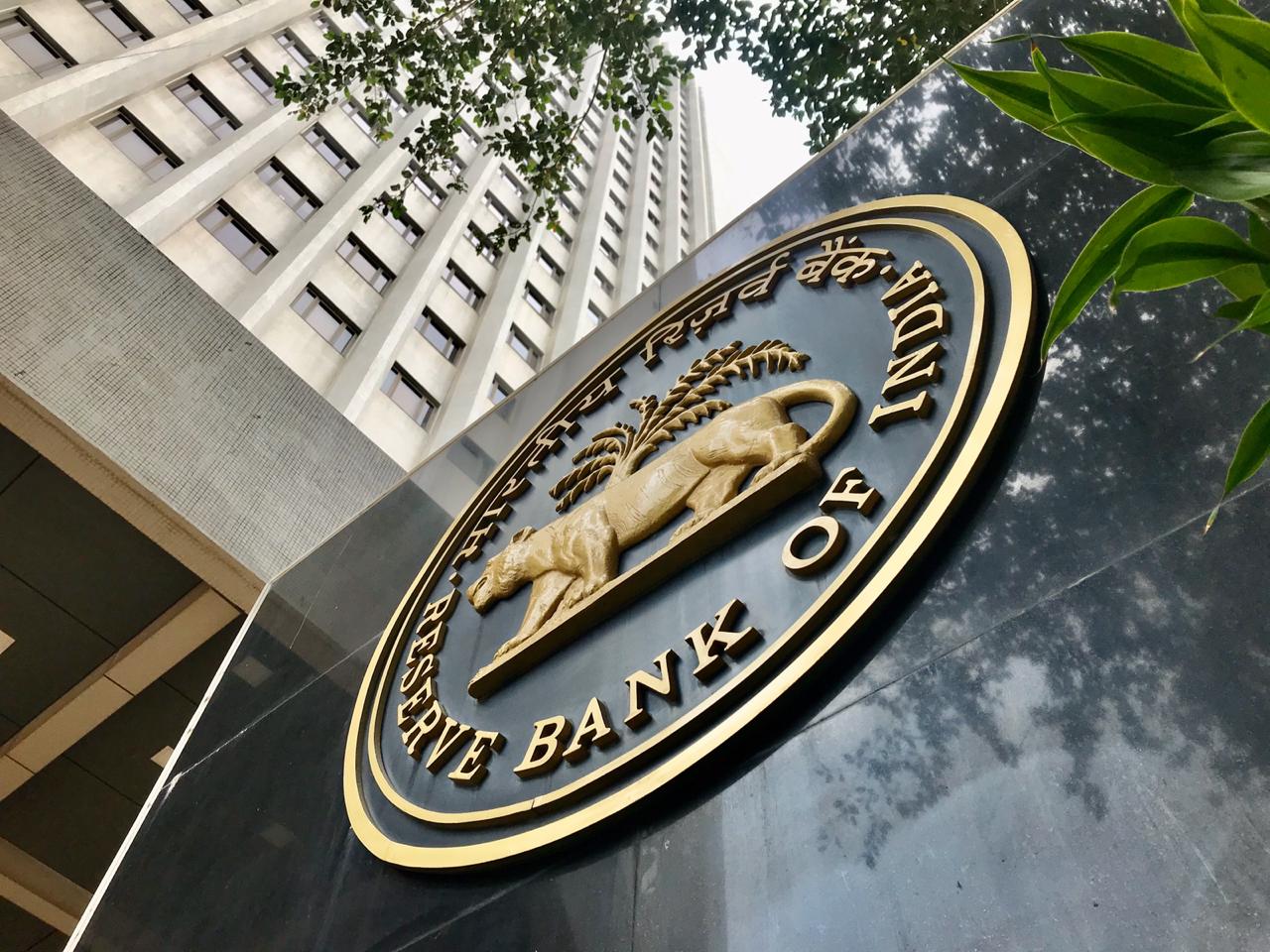
The Reserve Bank of India has cancelled the licence of CKP Cooperative Bank Ltd., with operations mostly in Pune and Mumbai, and initiated a liquidation process. The bank has been under restrictions imposed by the regulator since 2014.
In a release on Saturday evening, the RBI said the bank's licence was cancelled with effect from April 30. The Registrar of Co-operative Societies, Pune has been requested to issue an order for winding up and appoint a liquidator for the bank.
As per information available on the bank's website, it holds deposits of Rs 485 crore and outstanding loans of Rs 161 crore. The bank has a negative networth of Rs 239 crore. Established in 1915, CKP claims to be one of oldest urban cooperative banks in Mumbai.
The decision to liquidate the bank was taken as the financial position of the bank is “highly adverse and unsustainable,” the RBI said. The regulator added:
- There is no concrete revival plan or proposal for merger with another bank. Credible commitment towards revival from the management is not visible.
- The bank does not satisfy the requirement of minimum capital and reserves. It is also not in a position to pay its present and future depositors.
- The affairs of the bank were and are being conducted in a manner detrimental to the public interest and interest of the depositors.
- The bank's efforts for revival have been far from adequate though the bank has been given ample time and opportunity and dispensations. No merger proposal has been received in respect of the bank.
Once the bank is liquidated, its depositors will be able to avail the recently hiked deposit insurance limit of Rs 5 lakh. Until February this year, the deposit insurance was capped at Rs 1 lakh.
On liquidation, every depositor is entitled to repayment of his/her deposits up to a monetary ceiling of Rs 5,00,000 from the Deposit Insurance and Credit Guarantee Corporation (DICGC) as per usual terms and conditions.RBI Statement

-
Ten Things I Learnt This Samvat

Patience can be a trap. Cheap stocks can stay cheap. Leverage can wipe you out. What did Samvat 2082 teach us? Niraj Shah writes on 10 lessons from the year gone by.
-
Talking Points This Week: Tech Nerves, FII Buying, And A Faraway Banking Shock
The global markets are not shining this Diwali. The exception in the large markets is, India.
-
Midterm Rally Lasted A Day. The Hard Reality Of A Divided US May Last Two Years | Opinion
Between a contested AI boom, a debt ceiling that arrives in 2027 and a president with every incentive to act alone, the next two years may prove more volatile than the first day's rally suggests.
-
Blue Wave Will Derail the AI Trade but Won't Dismantle the AI Era | Unhedged Position
The Democrats' sweep of the US Congress will see politics collide with economic forces both over the long and short term.
-
It's Time To Take The GST Council's Bet On Trust Global
Payment records can prove India's services exports, and clear, proportionate rules can bring foreign digital sellers into the tax net.
-
Opinion | India at 38: From Innovation Overperformer to Innovation Powerhouse
India now has 453 VC-backed deep science startups, 18 of them late-stage, after 117 percent growth since 2020. Laurus Labs, at USD 9.3 billion, is the most valuable deep science company in any middle-income economy outside China.
-
Navigating Energy Crossroads: S Jaishankar's Call For Diversified Supply Chains At G20 Ministerial Meeting
As geopolitical fault lines continue to test maritime trade routes and commodity flows, Jaishankar's message remains pertinent: true economic resilience requires open markets, protected transit lines, and a genuine commitment to multilateral cooperation rather than coercion.
-
Indians Are Travelling, But Not Every Journey Is A Holiday | The Week In Whys
Pilgrims, patients and working women are the real travellers, and the system hasn't quite caught up with them.
-
Getting To Work Costs Women More | The Reason Why
It is not just about women paying more than men. It is about women paying much more in cities than in villages.









