From Boomers' Tata Salt To Gen Z's Starbucks, Ratan Tata Worked For All
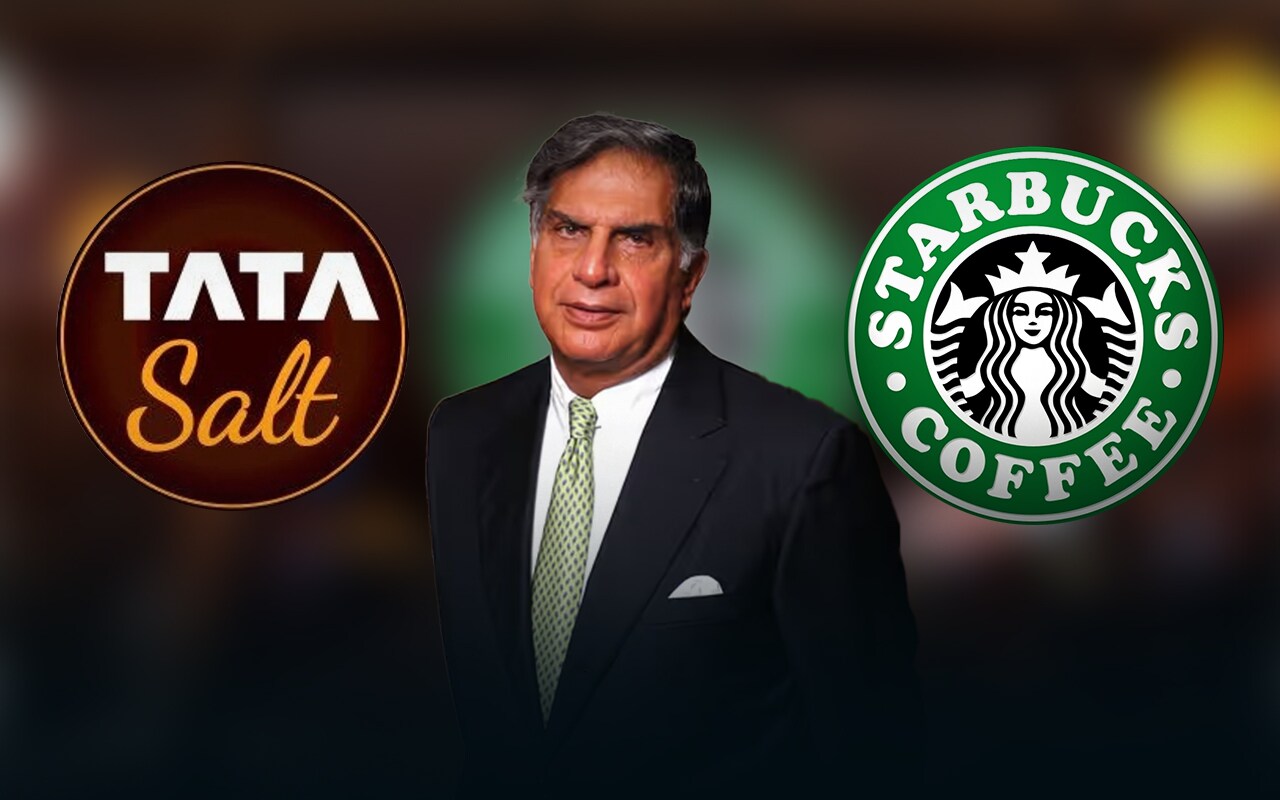
As we bid farewell to Ratan Tata, a titan whose influence has shaped modern India, it's impossible to overlook the profound impact he has had on generations of Indians.
From the familiar taste of Tata Salt that graced almost every kitchen to the global coffee experience offered by Starbucks, Tata's legacy has seamlessly woven itself into the fabric of daily life of every Indian - whether a Boomer or a Zoomer.
There's no doubt that Ratan Tata's work has made life more convenient for every Indian and enriched the lives of millions, whether through advancements in healthcare, recreation, or essential services.
His unwavering commitment to giving back to the community exemplifies the Tata ethos of returning to the public what has been earned from them.
As we reflect on his remarkable journey, it's clear that Ratan Tata has not just been a leader in business; he has been a compassionate provider, dedicated to the well-being of the people he served.
A timeline of his ventures that have become an essential part of everyday lives.
1981: Ratan Tata became the Chairman of Tata Industries, where he transformed it into a strategic think tank and a promoter of high-tech ventures.
1983: Tata launched Tata Salt, India's first national branded salt, revolutionising the market for household essentials. Today, it remains the largest packaged salt brand in India.
1986: Ratan Tata was appointed Chairman of Air India, then the national luxury carrier, a position he held until 1989.
1991: Ratan Tata took over as Chairman of Tata Sons and Tata Trusts. He began restructuring the Tata Group during a pivotal time coinciding with India's economic liberalisation. That same year, Tata Motors, then known as TELCO, entered the passenger vehicle market.
1994: Under Ratan Tata's leadership, Tanishq was established, quickly becoming synonymous with quality and trust. The brand focused on hallmarking and ethical sourcing, setting new standards for consumer confidence in jewelry.
1998: Tata Motors launched the Tata Indica, the first passenger car entirely designed and manufactured in India. The company also introduced the Tata Safari, India's first SUV, both under Ratan Tata's guidance.
2000: Tata Tea (now Tata Consumer Products) acquired the UK-based Tetley Tea for $450 million, marking a historic moment as the first Indian company to take over a British brand.
2003: Tata Consultancy Services (TCS), the group's IT firm, was listed on Indian stock exchanges. Today, TCS is valued at $183.36 billion, making it the second-largest company in India.
2006: Ratan Tata ventured into the Direct-to-Home (DTH) television market by launching TataSky, which has since become one of the leading players in the sector.
2008: Tata Motors unveiled the Tata Nano, aimed at making safe transportation affordable for millions. The company also acquired the iconic British carmaker Jaguar Land Rover.
2011: Ratan Tata inaugurated the Tata Medical Center, a comprehensive cancer care facility dedicated to serving the underprivileged in the region.
2012: In a landmark move, Ratan Tata facilitated a 50:50 joint venture between Starbucks Coffee Company and Tata Consumer Products. Tata Starbucks now operates over 390 stores across 54 cities in India, employing approximately 4,300 partners who represent the brand.
This timeline highlights Ratan Tata's profound contributions across various sectors, underscoring his commitment to innovation, quality, and social responsibility.

-
High US Salaries, No Green Card Certainty: The Financial Calculation Facing Indian H-1B Families

The suspension of PERM processing at eight technology employers does not cancel existing H-1B visas. What it does is force a question many Indian families have been avoiding: is the US salary worth tying your career and family plans to one employer?
-
Swiggy vs Eternal: Food Delivery's Two Rivals Are No Longer In The Same Race
Eternal is building a private AI assistant, dark.ai. Swiggy is still working out how to make Instamart pay, with an operating loss of Rs 895 crore in the July-September quarter while Blinkit stayed profitable.
-
Where You Live Shapes How You Get To Work | The Reason Why
Two-wheelers are the most popular way to get to work in India, accounting for nearly 43% of workplace commutes.
-
Unhedged Position: Can India See An Indonesia-Style Time Correction?
The Nifty is trading below levels it first clocked in 2024. Is there, then, as I have suggested in the headline, potential that the current time correction drags on painfully for the next three-five, even ten years?
-
Navigating Friction And Energy Realities: An Analysis Of Marco Rubio's October Visit To India
Occurring at a critical juncture marked by stalled trade negotiations and escalating geopolitical pressures over global energy supplies, the visit offers a profound window into modern US-India relations.
-
India Exports Capital. Why Not Export Trusteeship?
The big question, then, is whether India can build an institution that global borrowers, investors, banks, and lawyers can trust, even without an Indian connection.
-
France's Economy & Politics Are In Crisis | The Reason Why
Let's look at how the French economy and politics evolved under Nicolas Sarkozy, Franois Hollande and Emmanuel Macron.
-
You May Inherit The Business. You Must Earn Its Credibility.
Succession tests the founder's ability to share authority as much as it tests the next generation's readiness to assume it.
-
Signing Deals Is One Thing; Making Them Work Is Another | The Week In Whys
Sometimes, things don't turn out as planned. Indian companies have lost some bids to rivals, some projects won't produce until 2030.
-
FOMC Wall, PERM Suspension, Hospital Stocks | Talking Points This Week
A PERM suspension would directly affect green-card sponsorship rather than H-1B visas, so the near-term earnings impact could remain relatively limited. The key question is whether this marks a new phase in US scrutiny of Indian IT.









