Race to Become Next Japan PM Highlights Divergent Views On BOJ
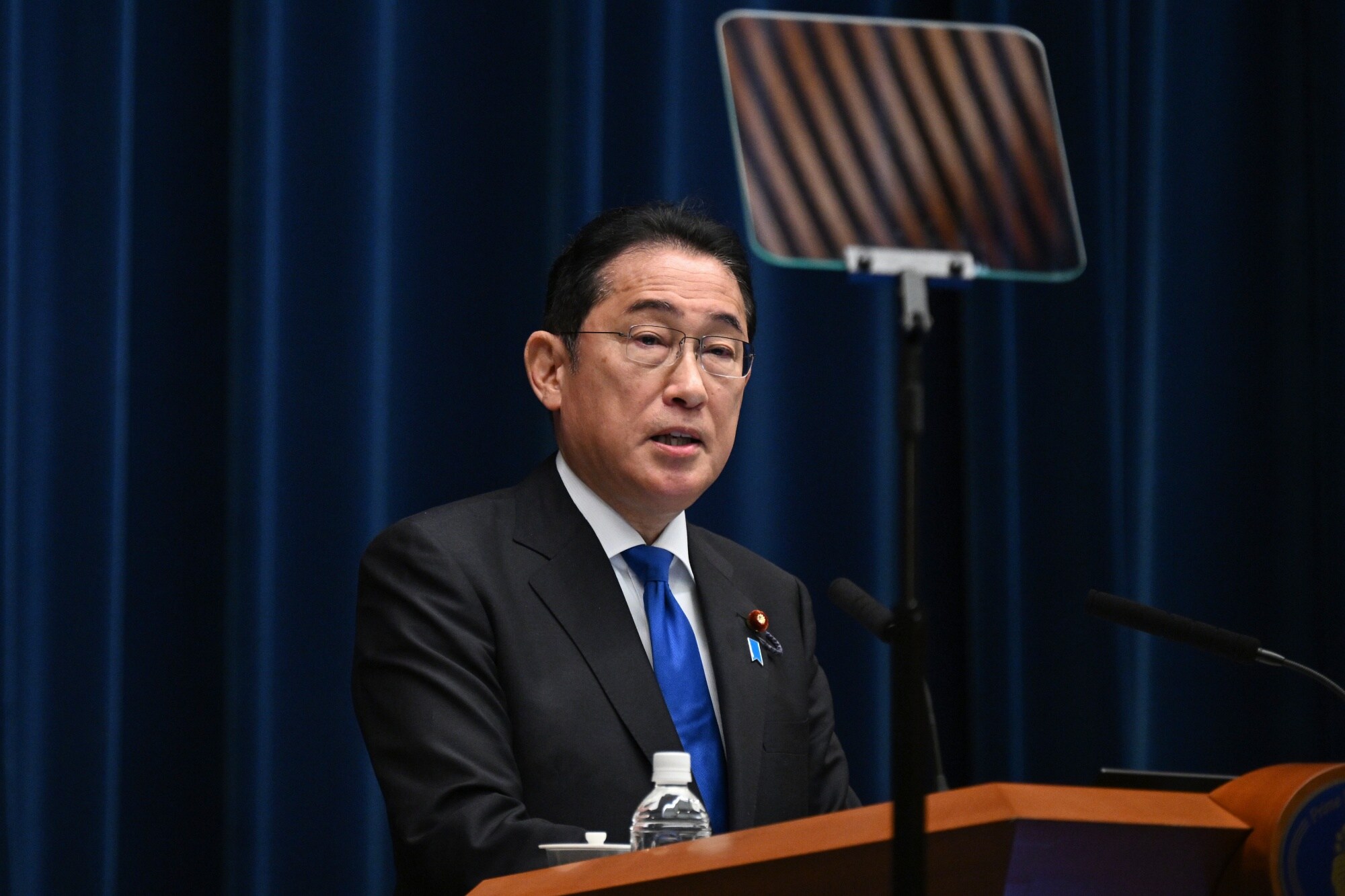
As Japan's race for a new premier heats up, candidates will be scrutinized for their views on monetary policy, with the shake-up coming at a pivotal moment when the economy is just emerging from decades of deflation.
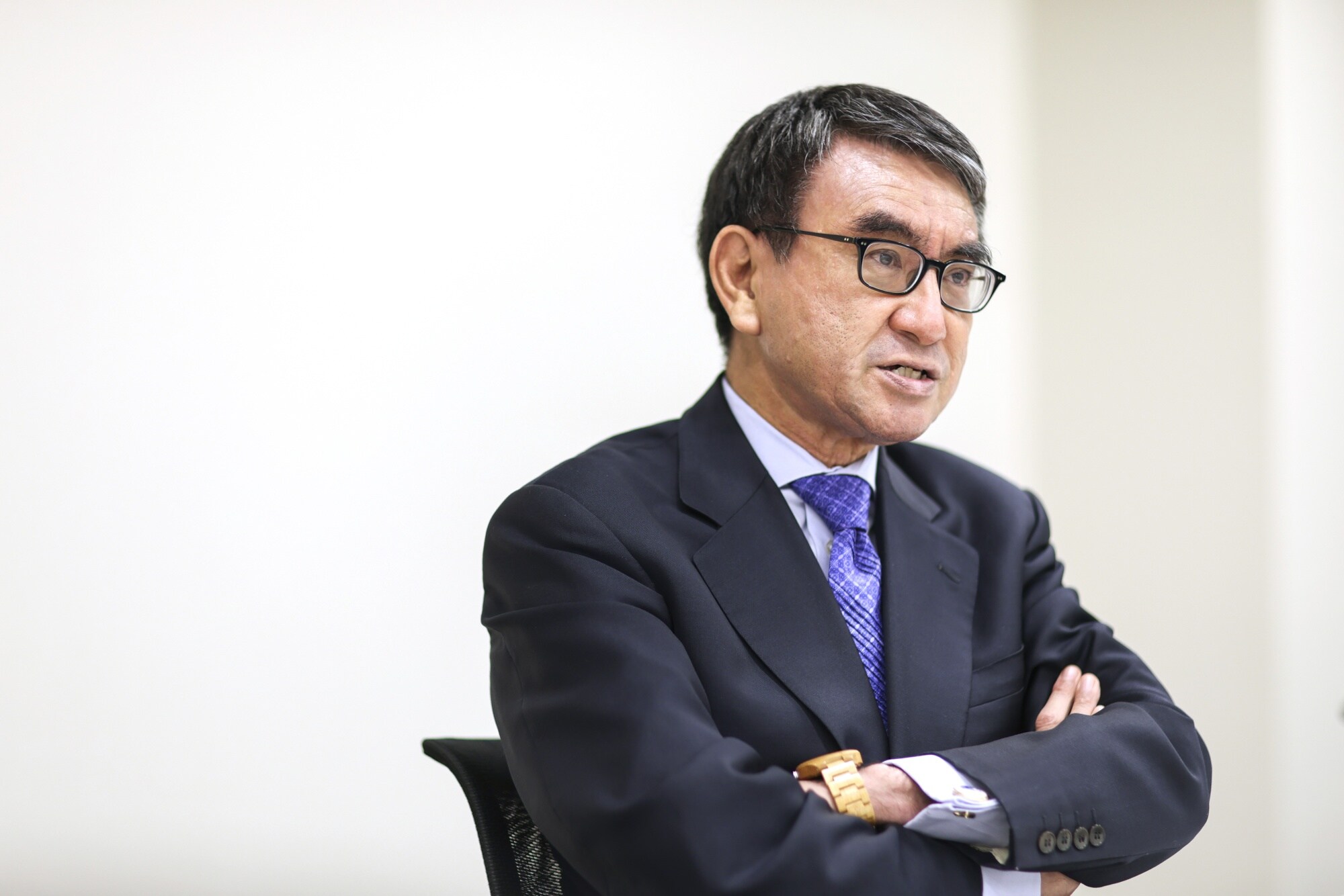
A recent episode illustrates the risks for politicians when they weigh in on central bank policy. Ahead of the Bank of Japan's board meeting in July, Digital Minister Taro Kono — a potential contender to become the next leader — said authorities should hike interest rates to support the yen.
Kono's comments helped the yen strengthen against the dollar. Minister of Finance Shunichi Suzuki criticized the remarks as lacking awareness, and urged Kono “to be careful.”
The exchange highlighted the intense focus on whether the government might try to influence the BOJ's path toward policy normalization after the bank's surprise hike on July 31 was blamed for fanning jitters that roiled financial markets. Prime Minister Fumio Kishida's decision to step down opens the door to newcomers competing at a time when BOJ policy is in flux.
“With monetary policy changing, the markets are very nervous,” said Shinichiro Kobayashi, chief economist at Mitsubishi UFJ Research & Consulting. “I think politicians need to learn that if they say things carelessly, the markets will react in a big way.”
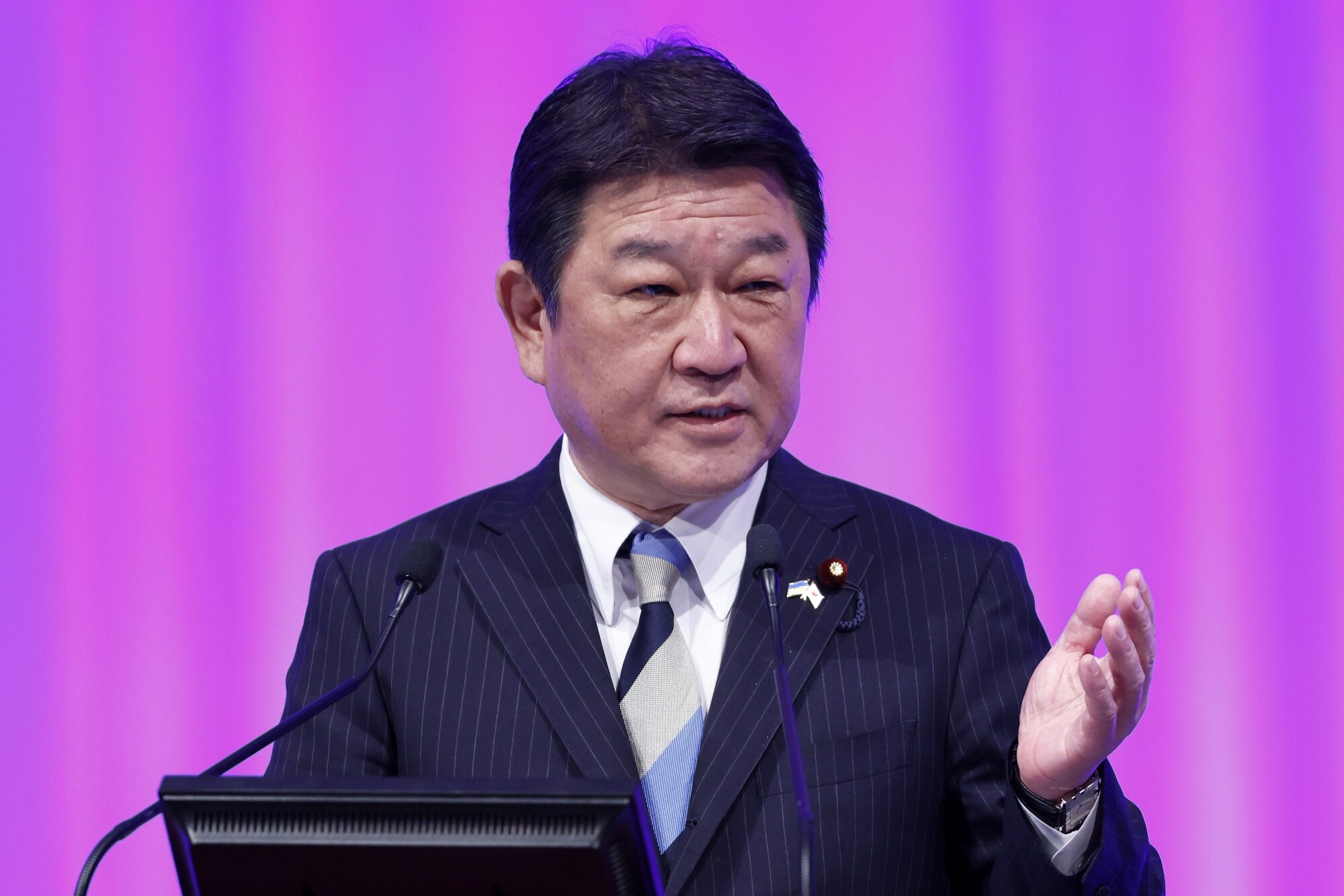
Kono isn't the only potential candidate to have crossed the line. Toshimitsu Motegi, the secretary general of the Liberal Democratic Party, said the BOJ should articulate its plans to normalize policy more clearly in order to support the yen, as the weak currency might drive up prices.
In the wake of the BOJ's rate hike, Shigeru Ishiba, a perennial contender in LDP leadership elections and former defense minister, said he supported the decision in an interview with Reuters.
Another potential candidate in the LDP election who has a clear view on monetary policy is Sanae Takaichi, economic security minister. She has repeatedly emphasized the role of monetary easing to support the economy, including in her latest policy manifesto on her website.
Views on monetary policy among most of the other expected candidates are harder to determine. Foreign Minister Yoko Kamikawa and former environmental minister Shinjiro Koizumi have offered few clues on their stances. Koizumi's father, former Prime Minister Junichiro Koizumi, was an advocate of easy policy, but that doesn't necessarily mean his son would follow that approach.
The uncertainties highlight changes in the economy. Politicians used to be more outspoken about monetary policy when Japan had the world's second largest economy. In 1987, at the height of Japan's bubble economy, Prime Minister Yasuhiro Nakasone told US President Ronald Reagan Japan would guide interest rates lower, a move meant to stabilize the dollar.
A few years later, Japan's asset bubble burst. After that Japan's economy was stuck in a deflationary rut for decades, with the central bank keeping interest rates at or near zero. There was little for politicians vying for votes or power to say on policy, and with prices sluggish, voters generally weren't complaining in any case.
That made it easy for the government to uphold its agreement with the central bank not to interfere with each other's policies.
Now things are different. Next month's election will be held against a backdrop of persistent inflation, with consumer prices having risen at or above the BOJ's 2% inflation target for more than two years. Rising costs of living weighed on Kishida's support levels.
There is already speculation that whoever replaces Kishida may call a general election this fall, and in an effort to woo voters extend utility subsidies with an extra budget.
Economic growth in the second quarter outpaced consensus estimates and showed the first increase in personal spending in more than a year. That supported the BOJ's view that inflation is becoming demand driven and sustainable, conditions that could allow authorities to keep normalizing policy after years of unprecedented easing.
If Takaichi or another dovish candidate ends up winning the LDP leadership election, pressure on the BOJ to hold fire in the future could grow.
“There's a risk that the BOJ's policy normalization may falter under the new leader,” said Masayuki Koguchi, executive fund manager at Mitsubishi UFJ Asset Management. “But if Kono or Motegi becomes the prime minister and do not oppose normalization, the atmosphere could change quickly.”
--With assistance from Masahiro Hidaka and Erica Yokoyama.
More stories like this are available on bloomberg.com
©2024 Bloomberg L.P.

-
Love, Sex Aur Dhokha: The Audacious Plot To Spy On Jensen Huang

A Taipei dinner, a Singapore chip buyer and a suspected Chinese asset: inside the alleged spy operation that got close to NVIDIA's Jensen Huang.
-
Ten Things I Learnt This Samvat
Patience can be a trap. Cheap stocks can stay cheap. Leverage can wipe you out. What did Samvat 2082 teach us? Niraj Shah writes on 10 lessons from the year gone by.
-
Talking Points This Week: Tech Nerves, FII Buying, And A Faraway Banking Shock
The global markets are not shining this Diwali. The exception in the large markets is, India.
-
Midterm Rally Lasted A Day. The Hard Reality Of A Divided US May Last Two Years | Opinion
Between a contested AI boom, a debt ceiling that arrives in 2027 and a president with every incentive to act alone, the next two years may prove more volatile than the first day's rally suggests.
-
Blue Wave Will Derail the AI Trade but Won't Dismantle the AI Era | Unhedged Position
The Democrats' sweep of the US Congress will see politics collide with economic forces both over the long and short term.
-
It's Time To Take The GST Council's Bet On Trust Global
Payment records can prove India's services exports, and clear, proportionate rules can bring foreign digital sellers into the tax net.
-
Opinion | India at 38: From Innovation Overperformer to Innovation Powerhouse
India now has 453 VC-backed deep science startups, 18 of them late-stage, after 117 percent growth since 2020. Laurus Labs, at USD 9.3 billion, is the most valuable deep science company in any middle-income economy outside China.
-
Navigating Energy Crossroads: S Jaishankar's Call For Diversified Supply Chains At G20 Ministerial Meeting
As geopolitical fault lines continue to test maritime trade routes and commodity flows, Jaishankar's message remains pertinent: true economic resilience requires open markets, protected transit lines, and a genuine commitment to multilateral cooperation rather than coercion.
-
Indians Are Travelling, But Not Every Journey Is A Holiday | The Week In Whys
Pilgrims, patients and working women are the real travellers, and the system hasn't quite caught up with them.









