PwC India Launches GST Compliance Solution For Companies
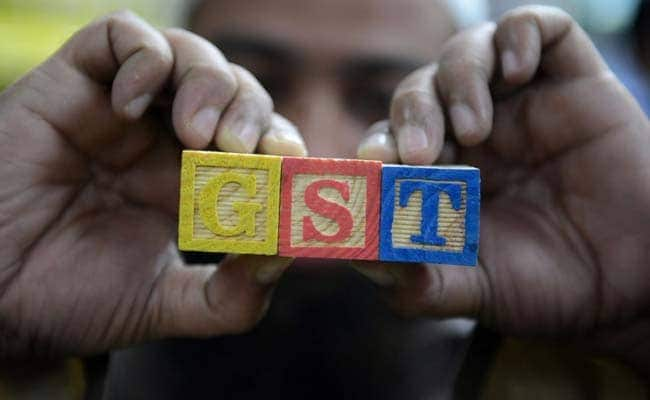
New Delhi: PwC India has launched a customised software solution with an aim to help companies in end-to-end automation of goods and services tax (GST) compliance. The software will help automate month-end tax compliances and reporting for companies with options for interfacing with multiple enterprise resource planning (ERP) environments.
The software solution, developed by PwC, has been already used in Europe and other parts of the world.
Elaborating on the solution, Pratik Jain, Partner and Leader Indirect Tax, PwC India, said: "Under GST, most companies will move towards a managed tax compliance model, wherein all the filings would be done centrally. Today's tax tools may be inadequate in catering to the needs of tomorrow's technology-driven GST compliance requirements and this would be a big challenge for corporates. There was a need for a solution to help our clients navigate these issues, especially in the Indian context.
"We are getting very encouraging feedback from clients on our tool. We are in the process of deploying it with many large companies," he added.
From July 1, GST will entail electronic filing (e-filing) of multiple monthly state-wise returns, transaction-level data upload, numerous reconciliations (revenue reconciliation, reconciliation with vendor details, upload on GST Network) and complex tax computation.
Some of the key benefits under PwC's GST Compliance Solution include comprehensive compliance coverage, seamless interface with GSTN, data validation checks, intuitive dashboards, secured infrastructure and access control mechanism.
Backed by a strong team, it will further provide implementation and ongoing support for the compliance solution.

-
Where You Live Shapes How You Get To Work | The Reason Why

Two-wheelers are the most popular way to get to work in India, accounting for nearly 43% of workplace commutes.
-
High US Salaries, No Green Card Certainty: The Financial Calculation Facing Indian H-1B Families
The suspension of PERM processing at eight technology employers does not cancel existing H-1B visas. What it does is force a question many Indian families have been avoiding: is the US salary worth tying your career and family plans to one employer?
-
Unhedged Position: Can India See An Indonesia-Style Time Correction?
The Nifty is trading below levels it first clocked in 2024. Is there, then, as I have suggested in the headline, potential that the current time correction drags on painfully for the next three-five, even ten years?
-
Navigating Friction And Energy Realities: An Analysis Of Marco Rubio's October Visit To India
Occurring at a critical juncture marked by stalled trade negotiations and escalating geopolitical pressures over global energy supplies, the visit offers a profound window into modern US-India relations.
-
India Exports Capital. Why Not Export Trusteeship?
The big question, then, is whether India can build an institution that global borrowers, investors, banks, and lawyers can trust, even without an Indian connection.
-
France's Economy & Politics Are In Crisis | The Reason Why
Let's look at how the French economy and politics evolved under Nicolas Sarkozy, Franois Hollande and Emmanuel Macron.
-
You May Inherit The Business. You Must Earn Its Credibility.
Succession tests the founder's ability to share authority as much as it tests the next generation's readiness to assume it.
-
Signing Deals Is One Thing; Making Them Work Is Another | The Week In Whys
Sometimes, things don't turn out as planned. Indian companies have lost some bids to rivals, some projects won't produce until 2030.
-
FOMC Wall, PERM Suspension, Hospital Stocks | Talking Points This Week
A PERM suspension would directly affect green-card sponsorship rather than H-1B visas, so the near-term earnings impact could remain relatively limited. The key question is whether this marks a new phase in US scrutiny of Indian IT.
-
Everything, Everywhere, All At Once: Dalal Street's Week To Forget | Joining The Dots
Visa curbs, a Starlink spat and cancer drug caps: what connects this week's shocks for Indian markets









