PNC Infratech Bags Rs 2,039 Crore Road Project From CIDCO
PNC Infratech Ltd. on Friday won an order worth Rs 2,039.61 crore for a road project from City and Industrial Development Corp. of Maharashtra Ltd.
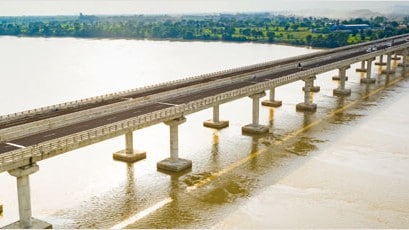
The company received a letter of acceptance for the project that includes development for roads of 20 metres and wider along with construction of flyovers, small bridges, underpasses, and associated electrical work like street lighting, according to an exchange filing.
The company will execute the project jointly with Aakshya Infra Projects Pvt. through the engineering, procurement, and construction modes, the filings said. Additionally, the company plans to implement the project within a timeframe of 1,460 days.
After negotiating the quoted price of Rs 2,090.59 crore from the company, the bid was accepted at the reduced contract price of Rs 2,039.61 crore, it said.
This infrastructure project will be issued under CIDCO's Navi Mumbai Airport Influence Notified Area (NAINA) project.
Previous Projects of PNC Infratech
In August, PNC Infratech received a letter of acceptance for the construction of the second phase of the four-lane elevated corridor in Madhya Pradesh.
The contract worth Rs 699 crore from the Public Works Department, is for constructing a flyover from Maharani Laxmibai Pratima to AB Road in Gwalior.
In January, the infrastructure development firm bagged a Letter of Award from the Madhya Pradesh Road Development Corp. for a project worth Rs 1,174 crore.
It was supposed to build the Western Bhopal Bypass as a four-lane project with a length of 40.9 km in a hybrid annuity mode.
Shares of PNC Infratech closed 0.59% lower at Rs 440.60 apiece, compared to a 0.14% fall in the benchmark NSE Nifty.
The stock has risen 18.25% in the last 12 months and 25.35% year-to-date.
Of the 19 analysts tracking the company, 15 maintain a "buy" rating, two recommend a "sell," and two suggest a 'hold' according to the Bloomberg data. The average 12-month analysts' consensus price target implies an upside of 24.3%.

-
Ten Things I Learnt This Samvat

Patience can be a trap. Cheap stocks can stay cheap. Leverage can wipe you out. What did Samvat 2082 teach us? Niraj Shah writes on 10 lessons from the year gone by.
-
Talking Points This Week: Tech Nerves, FII Buying, And A Faraway Banking Shock
The global markets are not shining this Diwali. The exception in the large markets is, India.
-
Midterm Rally Lasted A Day. The Hard Reality Of A Divided US May Last Two Years | Opinion
Between a contested AI boom, a debt ceiling that arrives in 2027 and a president with every incentive to act alone, the next two years may prove more volatile than the first day's rally suggests.
-
Blue Wave Will Derail the AI Trade but Won't Dismantle the AI Era | Unhedged Position
The Democrats' sweep of the US Congress will see politics collide with economic forces both over the long and short term.
-
It's Time To Take The GST Council's Bet On Trust Global
Payment records can prove India's services exports, and clear, proportionate rules can bring foreign digital sellers into the tax net.
-
Opinion | India at 38: From Innovation Overperformer to Innovation Powerhouse
India now has 453 VC-backed deep science startups, 18 of them late-stage, after 117 percent growth since 2020. Laurus Labs, at USD 9.3 billion, is the most valuable deep science company in any middle-income economy outside China.
-
Navigating Energy Crossroads: S Jaishankar's Call For Diversified Supply Chains At G20 Ministerial Meeting
As geopolitical fault lines continue to test maritime trade routes and commodity flows, Jaishankar's message remains pertinent: true economic resilience requires open markets, protected transit lines, and a genuine commitment to multilateral cooperation rather than coercion.
-
Indians Are Travelling, But Not Every Journey Is A Holiday | The Week In Whys
Pilgrims, patients and working women are the real travellers, and the system hasn't quite caught up with them.
-
Getting To Work Costs Women More | The Reason Why
It is not just about women paying more than men. It is about women paying much more in cities than in villages.









