Plastic Ban: Celebrate The Maharashtrian New Year With A New Mindset
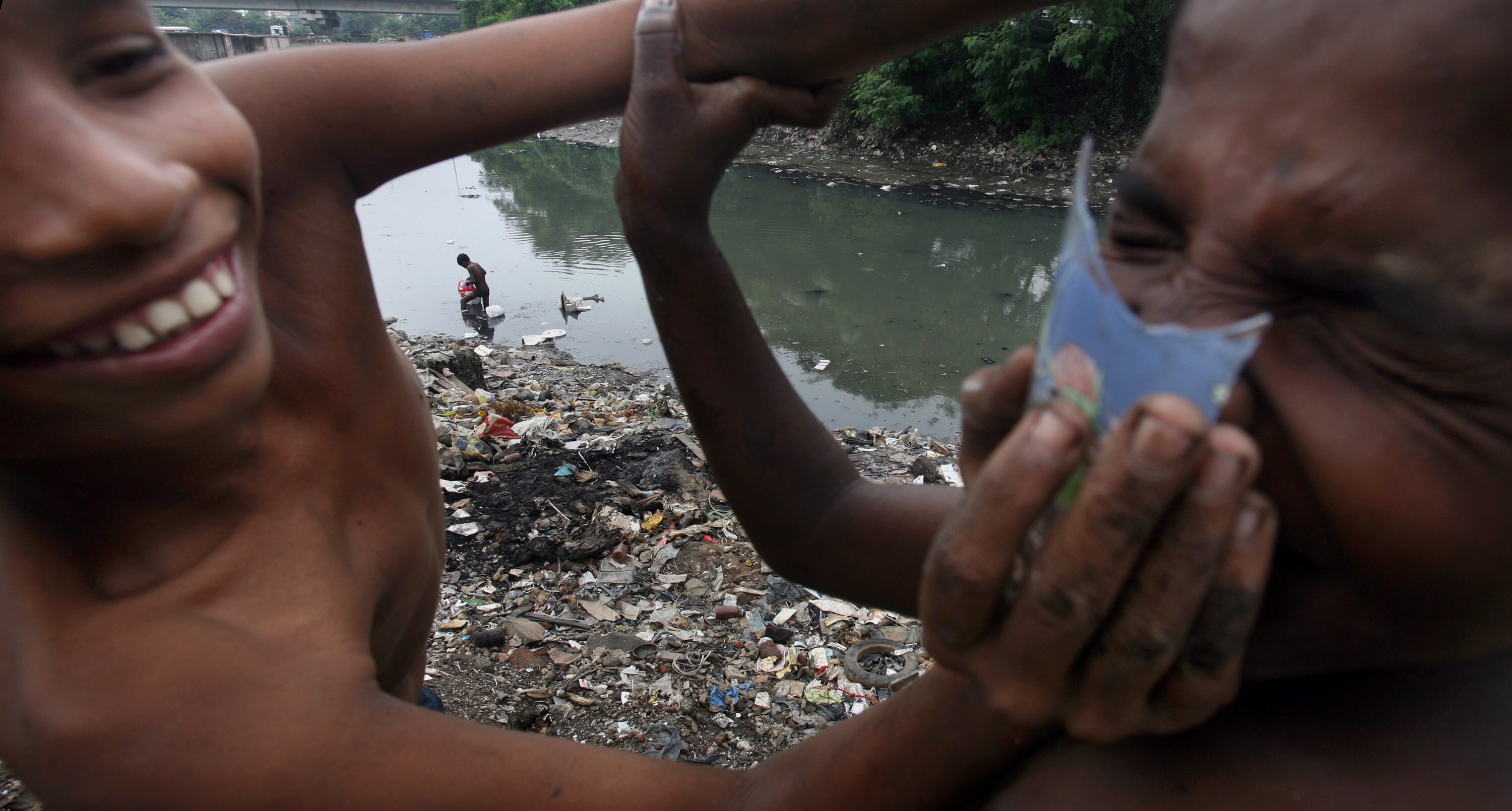
This Gudi Padwa, Maharashtra will not only celebrate the beginning of a new year but also a new habit. One the state government hopes will go a long way in reducing environmental damage.
Starting today, March 18, the state has banned the use of plastic carry bags, single-use disposables like cups, straws, plates, forks, spoons and spreadsheets. Those found violating the ban face a punishment of up to three months in jail and a fine of up to Rs 25,000.
Maharashtra is the country's largest generator of plastic waste. So the move can't be faulted for its intent. But implementation is likely to be challenging, according to both plastic manufacturers and environmentalists.
India will be not rid of its plastic addiction so easily, said reputed environmentalist Rishi Agarwal in an interview with BloombergQuint. The manner in which the state government has implemented the ban is not feasible, Agarwal said, as it does not provide for alternatives.
It's like a genie you've gotten out of the lamp and it's not going to be easy to put it back inside. Over a period of 30 years we have gotten so addicted and so use to this convenience that plastic bags provide that it's going to be some amount of time. In fact, you will need almost a 10 years time frame to systematically dismantle this addiction and come up with alternatives.Rishi Agarwal, Environmentalist
Plastics manufacturers shared a similar concern. “There is no alternative to plastic except for paper bags. The industry is also big. It will cause huge unemployment that is difficult to quantify,” Ravi Jashnani, president of Maharashtra Plastic Manufacturing Association, told BloombergQuint. “How will the government implement it suddenly?”
The Association has challenged the ban in the Bombay High Court.
There's also the fear that small businesses impacted by this ban may aid the creation of a black market.
Agarwal agreed that economic concerns should not be shrugged away as that too could hurt compliance with the ban. “The pressure from the industry is real. Lakhs of people are employed in this industry and employment will be a key problem. Also, as much as I would like to see no plastic bags being used, even as environmentalists we have to live in the reality of the social economic setup which we operate in. If the government is so serious, then it should get serious about waste management rules.”
Yet, Agarwal said, “if you get your (waste) segregation right and can dispose the recyclable plastic”, the non-recyclable component of multi-laminated packaging can be used in asphalt road construction and cement kilns.
The ban has bolstered prospects for those who do business in alternatives. Monisha Narke, founder and CEO at RUR Greenlife, has been working on alternatives to plastic for over 10 years. The ban will help boost sales and over time allow businesses like hers to reduce prices as well, she said to BloombergQuint.
Currently, a plastic plate might cost less than a rupee, whereas the eco-friendly areca plant alternative Narke sells is priced at Rs 5-10 per plate.
“Right now there are very cottage industry-based solutions that are available. That doesn't give it good economies of scale. So, if there is more awareness and more people demanding this, we can definitely look at prices coming down.”
The traditional way to celebrate Gudi Padwa is with all things new. New clothes, new jewelry and this year for Maharashtrians and new habit as well. One that slowly reduces the consumption of plastic in the state.

-
Medicine Pricing: Where Must Profit Stop?

India must confront excessive margins, hidden incentives and regulatory gaps that threaten the integrity of medicine.
-
Why Amazon And Flipkart Are Struggling To Beat Meesho In India's Smaller Cities
With 274 million users and lowest-cost logistics, Meesho is defending its value commerce crown against giants like Amazon and Flipkart.
-
High US Salaries, No Green Card Certainty: The Financial Calculation Facing Indian H-1B Families
The suspension of PERM processing at eight technology employers does not cancel existing H-1B visas. What it does is force a question many Indian families have been avoiding: is the US salary worth tying your career and family plans to one employer?
-
Swiggy vs Eternal: Food Delivery's Two Rivals Are No Longer In The Same Race
Eternal is building a private AI assistant, dark.ai. Swiggy is still working out how to make Instamart pay, with an operating loss of Rs 895 crore in the July-September quarter while Blinkit stayed profitable.
-
Where You Live Shapes How You Get To Work | The Reason Why
Two-wheelers are the most popular way to get to work in India, accounting for nearly 43% of workplace commutes.
-
Unhedged Position: Can India See An Indonesia-Style Time Correction?
The Nifty is trading below levels it first clocked in 2024. Is there, then, as I have suggested in the headline, potential that the current time correction drags on painfully for the next three-five, even ten years?
-
Navigating Friction And Energy Realities: An Analysis Of Marco Rubio's October Visit To India
Occurring at a critical juncture marked by stalled trade negotiations and escalating geopolitical pressures over global energy supplies, the visit offers a profound window into modern US-India relations.
-
India Exports Capital. Why Not Export Trusteeship?
The big question, then, is whether India can build an institution that global borrowers, investors, banks, and lawyers can trust, even without an Indian connection.
-
France's Economy & Politics Are In Crisis | The Reason Why
Let's look at how the French economy and politics evolved under Nicolas Sarkozy, Franois Hollande and Emmanuel Macron.
-
You May Inherit The Business. You Must Earn Its Credibility.
Succession tests the founder's ability to share authority as much as it tests the next generation's readiness to assume it.










