Patanjali Ayurved To Buy Adar Poonawalla-Owned Firm's Insurance Subsidiary For Rs 4,500 Crore
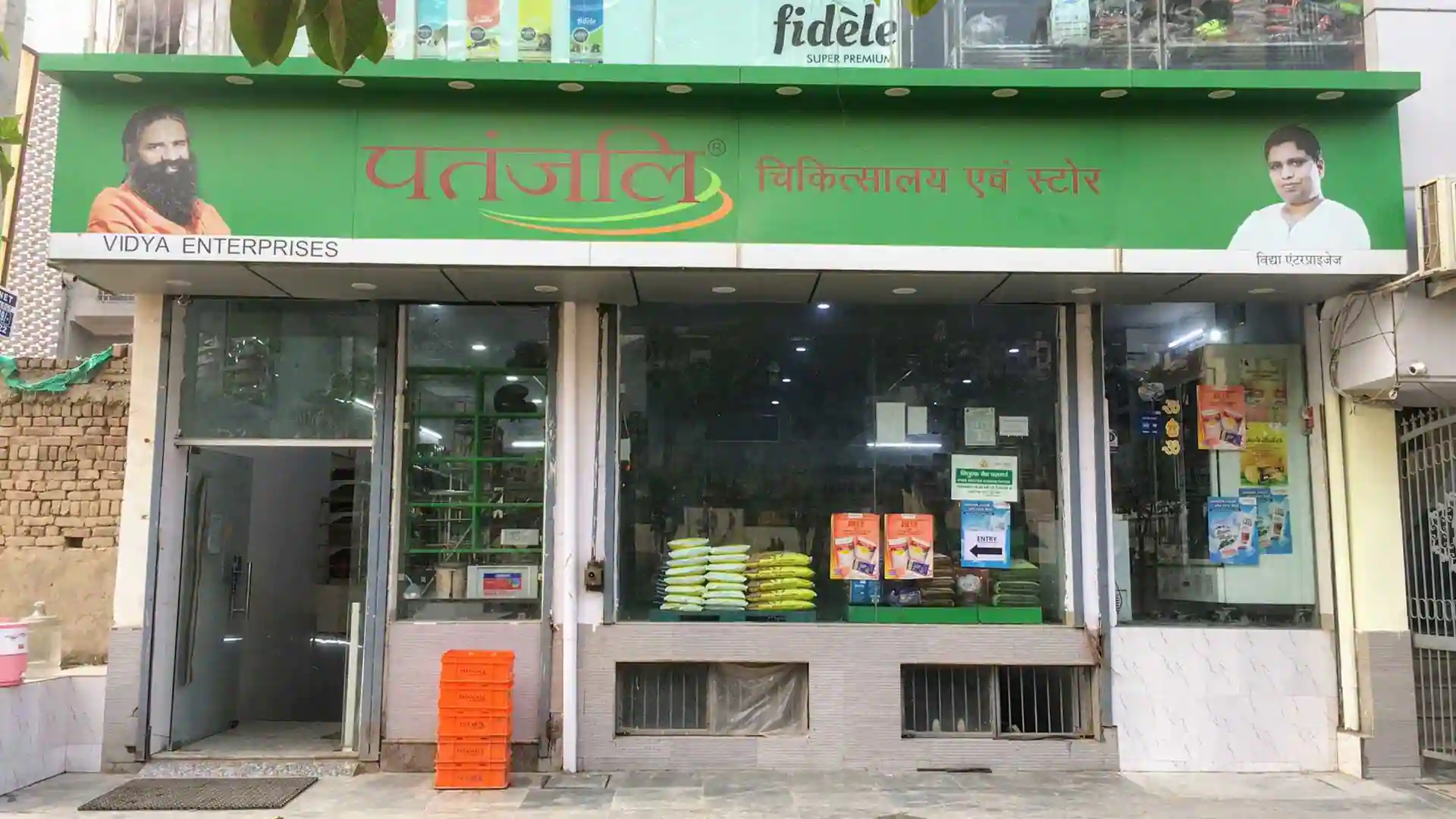
Sanoti Properties LLP has approved the sale of its insurance subsidiary, Magma General Insurance Ltd., to Patanjali Ayurved Ltd. and Dharampal Satyapal Group at a valuation of Rs 4,500 crore.
The transaction is subject to regulatory approvals, according to a press release on Thursday. Sanoti Properties is jointly held by billionaire Adar Poonawalla and Rising Sun Holdings Pvt.
Patanjali Ayurved sees significant growth potential within India's underpenetrated general insurance market. And with favourable regulatory reforms vision, it sees a clear pathway for expansion, the release stated.
Pantanjali's strategic investment in Magma, coupled with its vast distribution network, will inject vital growth capital and drive deep market penetration, especially in rural areas, according to the company.
"Magma General Insurance has built a strong business over the past few years, with a vast network of agents, corporate clients, and strategic partnerships. Their consistent 26% growth demonstrates their strength," Poonawalla said. "We are confident that under Patanjali Ayurved and the DS Group, Magma will continue to thrive and contribute significantly to the general insurance industry."
With over 70 products across various categories, Magma offers insurance to secure all major risks in the general insurance sphere. It provides a diverse portfolio of insurance solutions, spanning retail products like motor, health, personal accident and home, to specialised commercial offerings like fire, engineering, liability and marine.
Magma reported a gross written premium of Rs 3,295 crore in fiscal 2024 and is expected to deliver Rs 3,650–3,700 crore of gross written premium in the current fiscal with a profit before tax of Rs 20–25 crore.
Patanjali is one of the leading manufacturers and marketers of herbal, nature-based products, medicines and other FMCG products. The DS Group is a Indian conglomerate with a diversified presence across multiple sectors, which includes food and beverages, confectionery, mouth fresheners, hospitality, dairy, luxury retail, and agriculture.

-
A New Samvat Wishlist: Inclusive Prosperity And Human Development

India has strengthened its economic foundations through infrastructure, digital access and enterprise. Its next growth chapter must deepen productivity, create better livelihoods and widen participation in prosperity.
-
Love, Sex Aur Dhokha: The Audacious Plot To Spy On Jensen Huang
A Taipei dinner, a Singapore chip buyer and a suspected Chinese asset: inside the alleged spy operation that got close to NVIDIA's Jensen Huang.
-
Ten Things I Learnt This Samvat
Patience can be a trap. Cheap stocks can stay cheap. Leverage can wipe you out. What did Samvat 2082 teach us? Niraj Shah writes on 10 lessons from the year gone by.
-
Talking Points This Week: Tech Nerves, FII Buying, And A Faraway Banking Shock
The global markets are not shining this Diwali. The exception in the large markets is, India.
-
Midterm Rally Lasted A Day. The Hard Reality Of A Divided US May Last Two Years | Opinion
Between a contested AI boom, a debt ceiling that arrives in 2027 and a president with every incentive to act alone, the next two years may prove more volatile than the first day's rally suggests.
-
Blue Wave Will Derail the AI Trade but Won't Dismantle the AI Era | Unhedged Position
The Democrats' sweep of the US Congress will see politics collide with economic forces both over the long and short term.
-
It's Time To Take The GST Council's Bet On Trust Global
Payment records can prove India's services exports, and clear, proportionate rules can bring foreign digital sellers into the tax net.
-
Opinion | India at 38: From Innovation Overperformer to Innovation Powerhouse
India now has 453 VC-backed deep science startups, 18 of them late-stage, after 117 percent growth since 2020. Laurus Labs, at USD 9.3 billion, is the most valuable deep science company in any middle-income economy outside China.
-
Navigating Energy Crossroads: S Jaishankar's Call For Diversified Supply Chains At G20 Ministerial Meeting
As geopolitical fault lines continue to test maritime trade routes and commodity flows, Jaishankar's message remains pertinent: true economic resilience requires open markets, protected transit lines, and a genuine commitment to multilateral cooperation rather than coercion.









