Oil Gains As Traders Grapple With Tight Supplies, Softer Dollar
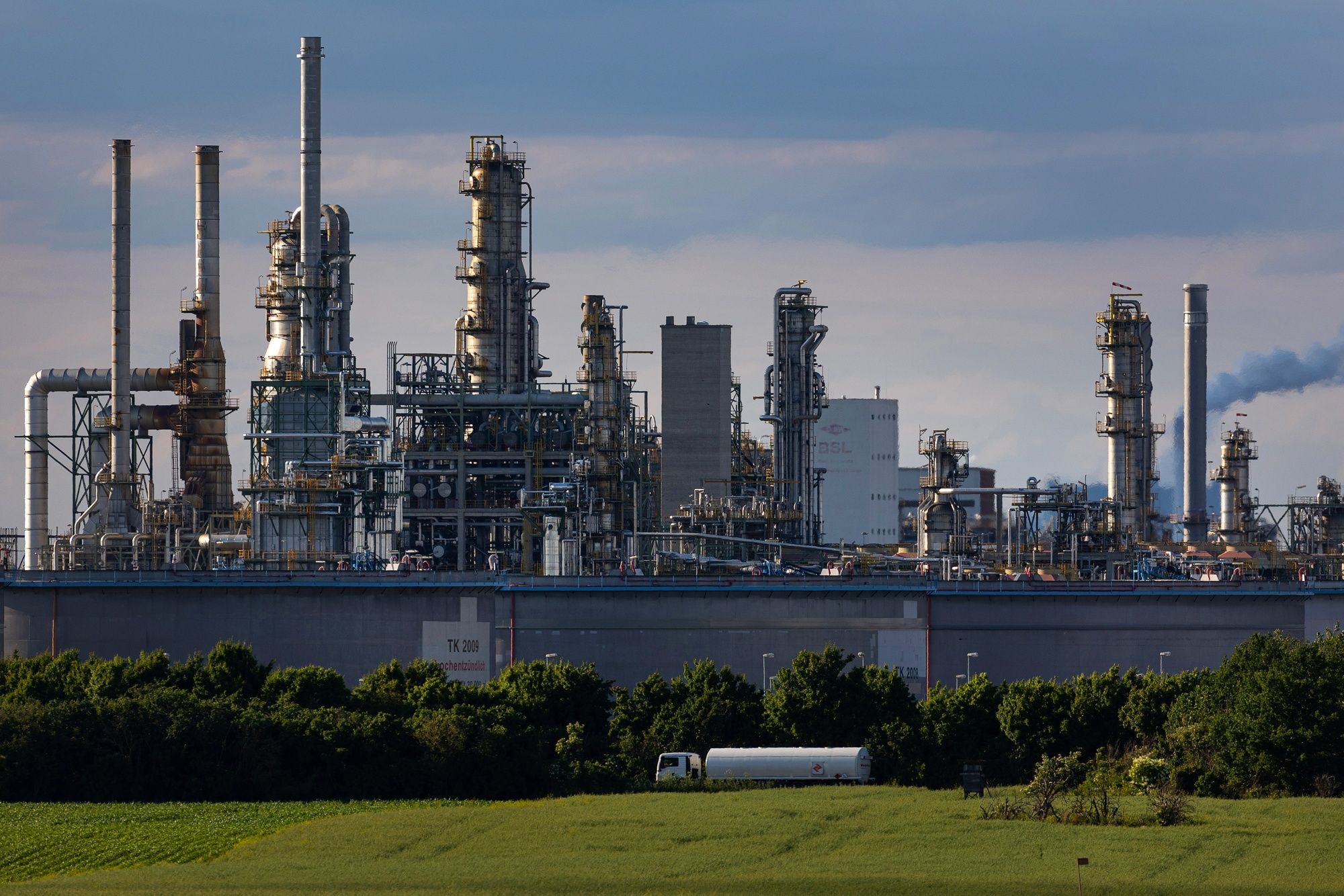
(Bloomberg) -- Oil rose as investors weighed solid physical market signals against concerns that a global slowdown will erode demand.
West Texas Intermediate futures rose above $110 a barrel, erasing earlier losses, while trading volumes were curtailed by the US Fourth of July holiday. The dollar weakened, making commodities priced in the currency more attractive.
Crude has been buffeted over the past month by indications of an impending recession. Yet there have also been supply outages, with protests disrupting exports in Libya and workers in Norway set to strike, offsetting some of the weakness. Key time spreads also show a robust market.
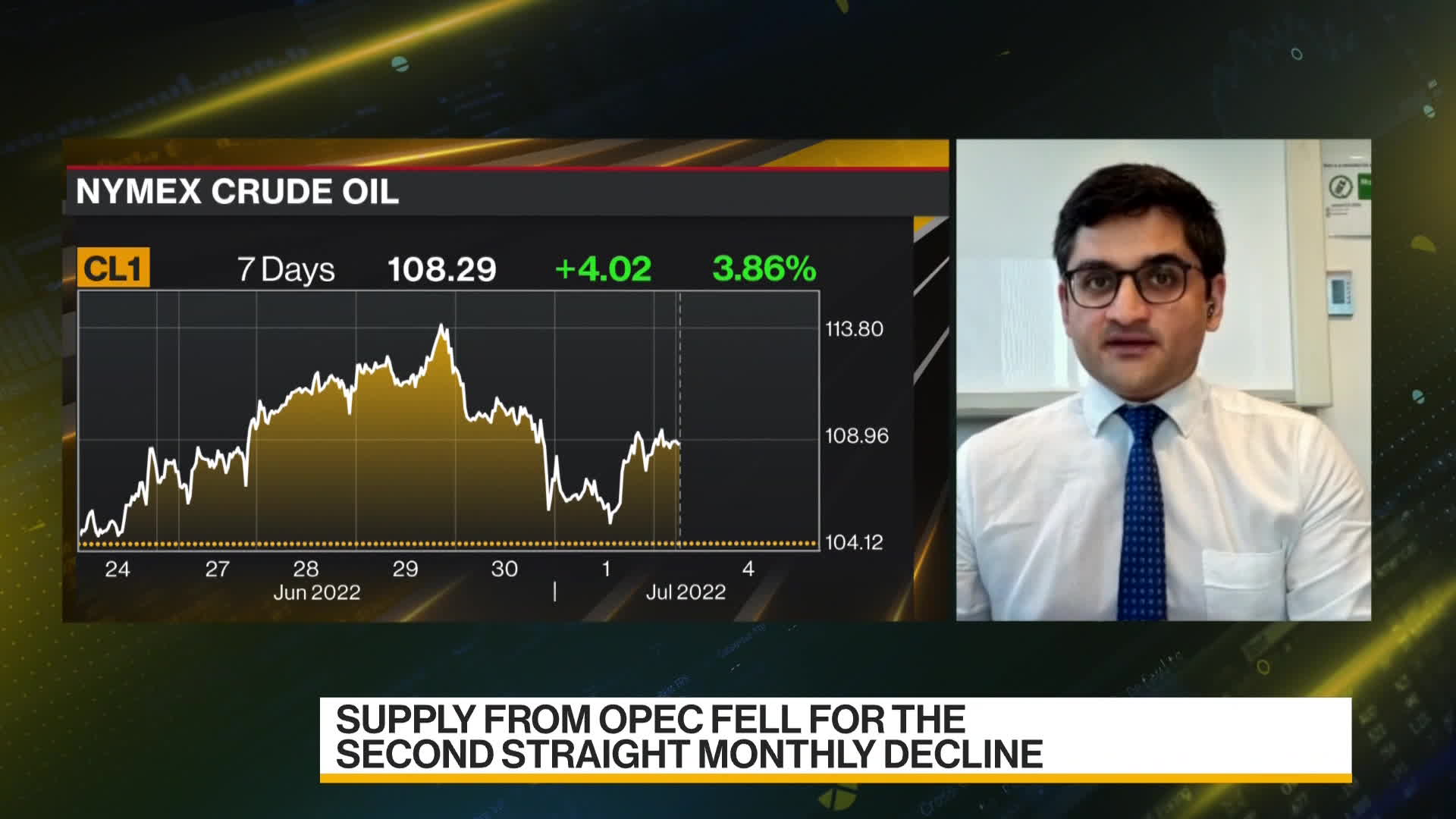
Oil remains more than 40% higher this year after being boosted by the war in Ukraine, which triggered a wave of sanctions on Russian flows. Many product prices are still elevated and Vitol Group, the biggest independent oil trader, warned at the weekend that surging fuel costs are starting to hurt demand.
Lofty gasoline prices are a challenge for President Joe Biden, who has tapped strategic oil reserves and pushed Middle Eastern suppliers to raise output to bring costs down. In a tweet, Biden urged companies running gas stations to lower prices, a post that was criticized by Amazon.com Inc. founder Jeff Bezos.
“Risk-on sentiment and a stronger dollar have helped to lift prices,” said Giovanni Staunovo, a commodity analyst at UBS Group AG. A potential strike in Norway is also adding to supply issues, he said.
Across the oil market there remain signs of strength. Brent is in a backwardation of almost $4 a barrel over its nearest two months -- a bullish structure that indicates scarce supply -- while there has also been tightness in the Middle East as Oman futures surge relative to the regional Dubai benchmark.
Much of the recent strength in oil markets has come in the refined fuels sector. Record dislocations against crude have few quick or easy fixes, Goldman Sachs Group Inc. said in a report.
More stories like this are available on bloomberg.com
©2022 Bloomberg L.P.

-
A New Samvat Wishlist: Inclusive Prosperity And Human Development

India has strengthened its economic foundations through infrastructure, digital access and enterprise. Its next growth chapter must deepen productivity, create better livelihoods and widen participation in prosperity.
-
Love, Sex Aur Dhokha: The Audacious Plot To Spy On Jensen Huang
A Taipei dinner, a Singapore chip buyer and a suspected Chinese asset: inside the alleged spy operation that got close to NVIDIA's Jensen Huang.
-
Ten Things I Learnt This Samvat
Patience can be a trap. Cheap stocks can stay cheap. Leverage can wipe you out. What did Samvat 2082 teach us? Niraj Shah writes on 10 lessons from the year gone by.
-
Talking Points This Week: Tech Nerves, FII Buying, And A Faraway Banking Shock
The global markets are not shining this Diwali. The exception in the large markets is, India.
-
Midterm Rally Lasted A Day. The Hard Reality Of A Divided US May Last Two Years | Opinion
Between a contested AI boom, a debt ceiling that arrives in 2027 and a president with every incentive to act alone, the next two years may prove more volatile than the first day's rally suggests.
-
Blue Wave Will Derail the AI Trade but Won't Dismantle the AI Era | Unhedged Position
The Democrats' sweep of the US Congress will see politics collide with economic forces both over the long and short term.
-
It's Time To Take The GST Council's Bet On Trust Global
Payment records can prove India's services exports, and clear, proportionate rules can bring foreign digital sellers into the tax net.
-
Opinion | India at 38: From Innovation Overperformer to Innovation Powerhouse
India now has 453 VC-backed deep science startups, 18 of them late-stage, after 117 percent growth since 2020. Laurus Labs, at USD 9.3 billion, is the most valuable deep science company in any middle-income economy outside China.
-
Navigating Energy Crossroads: S Jaishankar's Call For Diversified Supply Chains At G20 Ministerial Meeting
As geopolitical fault lines continue to test maritime trade routes and commodity flows, Jaishankar's message remains pertinent: true economic resilience requires open markets, protected transit lines, and a genuine commitment to multilateral cooperation rather than coercion.









