Oil Market Stabilised By Output Cut Vital For India: OPEC
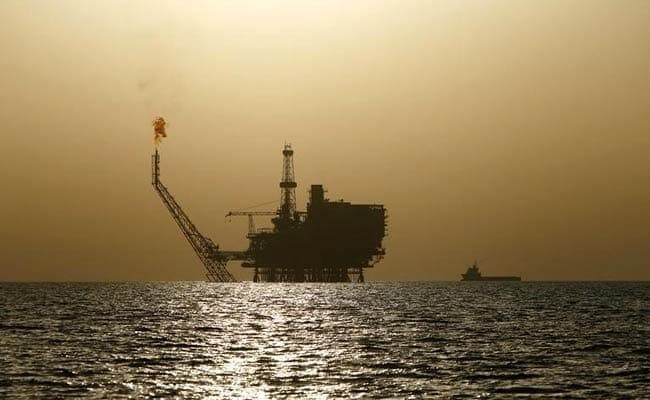
New Delhi: The 13-nation OPEC cartel said on Monday that a stable oil market, which will result from the recent move to cut output, is vital for India as it will guarantee assured supply for the country.
At a meeting in Vienna last week, the Organization of Petroleum Exporting Countries decided to reduce its production by 1.2 million barrels a day, beginning January 1.
"After six months, we will review the decision and we want an equilibrium price then, that will bring stability to the oil market. A stable oil market advantageous for countries like India as it can guarantee them future supply," OPEC Secretary General Mohammed Sanusi Barkindo told reporters here on the sidelines of the Petrotech 2016 hydrocarbon event.
In India alone, oil demand is projected to rise to more than 10 million bpd by 2040 compared to 4.1 million bpd in 2015, he said.
"Such a substantial expansion in India and other fast growing economies in Asia will require supplies from all producing regions. Thankfully, OPEC member countries will play a crucial role in fuelling this dynamic growth. But for this to happen, continued investment in our member countries' energy industries is required," he said.
With non-OPEC countries also agreeing to a production cut of 0.6 million barrels per day, oil prices have regained the psychological $50 a barrel level.
OPEC will be meeting representatives from non-OPEC countries on December 10 in Vienna.
Barkindo said that among the non-OPEC countries, Russia has already guaranteed a production cut, which will cover 50 per cent of the expected share of non-OPEC nations in output reduction.
Meanwhile Indian Petroleum Minister Dharmendra Pradhan on Monday urged OPEC countries to consider striking a balance between the interest of producers and consumers when deciding on output cuts.
Inaugurating the 12th Petrotech conference, he said: "Consumption of petroleum products is price sensitive, as there is a genuine issue of affordability for a sizable population in India and other developing countries.
"Hence, while deciding the pricing aspect of crude oil, it should be factored in that the security of supply must, in turn, be matched by the security of demand."
The Indian basket of crude oils closed trade on Friday at $51.46 a barrel, as per official data.
(This story has not been edited by NDTV staff and is auto-generated from a syndicated feed.)

-
Midterm Rally Lasted A Day. The Hard Reality Of A Divided US May Last Two Years | Opinion

Between a contested AI boom, a debt ceiling that arrives in 2027 and a president with every incentive to act alone, the next two years may prove more volatile than the first day's rally suggests.
-
Blue Wave Will Derail the AI Trade but Won't Dismantle the AI Era | Unhedged Position
The Democrats' sweep of the US Congress will see politics collide with economic forces both over the long and short term.
-
It's Time To Take The GST Council's Bet On Trust Global
Payment records can prove India's services exports, and clear, proportionate rules can bring foreign digital sellers into the tax net.
-
Opinion | India at 38: From Innovation Overperformer to Innovation Powerhouse
India now has 453 VC-backed deep science startups, 18 of them late-stage, after 117 percent growth since 2020. Laurus Labs, at USD 9.3 billion, is the most valuable deep science company in any middle-income economy outside China.
-
Navigating Energy Crossroads: S Jaishankar's Call For Diversified Supply Chains At G20 Ministerial Meeting
As geopolitical fault lines continue to test maritime trade routes and commodity flows, Jaishankar's message remains pertinent: true economic resilience requires open markets, protected transit lines, and a genuine commitment to multilateral cooperation rather than coercion.
-
Indians Are Travelling, But Not Every Journey Is A Holiday | The Week In Whys
Pilgrims, patients and working women are the real travellers, and the system hasn't quite caught up with them.
-
Getting To Work Costs Women More | The Reason Why
It is not just about women paying more than men. It is about women paying much more in cities than in villages.
-
AI Bias In Investing Cannot Be Eliminated, But It Can Be Governed
Framing is a particularly important example as identical financial information presented in terms of gains rather than losses can lead an LLM to reach a different assessment.
-
Joining The Dots | Dark Skies, Steady Diya: Why Hope Holds This Diwali
With war, a weak rupee and foreign outflows weighing on sentiment, policymakers at the NDTV World Summit and market veterans at NDTV Profit Ignite: Diwali Edition offered the same advice: stay invested and filter out the noise.









