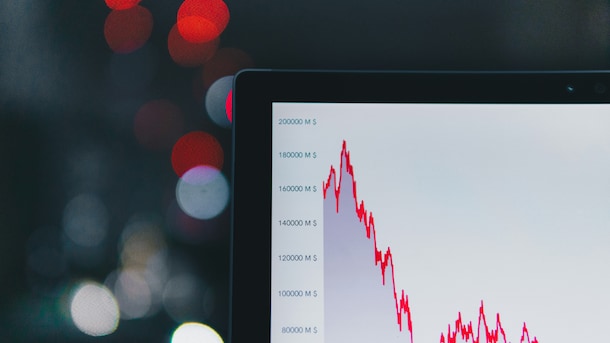
Oil Holds Gains On Hopes For Non-OPEC Output Cuts

Tokyo: Oil prices were steady on Friday, holding around 2-percent gains from the previous session on optimism that non-OPEC producers might agree to cut output following a cartel agreement to limit production.
Brent and U.S. benchmarks climbed on Thursday after the former secretary general of the Organization of the Petroleum Exporting Countries made comments supportive of non-member production cuts.
Russia has so far said it would cut 300,000 barrels per day, meaning other non-OPEC producers combined would need to pledge the same amount to lower output by the 600,000 bpd OPEC wants - half the reduction OPEC is making.
"An agreement by non-OPEC members to cut production is achievable, given support from Russia and a number of countries facing structural output declines," BMI Research said in a note.
"However, the pace of these declines alongside technical challenges surrounding Russian production suggests the 600,000 bpd target will be difficult to achieve in full."
London Brent crude for February delivery was down 5 cents at $53.84 a barrel by 0335 GMT, after settling up 89 cents on Thursday following two days of declines.
NYMEX crude for January delivery was up 7 cents at $50.91 a barrel, after closing up $1.07 on Thursday. Both contracts are set for a weekly decline of around 1 percent.
OPEC has agreed to slash production by 1.2 million bpd in the first half of 2017, a deal that bolstered crude futures despite doubts over whether the amount was enough and whether the cuts would be effectively implemented.
It will meet non-OPEC nations in Vienna on Saturday seeking their help in curbing the global supply glut. Azerbaijan has said it would come to the Austrian capital armed with proposals for its own reduction.
Meanwhile, Saudi Arabia and Iraq will supply full contractual volumes of crude oil to Asian buyers in January despite OPEC's decision to cut production, sources said on Friday.
Venezuelan President Nicolas Maduro said on Thursday he had agreed with Iran to call for a summit of heads of state from OPEC and non-OPEC countries in the first quarter of next year to decide on strategy for the oil market.
(This story has not been edited by NDTV staff and is auto-generated from a syndicated feed.)

-
Talking Points This Week: Tech Nerves, FII Buying, And A Faraway Banking Shock

The global markets are not shining this Diwali. The exception in the large markets is, India.
-
Midterm Rally Lasted A Day. The Hard Reality Of A Divided US May Last Two Years | Opinion
Between a contested AI boom, a debt ceiling that arrives in 2027 and a president with every incentive to act alone, the next two years may prove more volatile than the first day's rally suggests.
-
Blue Wave Will Derail the AI Trade but Won't Dismantle the AI Era | Unhedged Position
The Democrats' sweep of the US Congress will see politics collide with economic forces both over the long and short term.
-
It's Time To Take The GST Council's Bet On Trust Global
Payment records can prove India's services exports, and clear, proportionate rules can bring foreign digital sellers into the tax net.
-
Opinion | India at 38: From Innovation Overperformer to Innovation Powerhouse
India now has 453 VC-backed deep science startups, 18 of them late-stage, after 117 percent growth since 2020. Laurus Labs, at USD 9.3 billion, is the most valuable deep science company in any middle-income economy outside China.
-
Navigating Energy Crossroads: S Jaishankar's Call For Diversified Supply Chains At G20 Ministerial Meeting
As geopolitical fault lines continue to test maritime trade routes and commodity flows, Jaishankar's message remains pertinent: true economic resilience requires open markets, protected transit lines, and a genuine commitment to multilateral cooperation rather than coercion.
-
Indians Are Travelling, But Not Every Journey Is A Holiday | The Week In Whys
Pilgrims, patients and working women are the real travellers, and the system hasn't quite caught up with them.
-
Getting To Work Costs Women More | The Reason Why
It is not just about women paying more than men. It is about women paying much more in cities than in villages.
-
AI Bias In Investing Cannot Be Eliminated, But It Can Be Governed
Framing is a particularly important example as identical financial information presented in terms of gains rather than losses can lead an LLM to reach a different assessment.