NTPC-Power Grid Sign Agreement For National Electricity Distribution Company
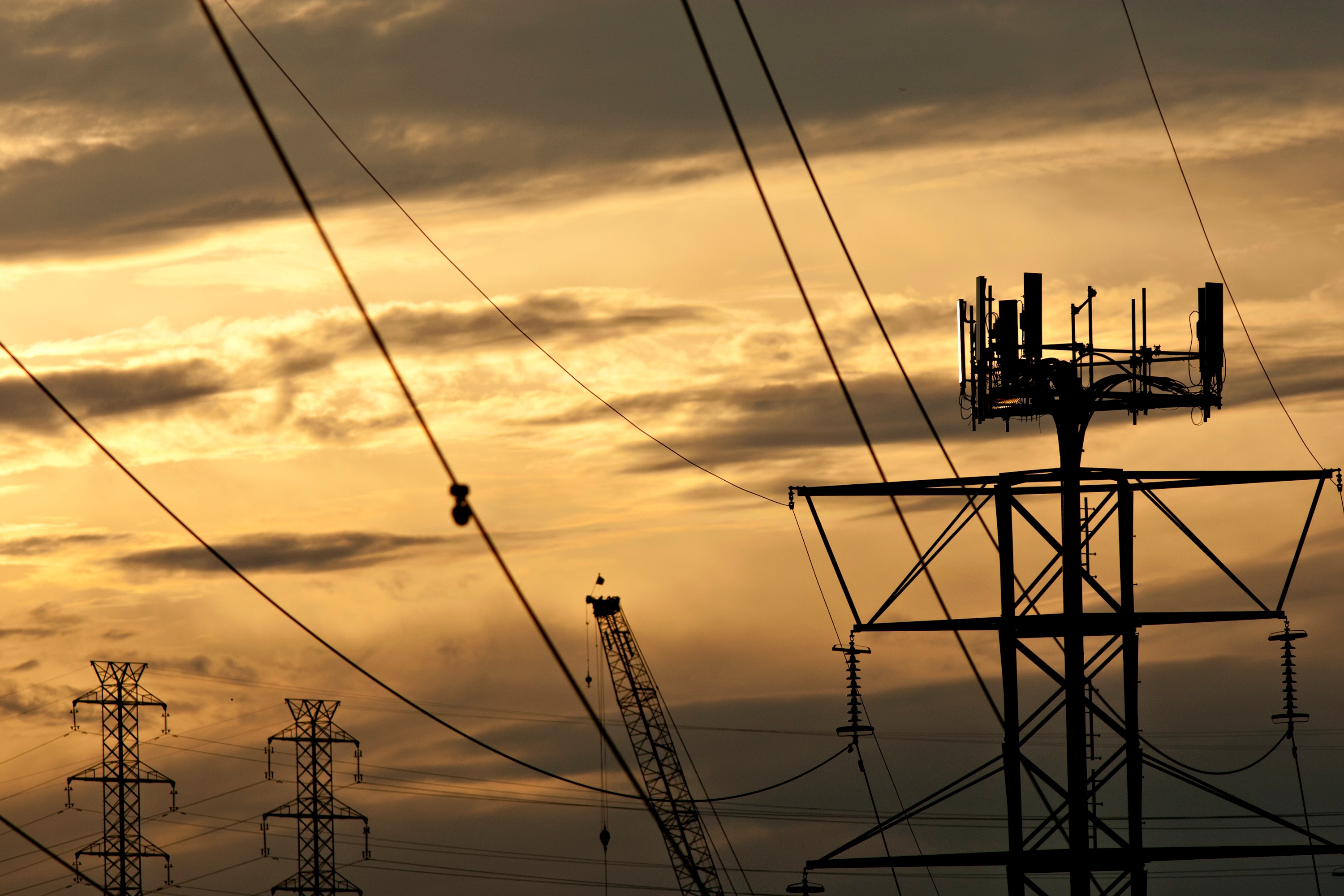
The idea of a National Electricity Distribution Company, which has been under consideration for some time now, is moving forward with two of India's government-owned power firms signing an agreement to set it up.
NTPC Ltd. and Power Grid Corporation of India Ltd. have signed an agreement to set up the National Electricity Distribution Company as a 50-50 joint venture, PGCIL said in a post on its official twitter handle. No details of the plan were available.
An agreement has been signed with @ntpclimited for setting up National Electricity Distribution Company Ltd. (NEDCL) through JVC on 50:50 equity basis. Main aim is to undertake business for distribution of electricity in distribution circles of India & related activities. pic.twitter.com/dEhzvlIp4R
June 21, 2019The idea of a National Electricity Discom has been mooted as a way to ensure that large cross-country organisations can source electricity from this distribution company rather than having to do it through state discoms.
In a conversation with BloombergQuint last year, Vinayak Chatterjee, chairman of Feedback Infra, an infrastructure services company, had explained that a national distribution company could pick up surplus power, after state distribution companies have consumed what they need, and sell it to central government entities such as railways.
The idea had met some resistance.
If you take away the better customers or the best paying customers out of (state) discoms, then indirectly we will be shutting down the discoms, said Ajay Kumar Bhalla, secretary in the Ministry of Power had explained.
To be sure, details of how the national discom would work and how state-level electricity discoms would be protected from loss of business are yet to emerge.
State electricity discoms have been attempting to improve their improve under the UDAY scheme in November 2015. As part of the scheme, some part of the debt that had built-up on the books of these discoms was transferred to states and a programme of improving transmission and distribution processes was undertaken.
While these discoms have not achieved targets set for financial year 2018-19 under UDAY, there has been substantial improvement nevertheless, said Credit Suisse in a report earlier this week. “AT&C (aggregate technical and commercial) losses have reduced to 18.7 percent in FY18 from 20.7 percent levels in FY16. Reduction is quite broad based across states suggesting that improvements are sustainable,” the report said.
However, UDAY's aim of augmenting distribution infrastructure is progressing at a slow pace, said Credit Suisse. “Feeder segregation is complete in many states like Andhra Pradesh, Karnataka, Madhya Pradesh and Maharashtra, while Uttar Pradesh is making rapid progress. Distribution transformer metering is lagging. Rajasthan seems to be doing worst and has limited progress in AT&C loss reduction,” the brokerage house explained.
Feeder separation refers to the supply of electricity to agricultural and non-agricultural consumers (domestic and non-domestic) separately through dedicated feeders.
Chatterjee had explained that improving the performance of distribution companies is critical to the overall health of the power sector. A national discom would be a step in that direction.

-
Unhedged Position | Blue Wave Will Derail the AI Trade but Won't Dismantle the AI Era

The Democrats' sweep of the US Congress will see politics collide with economic forces both over the long and short term.
-
It's Time To Take The GST Council's Bet On Trust Global
Payment records can prove India's services exports, and clear, proportionate rules can bring foreign digital sellers into the tax net.
-
Opinion | India at 38: From Innovation Overperformer to Innovation Powerhouse
India now has 453 VC-backed deep science startups, 18 of them late-stage, after 117 percent growth since 2020. Laurus Labs, at USD 9.3 billion, is the most valuable deep science company in any middle-income economy outside China.
-
Navigating Energy Crossroads: S Jaishankar's Call For Diversified Supply Chains At G20 Ministerial Meeting
As geopolitical fault lines continue to test maritime trade routes and commodity flows, Jaishankar's message remains pertinent: true economic resilience requires open markets, protected transit lines, and a genuine commitment to multilateral cooperation rather than coercion.
-
Indians Are Travelling, But Not Every Journey Is A Holiday | The Week In Whys
Pilgrims, patients and working women are the real travellers, and the system hasn't quite caught up with them.
-
Getting To Work Costs Women More | The Reason Why
It is not just about women paying more than men. It is about women paying much more in cities than in villages.
-
AI Bias In Investing Cannot Be Eliminated, But It Can Be Governed
Framing is a particularly important example as identical financial information presented in terms of gains rather than losses can lead an LLM to reach a different assessment.
-
Joining The Dots | Dark Skies, Steady Diya: Why Hope Holds This Diwali
With war, a weak rupee and foreign outflows weighing on sentiment, policymakers at the NDTV World Summit and market veterans at NDTV Profit Ignite: Diwali Edition offered the same advice: stay invested and filter out the noise.
-
The Curious Case of Equitas Small Finance Bank And A CEO Who Quit For Stock
PN Vasudevan believes persistent investor concerns over a perceived conflict of interest had become a governance overhang on Equitas Small Finance Bank's stock, even as the lender improved profitability and asset quality.










