New Pilot Duty Rules To Be Rolled Out In Two Phases: DGCA Tells Delhi High Court
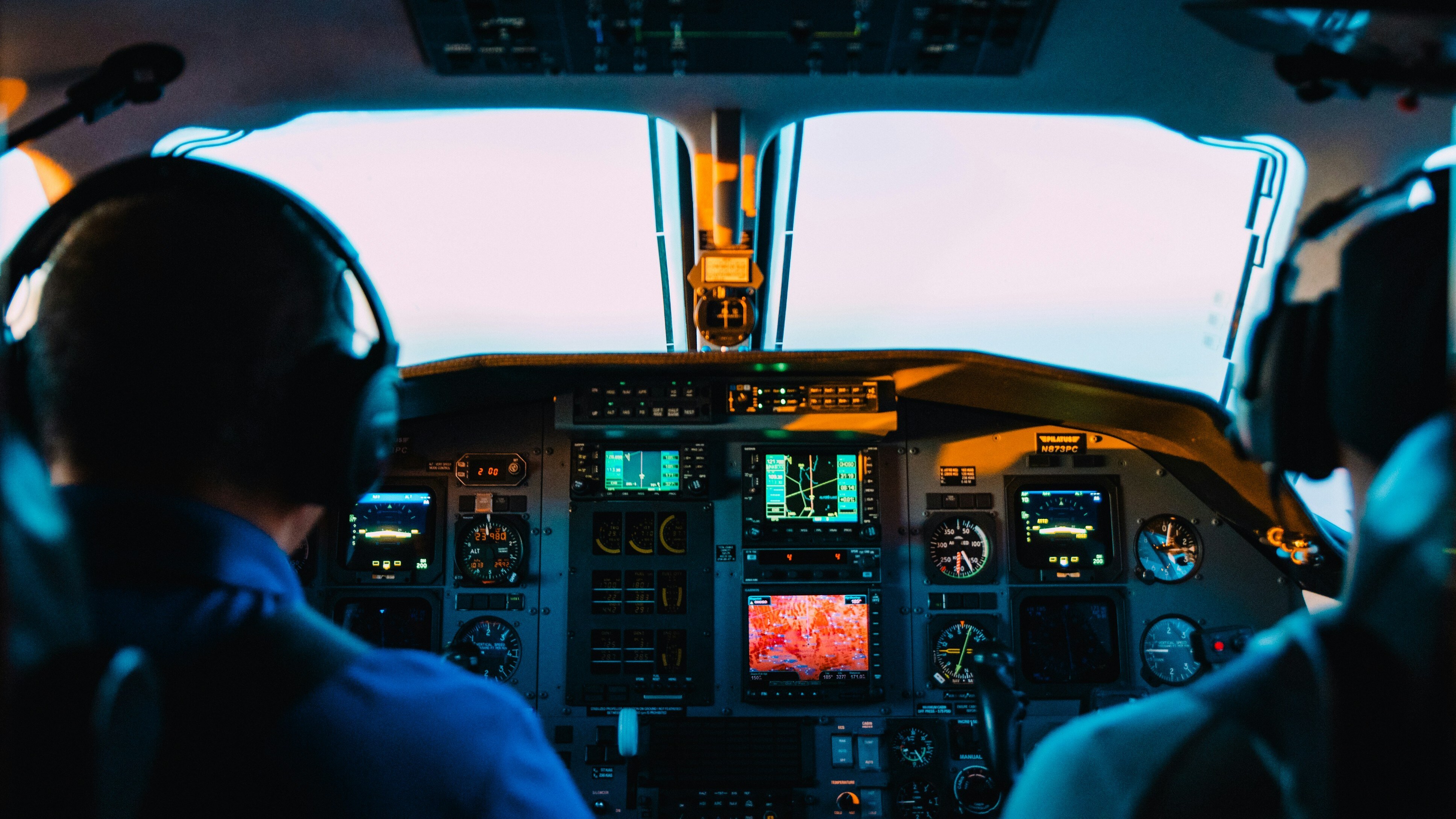
The aviation regulator urged the Delhi High Court on Thursday to dismiss a writ petition filed by unions, contending that a two-phased timeline had been set to ensure adequate rest for pilots in order to minimise the risk of untoward incidents, while maintaining operational stability for airlines.
The Directorate General of Civil Aviation submitted a detailed plan to the high court for enforcing the revised rules from July.
"Out of 22 clauses, 15 clauses would be implemented from 01.07.2025 and the remaining 7 clauses would be rolled out from 01.11.2025," the DGCA said in an affidavit signed by Assistant Director (Operations) Himanshu Srivastava.
The 15 clauses that will be implemented from July include the extended rest period, while seven clauses that will take effect on Nov. 1 are related to night duty, according to the affidavit.
In January last year, the DGCA introduced new pilot duty norms, including increasing weekly rest from 36 to 48 hours and limiting the number of night flights a pilot can operate. However, these changes were put on hold due to severe resistance from airlines, forcing pilots' unions to approach the court. After several rounds of court-ordered mediation with airlines and pilot associations, the aviation regulator agreed to a staggered implementation of its proposed flight duty time limitation or the FDTL norms.
The revised rules limit night flight time to eight hours and allow for a maximum of two landings. The definition of the night period has been altered to span from midnight to 6 a.m., an extension from the previous midnight to 5 a.m. Airlines had warned that this expanded night window could lead to severe operational disruptions.
Pilots operating on ultra-long-range routes will be guaranteed a minimum of 120 hours without any duties, as per the revised norms. In the event of unexpected delays, flight time may be extended by a maximum of one hour, and the flight duty period may be extended by up to two hours. However, there will be limits in place to manage cumulative fatigue.
Budget carriers Indigo and SpiceJet opposed the changes to night duty regulation. Airlines had even warned that the rules would "force" them to cancel 20% of the flights at the peak of the summer travel season.
Many pilots rue that due to increased international flying, the quantum of night flying had increased exponentially without adequate rest. Several pilot bodies, including the Federation of Indian Pilots, Air India Pilots' Union, Indian Commercial Pilots' Association and the Indian Pilots Guild, filed a writ petition in the high court in 2019 against the norms formulated by the regulator on pilot duty and rest hours.
The Federation of Indian Airlines, an industry body, had opposed the new norms on the ground that the six-month timeline for implementation was "inadequate" as enhanced rest meant airlines would now need to hire 10–20% more pilots, failing which there would be flight cancellations.
In April 2024, the DGCA had asked Indian carriers to suggest a timeline to prepare and implement the new FDTL norms for pilots.
In its affidavit, the DGCA urged the court to consider the revised plan as the final roadmap for implementing Civil Aviation Requirements Section 7 Part III under the Aircraft Act of 1934. The plan was set after considering stakeholder input, expert committee opinions, and national and international deliberations, according to the DGCA. "It is therefore most humbly prayed that the writ petition be disposed of and till such time the existing CAR be directed to be in operation."
The high court will hear the matter next on Feb. 24.

-
Midterm Rally Lasted A Day. The Hard Reality Of A Divided US May Last Two Years | Opinion

Between a contested AI boom, a debt ceiling that arrives in 2027 and a president with every incentive to act alone, the next two years may prove more volatile than the first day's rally suggests.
-
Blue Wave Will Derail the AI Trade but Won't Dismantle the AI Era | Unhedged Position
The Democrats' sweep of the US Congress will see politics collide with economic forces both over the long and short term.
-
It's Time To Take The GST Council's Bet On Trust Global
Payment records can prove India's services exports, and clear, proportionate rules can bring foreign digital sellers into the tax net.
-
Opinion | India at 38: From Innovation Overperformer to Innovation Powerhouse
India now has 453 VC-backed deep science startups, 18 of them late-stage, after 117 percent growth since 2020. Laurus Labs, at USD 9.3 billion, is the most valuable deep science company in any middle-income economy outside China.
-
Navigating Energy Crossroads: S Jaishankar's Call For Diversified Supply Chains At G20 Ministerial Meeting
As geopolitical fault lines continue to test maritime trade routes and commodity flows, Jaishankar's message remains pertinent: true economic resilience requires open markets, protected transit lines, and a genuine commitment to multilateral cooperation rather than coercion.
-
Indians Are Travelling, But Not Every Journey Is A Holiday | The Week In Whys
Pilgrims, patients and working women are the real travellers, and the system hasn't quite caught up with them.
-
Getting To Work Costs Women More | The Reason Why
It is not just about women paying more than men. It is about women paying much more in cities than in villages.
-
AI Bias In Investing Cannot Be Eliminated, But It Can Be Governed
Framing is a particularly important example as identical financial information presented in terms of gains rather than losses can lead an LLM to reach a different assessment.
-
Joining The Dots | Dark Skies, Steady Diya: Why Hope Holds This Diwali
With war, a weak rupee and foreign outflows weighing on sentiment, policymakers at the NDTV World Summit and market veterans at NDTV Profit Ignite: Diwali Edition offered the same advice: stay invested and filter out the noise.









