Musk’s Everything App ‘X’ Sounds A Lot Like China’s WeChat
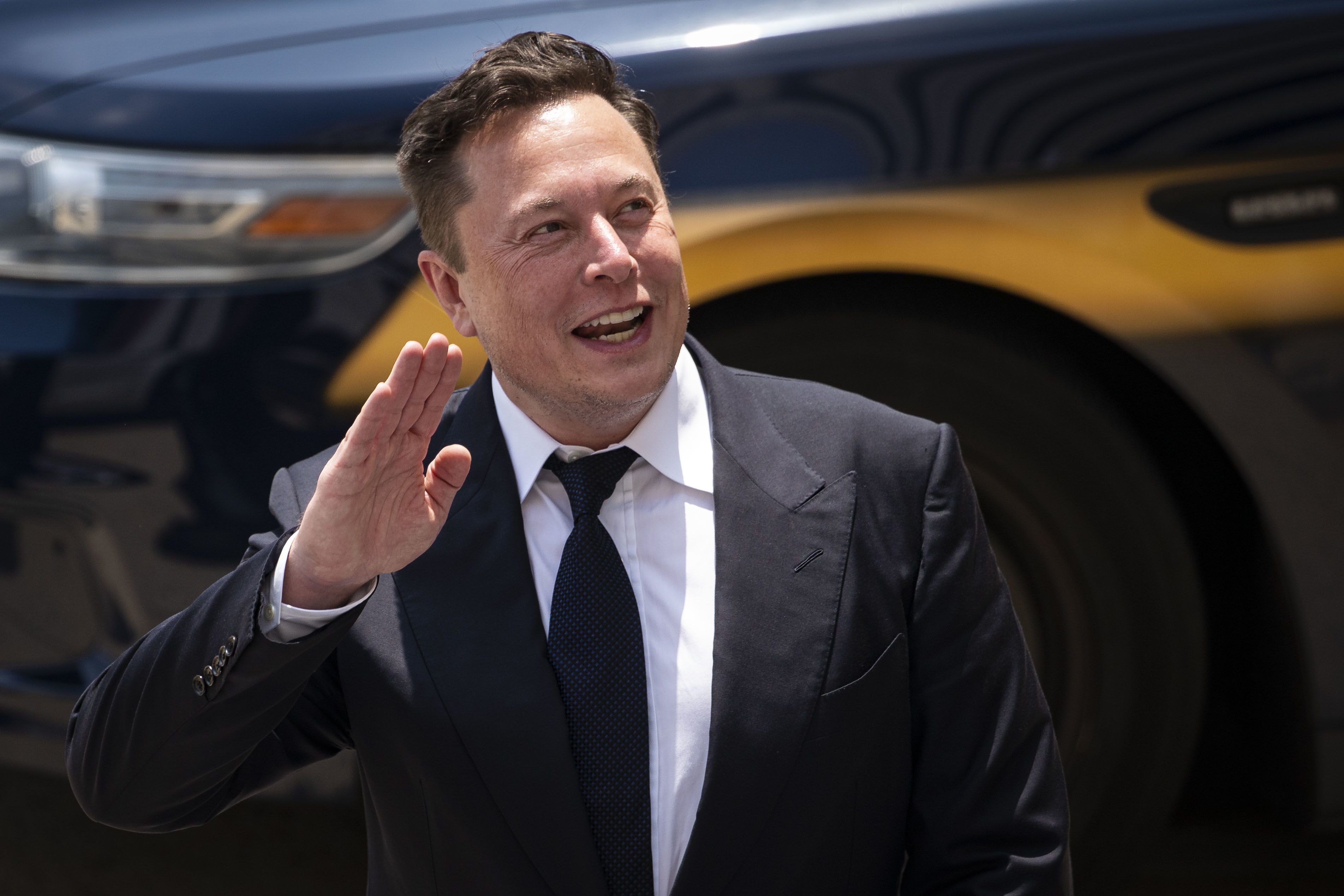
(Bloomberg) -- Elon Musk has teased something called “X, the everything app” after he buys Twitter Inc. Based on the billionaire's past comments, that service could look a lot like Chinese super-app WeChat.
Musk didn't provide many details beyond a one-line tweet. But the Tesla Inc. impresario has openly admired the Tencent Holdings Ltd. app that's grown from a messaging service to a mini-internet used daily by more than a billion Chinese.
He's mused aloud about making Twitter more useful, indicating he wants it to be more like WeChat and TikTok, the video-sharing service owned by ByteDance Ltd. that's taken off across the US. And he's drawn parallels to so-called super apps common in parts of Asia, letting people use a single smartphone application for a range of services from communications to summoning a car.
Here're five things about WeChat that could serve as a template for Musk:
- It's much more than social media. A true super-app, hundreds of millions use WeChat daily to book rides, make dining reservations, order food. That's possible through a vibrant network of “mini programs” or lite apps that connect directly to WeChat's interface.
- WeChat is a fintech titan, one of China's biggest payments and online finance networks. Users send each other money, pay for goods and services, and even borrow money.
- It's one of the country's most popular news and entertainment portals. As in the US, many younger users increasingly get much of their news through their social media feeds, just even more so in China.
- Businesses use it too. The WeChat mini-programs economy is worth roughly $240 billion and grew about 12.5% to 450 million users in 2021.
- In short, WeChat functions as an all-in-one service -- combining the uses of apps like Facebook, Twitter, Uber, Instagram and Substack.
At Tesla's annual shareholder meeting in August, Musk stressed that he uses Twitter a lot and that he has ideas on ways to make the platform “radically better.” He compared his ambitions for Twitter with the vision he had for X, a financial services company he co-founded in 1999.
There's one thing though that Musk -- an advocate for internet freedoms -- is unlikely to take a page from. WeChat is heavily monitored and censored: armies of AI and human moderators help ensure it's clean of content the ruling Communist Party deems undesirable. That's everything from lewd posts to dissent and criticism of the government.
More stories like this are available on bloomberg.com
©2022 Bloomberg L.P.

-
Love, Sex Aur Dhokha: The Audacious Plot To Spy On Jensen Huang

A Taipei dinner, a Singapore chip buyer and a suspected Chinese asset: inside the alleged spy operation that got close to NVIDIA's Jensen Huang.
-
Ten Things I Learnt This Samvat
Patience can be a trap. Cheap stocks can stay cheap. Leverage can wipe you out. What did Samvat 2082 teach us? Niraj Shah writes on 10 lessons from the year gone by.
-
Talking Points This Week: Tech Nerves, FII Buying, And A Faraway Banking Shock
The global markets are not shining this Diwali. The exception in the large markets is, India.
-
Midterm Rally Lasted A Day. The Hard Reality Of A Divided US May Last Two Years | Opinion
Between a contested AI boom, a debt ceiling that arrives in 2027 and a president with every incentive to act alone, the next two years may prove more volatile than the first day's rally suggests.
-
Blue Wave Will Derail the AI Trade but Won't Dismantle the AI Era | Unhedged Position
The Democrats' sweep of the US Congress will see politics collide with economic forces both over the long and short term.
-
It's Time To Take The GST Council's Bet On Trust Global
Payment records can prove India's services exports, and clear, proportionate rules can bring foreign digital sellers into the tax net.
-
Opinion | India at 38: From Innovation Overperformer to Innovation Powerhouse
India now has 453 VC-backed deep science startups, 18 of them late-stage, after 117 percent growth since 2020. Laurus Labs, at USD 9.3 billion, is the most valuable deep science company in any middle-income economy outside China.
-
Navigating Energy Crossroads: S Jaishankar's Call For Diversified Supply Chains At G20 Ministerial Meeting
As geopolitical fault lines continue to test maritime trade routes and commodity flows, Jaishankar's message remains pertinent: true economic resilience requires open markets, protected transit lines, and a genuine commitment to multilateral cooperation rather than coercion.
-
Indians Are Travelling, But Not Every Journey Is A Holiday | The Week In Whys
Pilgrims, patients and working women are the real travellers, and the system hasn't quite caught up with them.









