Here's Why Mukesh Ambani Is Betting On Blockchain Technology
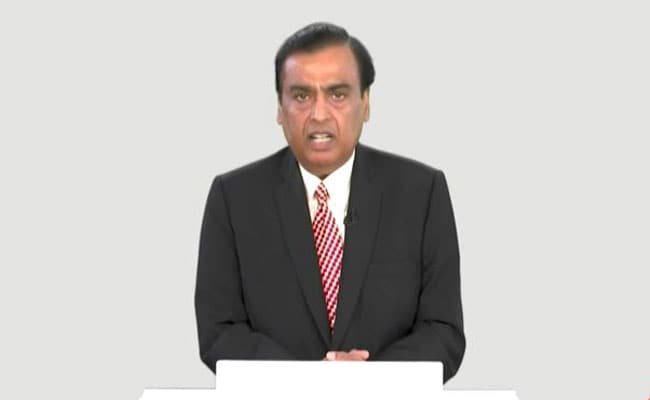
The chairman and managing director of Reliance Industries (RIL), Mukesh Ambani, has endorsed the Indian government's proposed data privacy and cryptocurrency legislation. Mr Ambani, a proponent of Indians owning and controlling their own data and the country crafting strong laws around how digital information is handled and shared, said India was implementing the most forward-thinking policies and regulations. India's richest man also stated that he believes in blockchain technology, claiming that it can provide unprecedented security, trust, automation, and efficiency to nearly any form of transaction. He said these a few days ago during an interview at Infinity Forum, a financial technology event.
The government is planning to introduce a bill in Parliament that will classify cryptocurrencies as financial assets while protecting small investors. The bill is likely to set a minimum amount for investing in cryptocurrencies while prohibiting their use as legal tender.
Mr Ambani believes that the country is on the “right track” when it comes to “introducing the data privacy bill, and the cryptocurrency bill”. Here are some more reasons for Mr Ambani backing cryptocurrency and blockchain technology:
Believer in blockchain technology: Mr Ambani is a big believer in blockchain technology, which, he feels, is different from cryptocurrency. According to him, “blockchain is very important for a trust-based equitable society”, and can be used to modernise the supply chains that form the lifeblood of the economy.
Data is the “new oil”: He also said that data was the “new oil”, but, then went on to differentiate it from “the traditional oil”. Ambani said that while traditionally oil was extracted only at a few places, thus generating income only for select countries, data can be generated and consumed anywhere and by anyone, and can create value equitably, across sectors, geographies, and across economic boundaries.
Digital-first revolution: Mr Ambani reiterated that technology will transform the world, and said that this was the digital-first revolution. In this, digital will be the way of life for people, which will be used in every technology. Five or six different types of technology will merge and revolutionise the entire planet.
On the agenda of the current winter session of Parliament is the introduction of a bill prohibiting all private cryptocurrencies, with certain exceptions to promote the underlying technology of cryptocurrency and its purposes.
Even though the government is considering taxing gains from cryptocurrency investments, the Reserve Bank of India wants to outright ban digital assets because they threaten the country's macroeconomic and financial stability.

-
Ten Things I Learnt This Samvat

Patience can be a trap. Cheap stocks can stay cheap. Leverage can wipe you out. What did Samvat 2082 teach us? Niraj Shah writes on 10 lessons from the year gone by.
-
Talking Points This Week: Tech Nerves, FII Buying, And A Faraway Banking Shock
The global markets are not shining this Diwali. The exception in the large markets is, India.
-
Midterm Rally Lasted A Day. The Hard Reality Of A Divided US May Last Two Years | Opinion
Between a contested AI boom, a debt ceiling that arrives in 2027 and a president with every incentive to act alone, the next two years may prove more volatile than the first day's rally suggests.
-
Blue Wave Will Derail the AI Trade but Won't Dismantle the AI Era | Unhedged Position
The Democrats' sweep of the US Congress will see politics collide with economic forces both over the long and short term.
-
It's Time To Take The GST Council's Bet On Trust Global
Payment records can prove India's services exports, and clear, proportionate rules can bring foreign digital sellers into the tax net.
-
Opinion | India at 38: From Innovation Overperformer to Innovation Powerhouse
India now has 453 VC-backed deep science startups, 18 of them late-stage, after 117 percent growth since 2020. Laurus Labs, at USD 9.3 billion, is the most valuable deep science company in any middle-income economy outside China.
-
Navigating Energy Crossroads: S Jaishankar's Call For Diversified Supply Chains At G20 Ministerial Meeting
As geopolitical fault lines continue to test maritime trade routes and commodity flows, Jaishankar's message remains pertinent: true economic resilience requires open markets, protected transit lines, and a genuine commitment to multilateral cooperation rather than coercion.
-
Indians Are Travelling, But Not Every Journey Is A Holiday | The Week In Whys
Pilgrims, patients and working women are the real travellers, and the system hasn't quite caught up with them.
-
Getting To Work Costs Women More | The Reason Why
It is not just about women paying more than men. It is about women paying much more in cities than in villages.









