MRP, Other Details Must For Items Sold Online
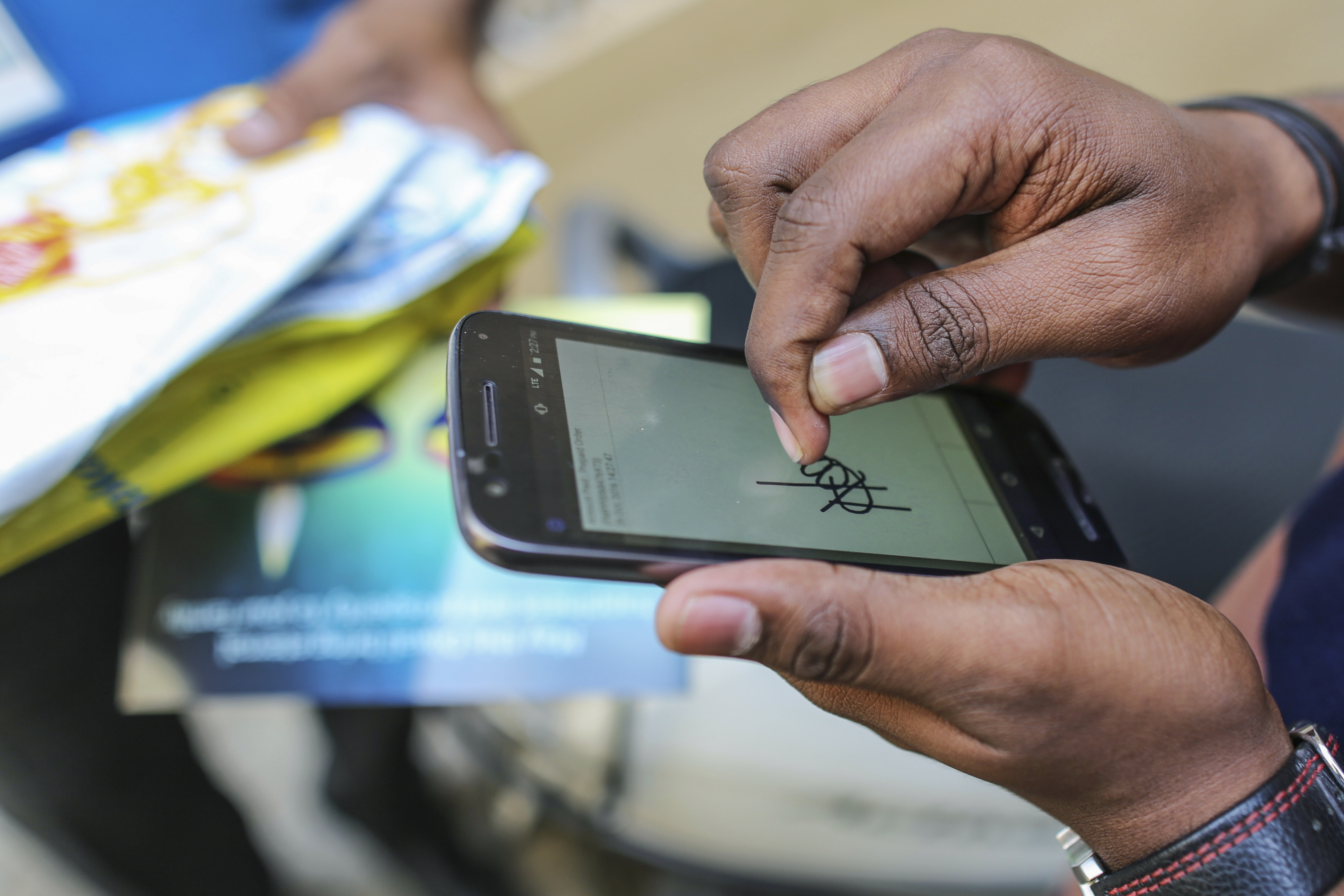
To protect online consumers, the Centre has made it mandatory from today for e-commerce firms to print not only the maximum retail price on goods but also information like expiry date and customer care details.
The consumer affairs ministry had made the amendments in this regard to the Legal Metrology (packaged commodities) Rules in June 2017. The companies were given a six-month deadline to comply with the new rule.
"Amendment made in the Legal Metrology (Packaged Commodities) Rules, 2011 to safeguard the interest of consumers and ease of doing business will come into force with effect from Jan. 1, 2018," the ministry said in a statement today.
As per the amendments, goods displayed by the seller on e-commerce platform should contain declarations required under the rules. Along with MRP, the companies have to display the manufacturing date, expiry date, net quantity, country of origin and consumer care details on the label. "Size of letters and numerals for making declaration is increased, so that consumer can easily read the same," the ministry said.
Specific mention is made in the rules that no person should declare different MRPs (dual MRP) on an identical pre- packaged commodity, it added.
Besides, the government has made the net quantity checking more scientific, while Bar Code/QR Coding has been allowed on a voluntarily basis.
Medical devices, which are declared as drugs, are brought into the purview of declarations to be made under the rules, the ministry statement said.
At present, only MRP is printed on the goods sold online. The changes come in the backdrop of e-marketplaces posing new and complex consumer protection issues with the ministry receiving several complaints as regard to information deficit on online products/goods.
Flipkart, Amazon India, Snapdeal, Grofers and Bigbasket are some of the leading e-marketplaces entities operating in the country.

-
Why Amazon And Flipkart Are Struggling To Beat Meesho In India's Smaller Cities

With 274 million users and lowest-cost logistics, Meesho is defending its value commerce crown against giants like Amazon and Flipkart.
-
High US Salaries, No Green Card Certainty: The Financial Calculation Facing Indian H-1B Families
The suspension of PERM processing at eight technology employers does not cancel existing H-1B visas. What it does is force a question many Indian families have been avoiding: is the US salary worth tying your career and family plans to one employer?
-
Swiggy vs Eternal: Food Delivery's Two Rivals Are No Longer In The Same Race
Eternal is building a private AI assistant, dark.ai. Swiggy is still working out how to make Instamart pay, with an operating loss of Rs 895 crore in the July-September quarter while Blinkit stayed profitable.
-
Where You Live Shapes How You Get To Work | The Reason Why
Two-wheelers are the most popular way to get to work in India, accounting for nearly 43% of workplace commutes.
-
Unhedged Position: Can India See An Indonesia-Style Time Correction?
The Nifty is trading below levels it first clocked in 2024. Is there, then, as I have suggested in the headline, potential that the current time correction drags on painfully for the next three-five, even ten years?
-
Navigating Friction And Energy Realities: An Analysis Of Marco Rubio's October Visit To India
Occurring at a critical juncture marked by stalled trade negotiations and escalating geopolitical pressures over global energy supplies, the visit offers a profound window into modern US-India relations.
-
India Exports Capital. Why Not Export Trusteeship?
The big question, then, is whether India can build an institution that global borrowers, investors, banks, and lawyers can trust, even without an Indian connection.
-
France's Economy & Politics Are In Crisis | The Reason Why
Let's look at how the French economy and politics evolved under Nicolas Sarkozy, Franois Hollande and Emmanuel Macron.
-
You May Inherit The Business. You Must Earn Its Credibility.
Succession tests the founder's ability to share authority as much as it tests the next generation's readiness to assume it.
-
Signing Deals Is One Thing; Making Them Work Is Another | The Week In Whys
Sometimes, things don't turn out as planned. Indian companies have lost some bids to rivals, some projects won't produce until 2030.










