Motor Insurance Sales Fell To Almost Nothing In April, Says ICICI Lombard
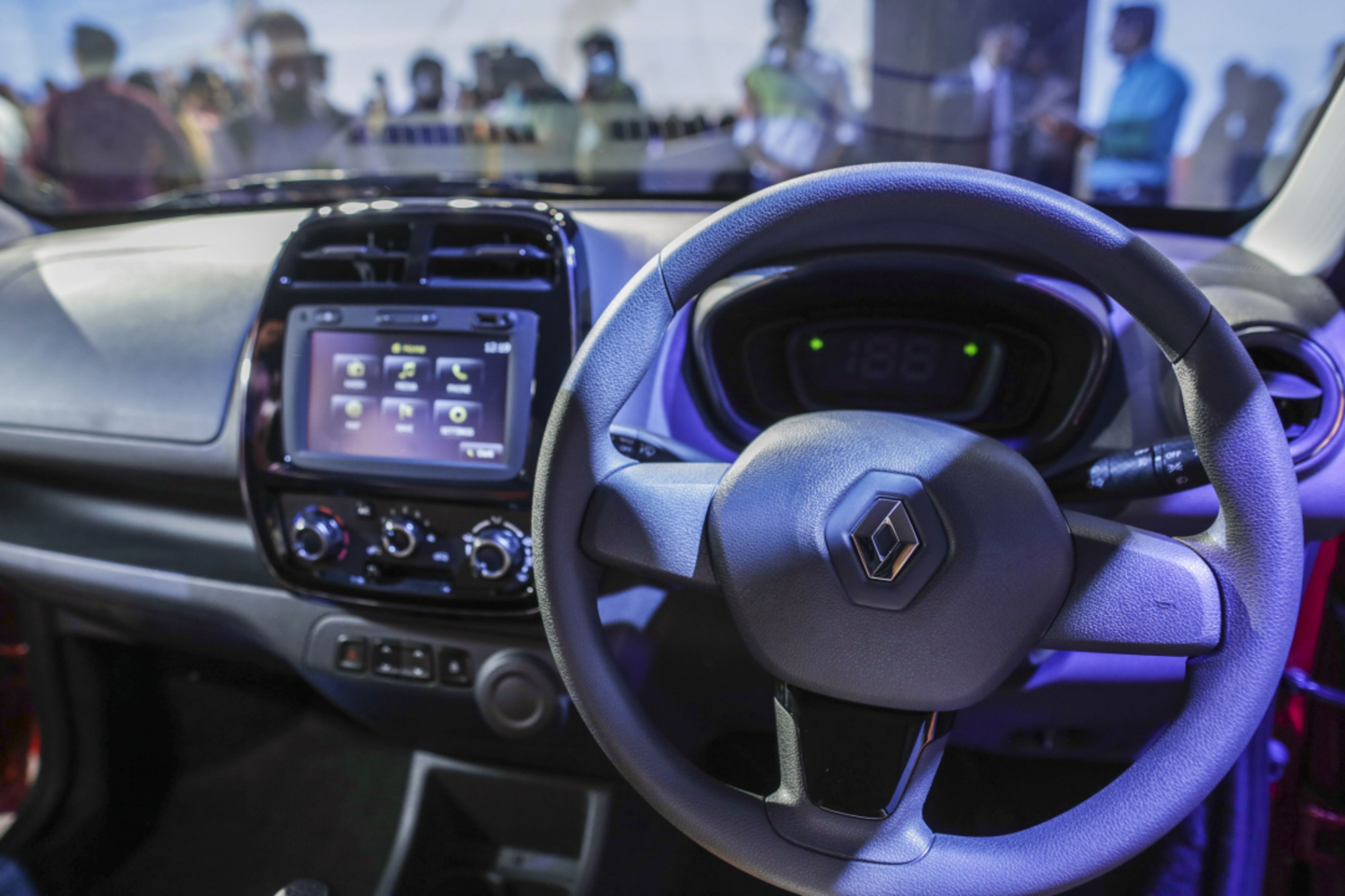
ICICI Lombard General Insurance Company Ltd. couldn't sell any new motor insurance policy last month as buyers stayed away from automobile showrooms amid the nationwide lockdown to tackle the new coronairus pandemic.
“New vehicle sales by original equipment manufacturers were zero in April. So new insurance policy sales had gone down to nothing,” said Bhargav Dasgupta, managing director and chief executive officer at the general insurer. Motor insurance, according to an investor presentation, constituted around 51 percent of ICICI Lombard's product mix in 2019-20.
Renewal of motor insurance policies, however, happened, albeit at a muted pace. “There has been some postponement,” Dasgupta said in a post-earnings interaction with BloombergQuint. He also expects demand for auto insurance to come back as “one needs insurance to drive a vehicle”.
ICICI Lombard's gross premium fell 8.7 percent year-on-year to Rs 3,181 crore in the quarter ended March. Its profit after tax, however, rose 23.8 percent over last year to Rs 282 crore.
In this current scenario, Dasgupta said any kind of fiscal support would be important. “I would urge the government to consider a vehicle scrappage policy, whenever they come out with a package. It will go a long way in helping the auto industry,” he said.
The company, on the other hand, saw “reasonable” growth in health insurance. “On the indemnity side, demand is reasonably stable, people are renewing and inquires have increased,” Dasgupta said. “But the rate of conversion of inquiries has dropped as people are delaying the decision to buy.”
Key highlights from the conversation:
- While the company has a large exposure on the debt side, 10-11 percent of its exposure lies in equity.
- Due to the economic meltdown, the mark-to-market loss for the company stood at Rs 550 crore.
- Out of this, according to its impairment policy, Rs 120 crore is the diminution in value that the company has taken in its profit and loss account during the quarter.
Watch the full video here:

-
Ten Things I Learnt This Samvat

Patience can be a trap. Cheap stocks can stay cheap. Leverage can wipe you out. What did Samvat 2082 teach us? Niraj Shah writes on 10 lessons from the year gone by.
-
Talking Points This Week: Tech Nerves, FII Buying, And A Faraway Banking Shock
The global markets are not shining this Diwali. The exception in the large markets is, India.
-
Midterm Rally Lasted A Day. The Hard Reality Of A Divided US May Last Two Years | Opinion
Between a contested AI boom, a debt ceiling that arrives in 2027 and a president with every incentive to act alone, the next two years may prove more volatile than the first day's rally suggests.
-
Blue Wave Will Derail the AI Trade but Won't Dismantle the AI Era | Unhedged Position
The Democrats' sweep of the US Congress will see politics collide with economic forces both over the long and short term.
-
It's Time To Take The GST Council's Bet On Trust Global
Payment records can prove India's services exports, and clear, proportionate rules can bring foreign digital sellers into the tax net.
-
Opinion | India at 38: From Innovation Overperformer to Innovation Powerhouse
India now has 453 VC-backed deep science startups, 18 of them late-stage, after 117 percent growth since 2020. Laurus Labs, at USD 9.3 billion, is the most valuable deep science company in any middle-income economy outside China.
-
Navigating Energy Crossroads: S Jaishankar's Call For Diversified Supply Chains At G20 Ministerial Meeting
As geopolitical fault lines continue to test maritime trade routes and commodity flows, Jaishankar's message remains pertinent: true economic resilience requires open markets, protected transit lines, and a genuine commitment to multilateral cooperation rather than coercion.
-
Indians Are Travelling, But Not Every Journey Is A Holiday | The Week In Whys
Pilgrims, patients and working women are the real travellers, and the system hasn't quite caught up with them.
-
Getting To Work Costs Women More | The Reason Why
It is not just about women paying more than men. It is about women paying much more in cities than in villages.









