Morgan Stanley Plans 3,000 More Job Cuts as Dealmaking Slumps

(Bloomberg) -- Morgan Stanley is preparing a fresh round of job cuts amid a renewed focus on expenses as recession fears delay a rebound in dealmaking.
Senior managers are discussing plans to eliminate about 3,000 jobs from the global workforce by the end of this quarter, according to people with knowledge of the matter. That would amount to roughly 5% of staff excluding financial advisers and personnel supporting them within the wealth management division.
The banking and trading group is expected to shoulder many of the reductions, one of the people said. A spokesperson for New York-based Morgan Stanley, which employs about 82,000 people, declined to comment.
The cuts come just months after the firm trimmed about 2% of its workforce. Wall Street's biggest banks offered few reasons for cheer while reporting first-quarter results after seeing their fees from helping companies with takeovers and raising capital — a proxy for the economy's health — slump over the past year. The Federal Reserve's desire to curb inflation through rate hikes and the ensuing regional-banking tumult have further damped activity.
Chief Executive Officer James Gorman said last month underwriting and mergers activity has been subdued and that he doesn't expect a rebound before the second half of this year or 2024.
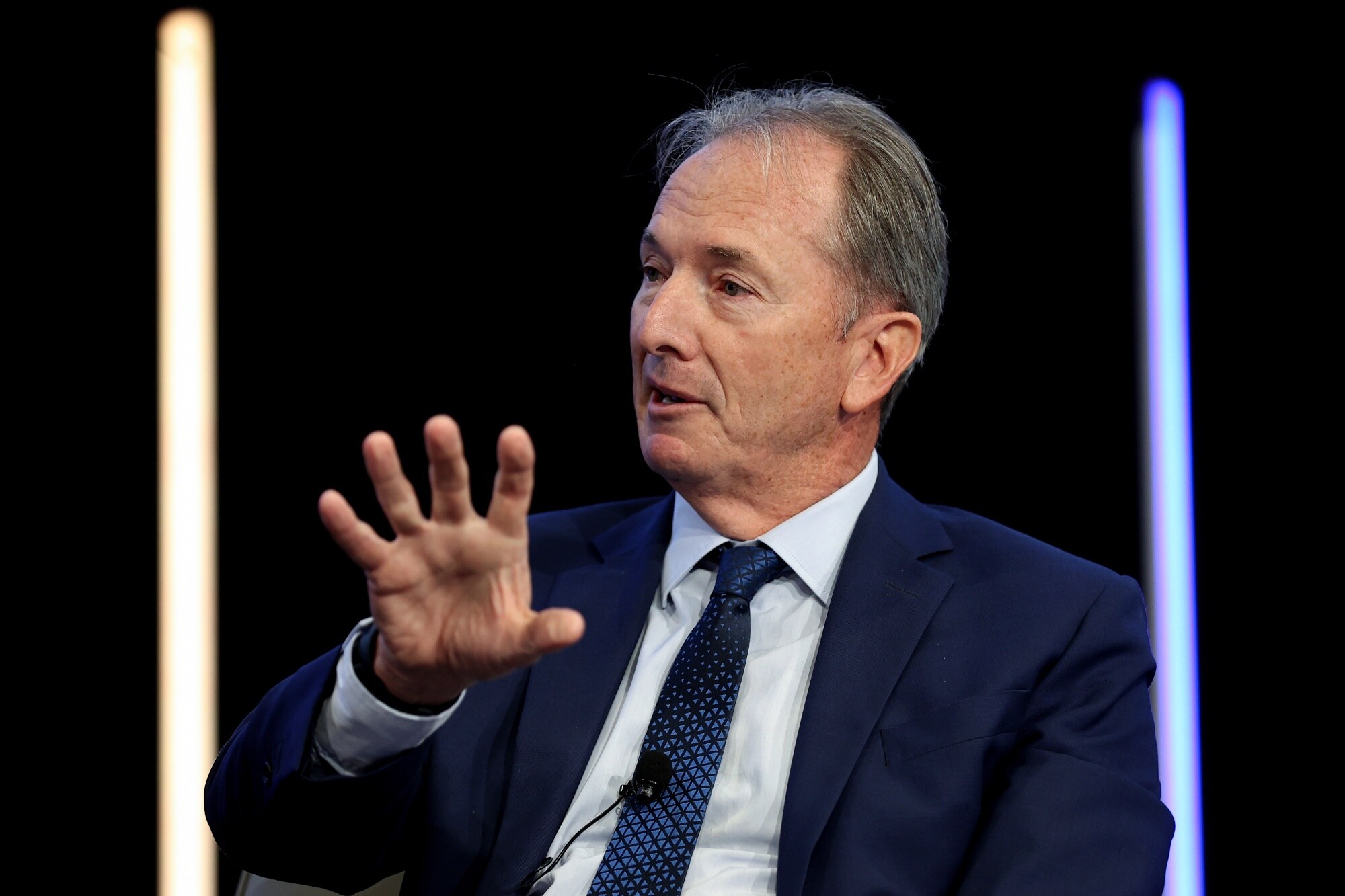
In the first quarter, Morgan Stanley's profit fell from a year earlier, dragged down by a dropoff in dealmaking, with a 32% decline in its merger advisory and 22% slump in its equity-underwriting business. Analysts are forecasting that revenue from banking fees will be in line with last year's haul — which was roughly half the $10.3 billion that the bank pulled in during 2021's dealmaking frenzy.
Revenue within the bank's institutional securities group, which houses the bankers and traders, slid 11% in the quarter ending March. Its wealth-management unit went the other way, climbing 11% compared with a year ago.
The firmwide results also saw Morgan Stanley's efficiency ratio — a measure of non-interest expense relative to revenue — hit 72%. The bank has spelled out a target of keeping that figure below the 70% mark.
Industry Cuts
Job cuts across finance have returned since the pandemic, when banks held off on reductions to give employees stability and then fought for talent as deals picked up. But as that frenzy cooled, expenses have become the focus with several banks unveiling plans to fire staff.
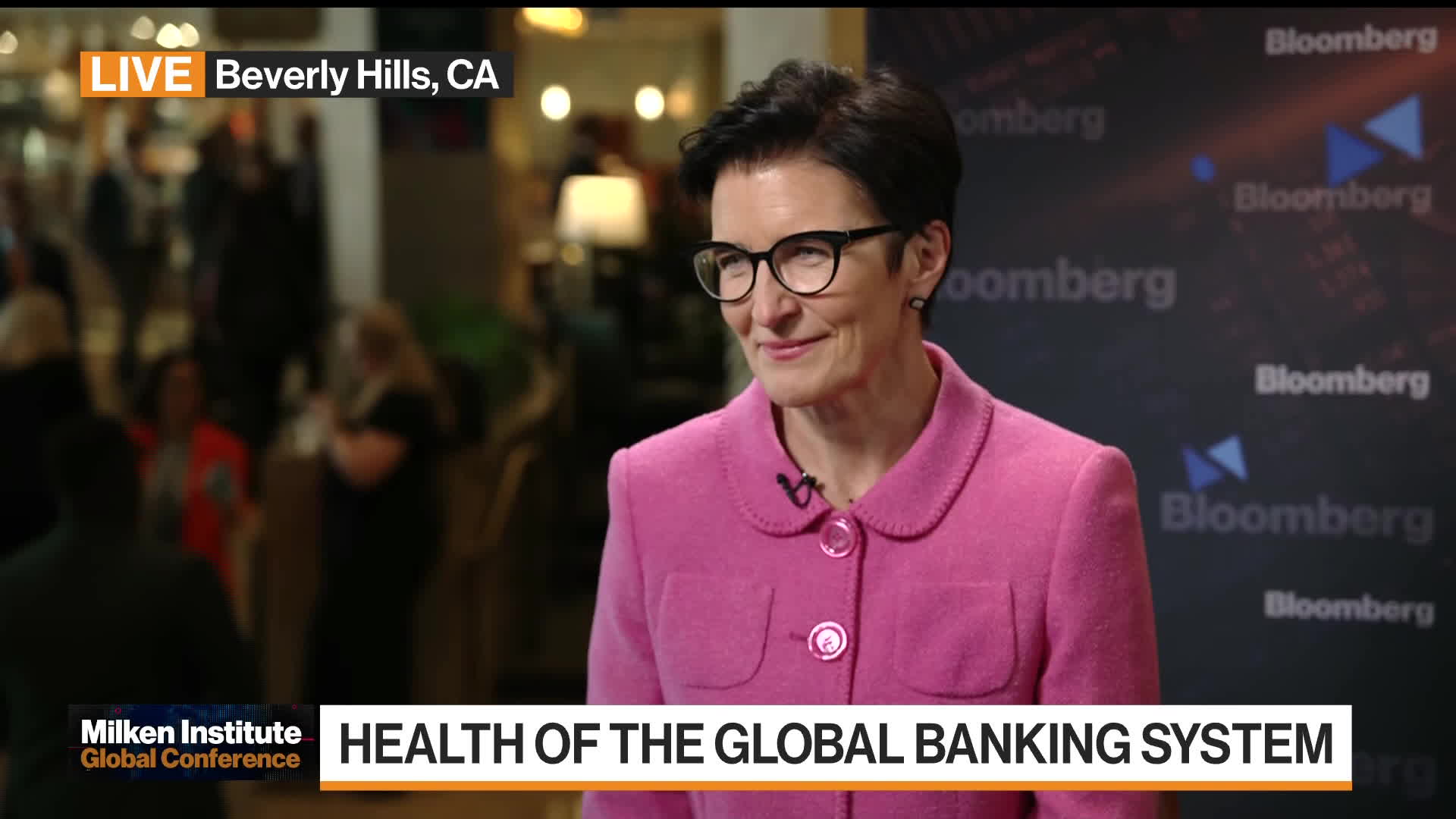
Morgan Stanley in December cut roughly 1,600 jobs, which led to $133 million of severance costs in the fourth quarter tied to the reduction. Then Goldman Sachs Group Inc. eliminated about 3,200 positions in January in one of its biggest cuts ever. On Monday, Citigroup Inc. Chief Executive Officer Jane Fraser said her company is willing to make adjustments to staffing levels at its investment bank.
“Like every institution, you make some adjustments around the capacity, but we're playing the long game in investment banking,” Fraser said in a Bloomberg Television interview.
Ken Jacobs, who runs Lazard Ltd., forecast that the industry's doldrums will last for the rest of the year.
Lazard will eliminate 10% of its workforce, the New York-based firm said last week. Jacobs noted that dealmaker pay has surged in recent years as junior bankers demanded higher salaries amid a boom.
It's harder to roll back those raises, while costs for travel, entertainment and information services have soared as well, Jacobs said in an interview last week.
(Updates with fourth-quarter severance costs in 10th paragraph.)
More stories like this are available on bloomberg.com
©2023 Bloomberg L.P.

-
Ten Things I Learnt This Samvat

Patience can be a trap. Cheap stocks can stay cheap. Leverage can wipe you out. What did Samvat 2082 teach us? Niraj Shah writes on 10 lessons from the year gone by.
-
Talking Points This Week: Tech Nerves, FII Buying, And A Faraway Banking Shock
The global markets are not shining this Diwali. The exception in the large markets is, India.
-
Midterm Rally Lasted A Day. The Hard Reality Of A Divided US May Last Two Years | Opinion
Between a contested AI boom, a debt ceiling that arrives in 2027 and a president with every incentive to act alone, the next two years may prove more volatile than the first day's rally suggests.
-
Blue Wave Will Derail the AI Trade but Won't Dismantle the AI Era | Unhedged Position
The Democrats' sweep of the US Congress will see politics collide with economic forces both over the long and short term.
-
It's Time To Take The GST Council's Bet On Trust Global
Payment records can prove India's services exports, and clear, proportionate rules can bring foreign digital sellers into the tax net.
-
Opinion | India at 38: From Innovation Overperformer to Innovation Powerhouse
India now has 453 VC-backed deep science startups, 18 of them late-stage, after 117 percent growth since 2020. Laurus Labs, at USD 9.3 billion, is the most valuable deep science company in any middle-income economy outside China.
-
Navigating Energy Crossroads: S Jaishankar's Call For Diversified Supply Chains At G20 Ministerial Meeting
As geopolitical fault lines continue to test maritime trade routes and commodity flows, Jaishankar's message remains pertinent: true economic resilience requires open markets, protected transit lines, and a genuine commitment to multilateral cooperation rather than coercion.
-
Indians Are Travelling, But Not Every Journey Is A Holiday | The Week In Whys
Pilgrims, patients and working women are the real travellers, and the system hasn't quite caught up with them.
-
Getting To Work Costs Women More | The Reason Why
It is not just about women paying more than men. It is about women paying much more in cities than in villages.









