Mercedes CEO Changes Tune on China as ‘Economic Wonder’ Stalls
(Bloomberg) -- When Germany last convened its biennial car show, Ola Källenius couldn't have sounded more bullish about China.
Mercedes-Benz Group AG had enjoyed a string of successful years in the country, the chief executive officer said, but the best was yet to come. “If we look at the GDP growth, if we look at how many buyers come into the segment that is relevant for Mercedes,” he said, “this in the next 10 years presents probably the biggest absolute growth opportunity for our company.”
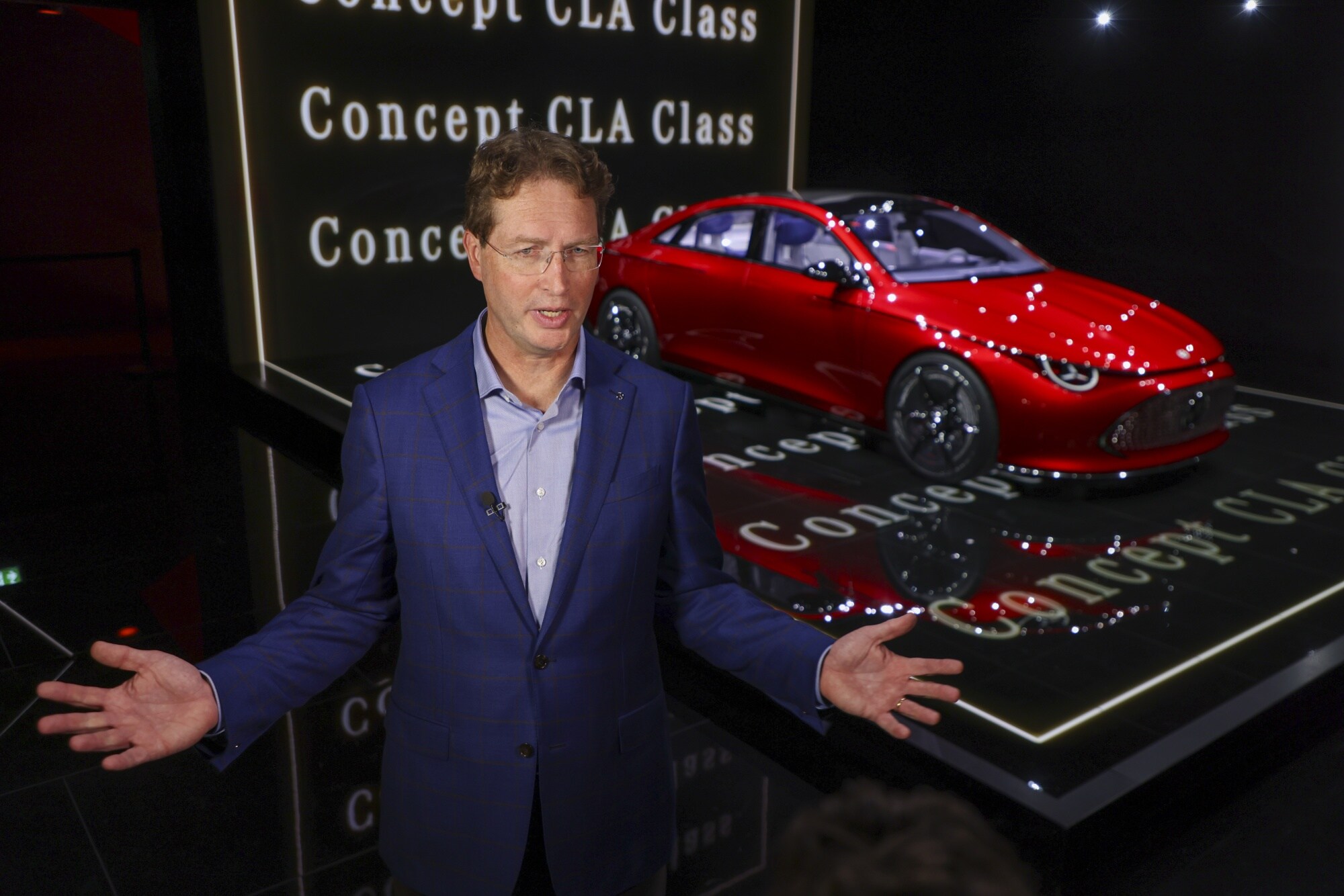
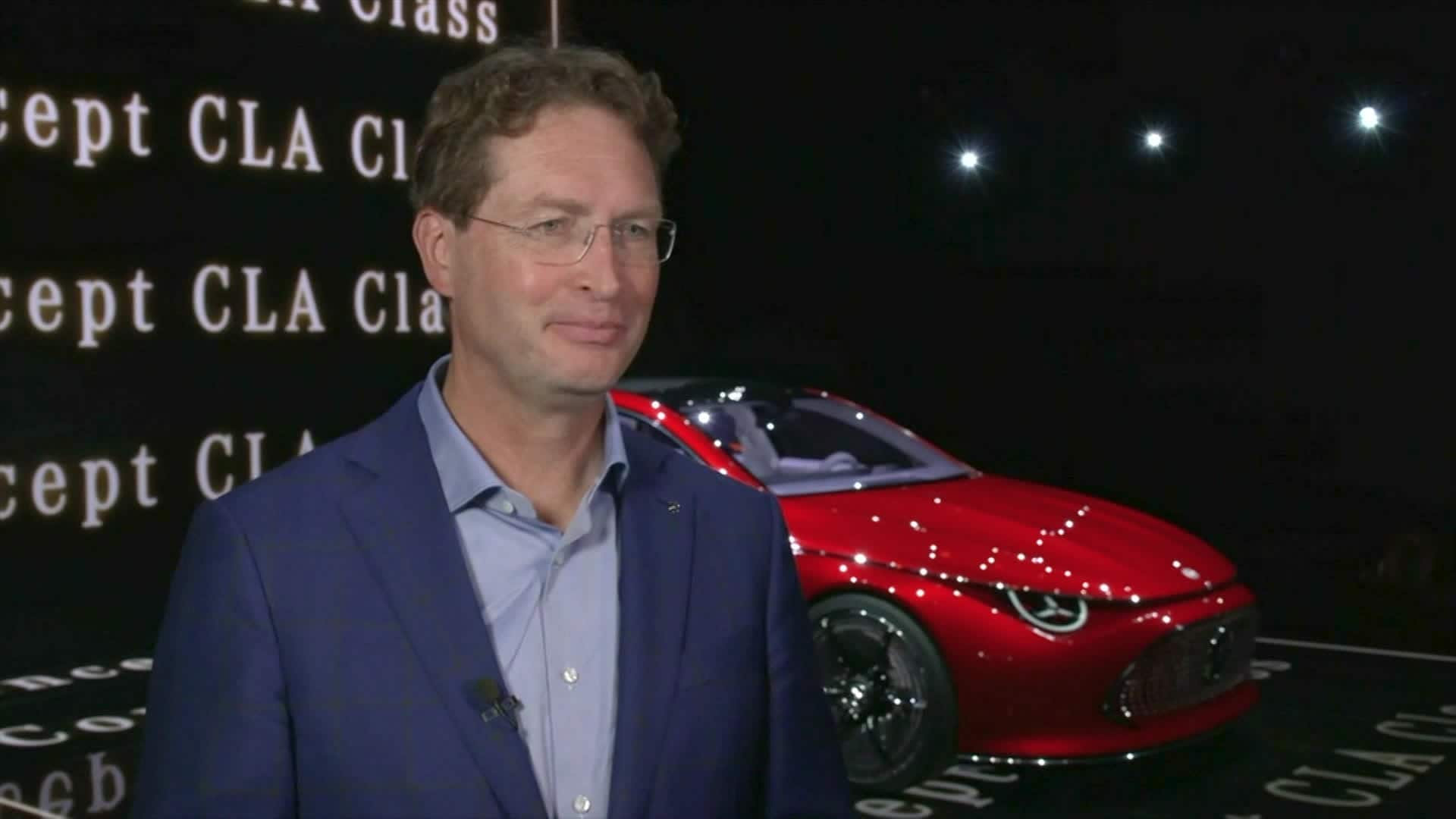
Two years later, Källenius delivered a glum assessment of China's prospects, telling Bloomberg Television ahead of this week's Munich motor show that the luxury-car maker can't count on the country for brisk expansion.
“After 30, 40 years of an economic wonder, they're reaching a level of maturity,” the CEO said of China. “We have to take a little bit of a cautious stance on that and see how things develop, and not expect rapid growth as far as the economy is concerned in the short term.”
Read More: Key Stories From the Munich Motor Show
The change in tune reflects a broader decline in sentiment that politicians have been relatively more open about than those in the private sector. In the months before US President Joe Biden referred to China's economy as a “ticking time bomb,” Chinese officials emerged from meetings with Tesla Inc.'s Elon Musk and General Motors Co.'s Mary Barra with recounts of their upbeat views.
Mercedes felt the sting from China's slowdown in the first half of the year, with its revenue in the market falling 9.2% to €12.4 billion ($13.4 billion). By contrast, sales rose 9.2% to €18.5 billion in the US, and almost 20% to €12.7 billion in Germany.
Beijing has taken concerted steps in recent days to shore up China's ailing property sector and expand tax breaks for households. The National Development and Reform Commission — China's top economic planner — announced plans for a new department that will track and analyze the state of industry, and draft and coordinate policies to promote growth in the private sector. Over the weekend, President Xi Jinping said the country would continue to open up.
While Källenius offered one of the more dramatic turnabouts, he wasn't alone among carmaker executives in voicing some unease in Munich. China's auto market hasn't been as strong as Volkswagen AG expected a year ago, CEO Oliver Blume told Bloomberg TV, though he said he's optimistic about a comeback.
Just how quickly that recovery plays out is “very difficult to judge,” Robert Bosch GmbH CEO Stefan Hartung told Bloomberg in an interview.
“There is a general hesitation of the Chinese consumer to go and buy durable products,” the head of the world's largest auto-parts supplier said. “Vehicle manufacturing will grow due to exports, but when it comes to production for domestic consumers, we'll have to see. The commercial-vehicle market is particularly weak and hasn't come back from the pandemic.”
--With assistance from Craig Trudell, Oliver Crook and William Wilkes.
More stories like this are available on bloomberg.com
©2023 Bloomberg L.P.

-
Navigating Energy Crossroads: S Jaishankar's Call For Diversified Supply Chains At G20 Ministerial Meeting

As geopolitical fault lines continue to test maritime trade routes and commodity flows, Jaishankar's message remains pertinent: true economic resilience requires open markets, protected transit lines, and a genuine commitment to multilateral cooperation rather than coercion.
-
Indians Are Travelling, But Not Every Journey Is A Holiday | The Week In Whys
Pilgrims, patients and working women are the real travellers, and the system hasn't quite caught up with them.
-
Getting To Work Costs Women More | The Reason Why
It is not just about women paying more than men. It is about women paying much more in cities than in villages.
-
AI Bias In Investing Cannot Be Eliminated, But It Can Be Governed
Framing is a particularly important example as identical financial information presented in terms of gains rather than losses can lead an LLM to reach a different assessment.
-
Joining The Dots | Dark Skies, Steady Diya: Why Hope Holds This Diwali
With war, a weak rupee and foreign outflows weighing on sentiment, policymakers at the NDTV World Summit and market veterans at NDTV Profit Ignite: Diwali Edition offered the same advice: stay invested and filter out the noise.
-
The Curious Case of Equitas Small Finance Bank And A CEO Who Quit For Stock
PN Vasudevan believes persistent investor concerns over a perceived conflict of interest had become a governance overhang on Equitas Small Finance Bank's stock, even as the lender improved profitability and asset quality.
-
Talking Points This Week: AI Cash Burn, A Tiger Comeback And An India That Still Finds Its Own Path
India is not immune to higher oil or tighter global liquidity, yet its earnings base is broader, its domestic policy levers are still available.
-
Foreign Investors Own Half Of HDFC Bank and ICICI Bank. An LTCG Cut Could Matter Most Here
Foreign portfolio investors have US$115 billion parked in HDFC Bank, ICICI Bank. If the government cuts long-term capital gains tax, Jefferies says returning foreign money could land here first.
-
'Never Seen This Level Of Negativity': Sandeep Tandon Says The Next Rally May Be Closer Than You Think
Veteran investor Sandeep Tandon says foreign selling is easing, large-caps are due a comeback and mid-caps are crowded, while he turns positive on gold, power and pharma this Diwali.
-
Indians Stay With Family, Not In Hotels | The Reason Why
India still lacks enough clean, reliable and affordable hotels for budget-conscious travellers.










