Markets Belying Geopolitics, Margin Pressure: Kotak AMC's Harsha Upadhyaya
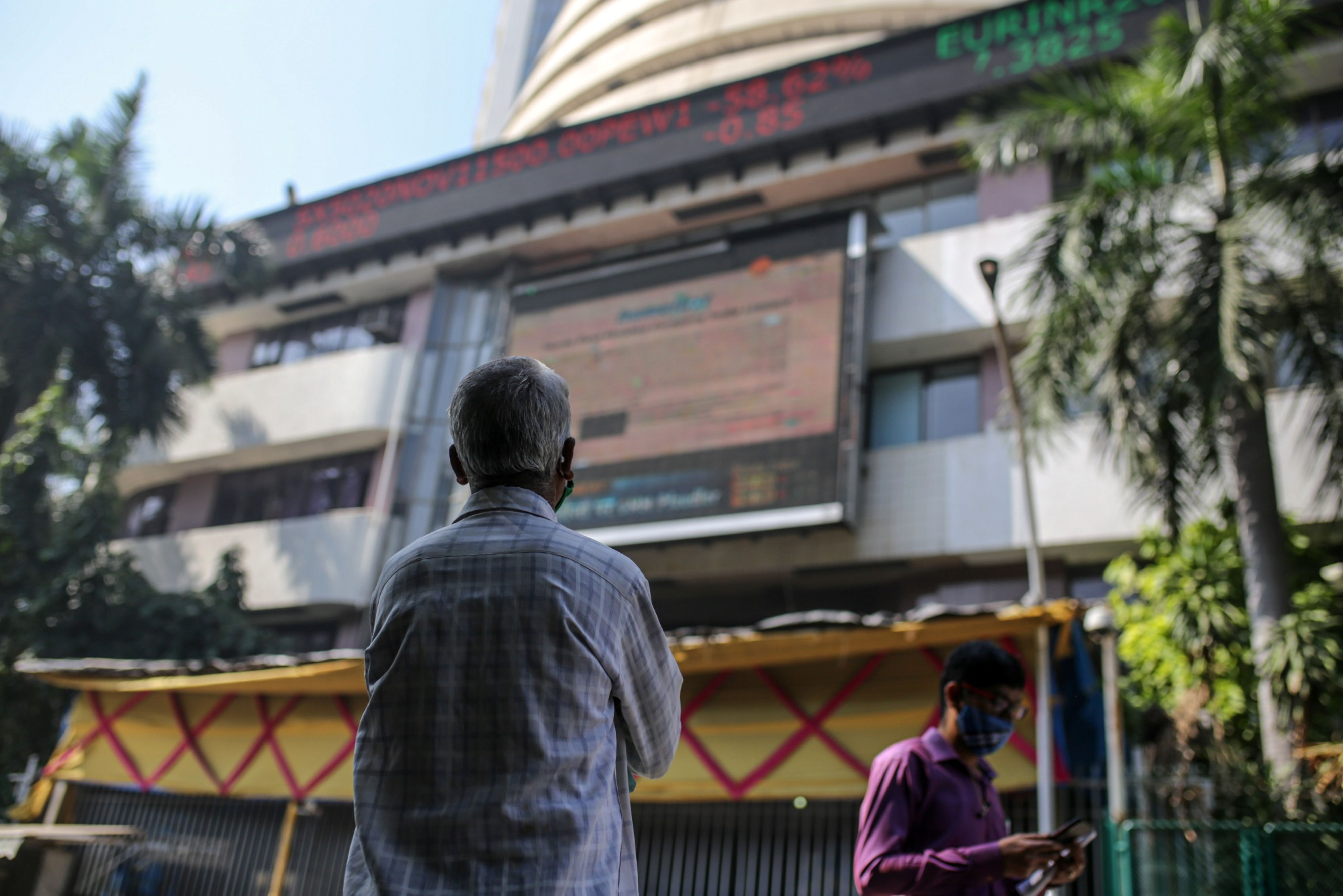
The ongoing geopolitical crisis weighed on India Inc.'s margins in the fourth quarter of the just-ended fiscal as well as the first three months of FY23 even as the market appears resilient, according to Kotak Mahindra Asset Management Co.'s Harsha Upadhyaya.
“The last few weeks have been very adverse from a macroeconomic point of view, given geopolitical issues and commodity cost pressures have been only increasing. We have also seen most central banks turning more hawkish than the market consensus was,” the president and chief investment officer (equity) at the fund manager told BloombergQuint's Niraj Shah in an interview. “Indian markets have been quite resilient but from an earnings front, the impact of such events has already been visible in the March-quarter results.”
The “bigger and more adverse impact” would be seen in the first quarter of the fiscal through March 2023 because “we have seen a sharp [price] increase of 20-30% across commodities and it's going to be very difficult to really pass on all of that to consumers”. And even if some of the companies are able to do so, the worry on demand sustainability remains, he said.
Also, beyond a level, liquidity is not going to help markets and fundamentals have to really support the markets, Upadhyaya said. “The balancing act with the domestic investors performing to counter the selling of FIIs is not something that is sustainable for long if the fundaments aren't accretive,” he said. “We have a serious situation now where over the next couple of quarters if commodity prices remain at these levels and keep putting pressure on margins, then you could have a situation where there will be earnings revisions on the negative.”
FMCG Valuations
As profitability of all things keeps growing weak, Upadhyaya said he would not invest at the currently overpriced valuations in the fast-moving consumer goods sector. “There must be a significant correction in valuation for us to re-evaluate or there has to be a positive change in fundamentals backing the valuations.”
“At this point in time, FMCG, among other sectors, is suffering from commodity price inflation-led margin pressure… then there would be pressure on demand, as it has not been so strong that you will be able to pass on all the costs,” he said. “So, FMCG is one of the few pockets where we are not so comfortable because the current level of the valuation may not hold up if there is a nice revision on the downward side.”
Watch the full interview here...

-
Talking Points This Week: Tech Nerves, FII Buying, And A Faraway Banking Shock

The global markets are not shining this Diwali. The exception in the large markets is, India.
-
Midterm Rally Lasted A Day. The Hard Reality Of A Divided US May Last Two Years | Opinion
Between a contested AI boom, a debt ceiling that arrives in 2027 and a president with every incentive to act alone, the next two years may prove more volatile than the first day's rally suggests.
-
Blue Wave Will Derail the AI Trade but Won't Dismantle the AI Era | Unhedged Position
The Democrats' sweep of the US Congress will see politics collide with economic forces both over the long and short term.
-
It's Time To Take The GST Council's Bet On Trust Global
Payment records can prove India's services exports, and clear, proportionate rules can bring foreign digital sellers into the tax net.
-
Opinion | India at 38: From Innovation Overperformer to Innovation Powerhouse
India now has 453 VC-backed deep science startups, 18 of them late-stage, after 117 percent growth since 2020. Laurus Labs, at USD 9.3 billion, is the most valuable deep science company in any middle-income economy outside China.
-
Navigating Energy Crossroads: S Jaishankar's Call For Diversified Supply Chains At G20 Ministerial Meeting
As geopolitical fault lines continue to test maritime trade routes and commodity flows, Jaishankar's message remains pertinent: true economic resilience requires open markets, protected transit lines, and a genuine commitment to multilateral cooperation rather than coercion.
-
Indians Are Travelling, But Not Every Journey Is A Holiday | The Week In Whys
Pilgrims, patients and working women are the real travellers, and the system hasn't quite caught up with them.
-
Getting To Work Costs Women More | The Reason Why
It is not just about women paying more than men. It is about women paying much more in cities than in villages.
-
AI Bias In Investing Cannot Be Eliminated, But It Can Be Governed
Framing is a particularly important example as identical financial information presented in terms of gains rather than losses can lead an LLM to reach a different assessment.









