Mark Zuckerberg's Cryptocurrency Project Unravels, Reportedly On Sale
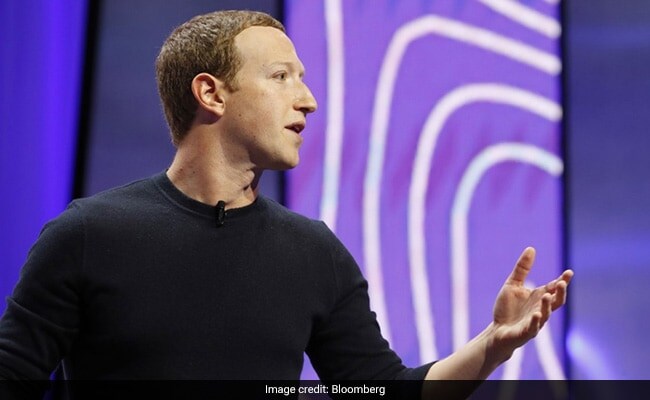
The controversial cryptocurrency project that Mark Zuckerberg once defended in front of Congress is unraveling after regulatory pressure.
The Diem Association, a cryptocurrency initiative once known as Libra backed by Meta Platforms Inc., is weighing a sale of its assets as a way to return capital to its investor members, according to people familiar with the matter. Diem is in discussions with investment bankers about how best to sell its intellectual property and find a new home for the engineers who developed the technology, cashing out whatever value remains in its once-ambitious Diem coin venture, said the people, asking not to be identified because the discussions aren't public.
In 2019, when Meta's Facebook first unveiled the idea of its stable digital currencies -- stablecoins -- aimed at revolutionizing global financial services, they did so in collaboration with dozens of other companies. But the consortium wasn't enough to protect the project from worldwide regulatory scrutiny. After Zuckerberg was called to testify, some partners abandoned the project and it changed its name to Diem. Diem's ambitions scaled back and its founder, David Marcus, left Meta last year. The association struck an arrangement with Silvergate Capital Corp. to issue Diem, but resistance from the U.S. Federal Reserve dealt the effort a final blow, the people said.
Diem said in May that an affiliate of the firm, Silvergate Bank, was to be the issuer of the Diem USD stablecoin, a type of cryptocurrency pegged to the U.S. dollar that's typically used to buy and sell other crypto. After a lengthy back-and-forth between the Diem advocates and regulators, Fed officials finally told Silvergate last summer that the agency was uneasy with the plan and couldn't assure the bank that it would allow that activity, the people said.
Without a green light from the bank's regulator, Silvergate was left unable to issue the new asset with confidence the Fed wouldn't crack down, and so the Diem effort had no coin.
A Fed spokesman declined to comment on the agency's talks with the Diem advocates. The Diem Association declined to comment. Meta didn't immediately respond to a request for comment.
It's unclear how a potential buyer would value Diem's intellectual property, or the engineers that helped develop it. Discussions are early, the people cautioned, and there's no guarantee Diem will find a buyer.
Meta owns about a third of the venture and the rest of it is owned members of the association, according to one of the people. Association members, which include venture capital firms and technology companies, agreed to invest and pay to join when the group was formed, the person added. It's unclear which firms, besides Meta, ended up investing in the initiative.
Diem's website shows that its partners include venture capital firms such as Andreessen Horowitz, Union Square Ventures, Ribbit Capital, and Thrive Capital as well as Singapore state-owned investor Temasek Holdings Pte. Its website also lists crypto-focused companies like Coinbase Global Inc., and others such as ride-hailing company Uber Technologies Inc. and commerce platform Shopify Inc.
In November, the federal watchdogs finally made it clearer what they were after. Stablecoin issuers should be regulated banks if the tokens are to be used as a means of buying and selling things, the President's Working Group on Financial Markets said in a report. The group of regulators said they feared what might happen if a vast network of a tech company's users suddenly began transacting in a new currency, and that combining a stablecoin issuer with a big corporation “could lead to an excessive concentration of economic power.”

-
High US Salaries, No Green Card Certainty: The Financial Calculation Facing Indian H-1B Families

The suspension of PERM processing at eight technology employers does not cancel existing H-1B visas. What it does is force a question many Indian families have been avoiding: is the US salary worth tying your career and family plans to one employer?
-
Swiggy vs Eternal: Food Delivery's Two Rivals Are No Longer In The Same Race
Eternal is building a private AI assistant, dark.ai. Swiggy is still working out how to make Instamart pay, with an operating loss of Rs 895 crore in the July-September quarter while Blinkit stayed profitable.
-
Where You Live Shapes How You Get To Work | The Reason Why
Two-wheelers are the most popular way to get to work in India, accounting for nearly 43% of workplace commutes.
-
Unhedged Position: Can India See An Indonesia-Style Time Correction?
The Nifty is trading below levels it first clocked in 2024. Is there, then, as I have suggested in the headline, potential that the current time correction drags on painfully for the next three-five, even ten years?
-
Navigating Friction And Energy Realities: An Analysis Of Marco Rubio's October Visit To India
Occurring at a critical juncture marked by stalled trade negotiations and escalating geopolitical pressures over global energy supplies, the visit offers a profound window into modern US-India relations.
-
India Exports Capital. Why Not Export Trusteeship?
The big question, then, is whether India can build an institution that global borrowers, investors, banks, and lawyers can trust, even without an Indian connection.
-
France's Economy & Politics Are In Crisis | The Reason Why
Let's look at how the French economy and politics evolved under Nicolas Sarkozy, Franois Hollande and Emmanuel Macron.
-
You May Inherit The Business. You Must Earn Its Credibility.
Succession tests the founder's ability to share authority as much as it tests the next generation's readiness to assume it.
-
Signing Deals Is One Thing; Making Them Work Is Another | The Week In Whys
Sometimes, things don't turn out as planned. Indian companies have lost some bids to rivals, some projects won't produce until 2030.
-
FOMC Wall, PERM Suspension, Hospital Stocks | Talking Points This Week
A PERM suspension would directly affect green-card sponsorship rather than H-1B visas, so the near-term earnings impact could remain relatively limited. The key question is whether this marks a new phase in US scrutiny of Indian IT.









