Major Traders, Banks Cut Business Ties With Russia-Backed Refiner: Report
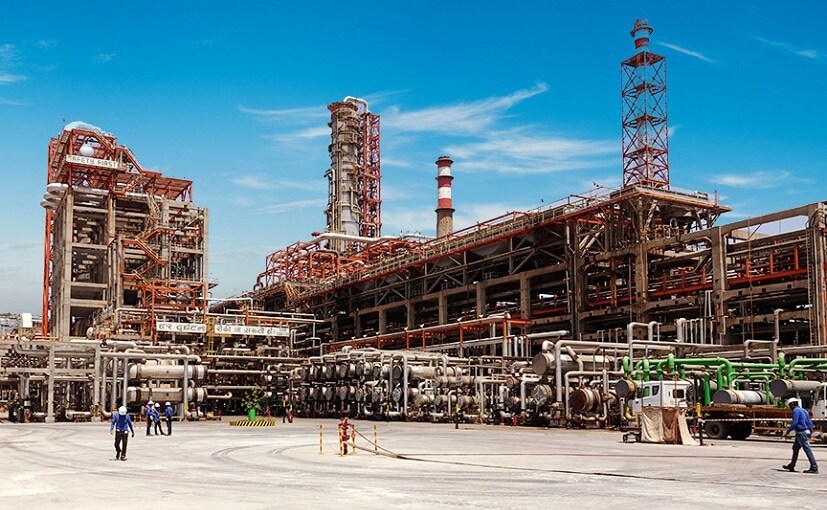
Many global oil traders and banks have stopped dealing with refiner Nayara Energy, a Rosneft affiliate, as they are worried about Western sanctions over Russia's invasion of Ukraine, two people with knowledge of the matter told Reuters.
Nayara per se has not been sanctioned as part of the international response to what Russia calls its "special military action" against Ukraine but sanctions are in place against Rosneft.
The Russian energy giant owns about 49% of Nayara which is India's second-largest private refiner, while Kesani Enterprises Co Ltd, a consortium led by Trafigura Group and Russia's UCP Investment Group, holds 49.13%.
Most trading firms including Vitol and Glencore as well as producers in Canada, Latin America and Europe have declined to directly sell crude to Nayara, according to one of the people.
The sources were not authorised to speak to the media and declined to be identified.
They said Nayara was now dependent on state-run Middle Eastern producers, Chinese traders, companies supplying Russian oil as well as local crude oil producers for its 400,000 barrels per day Vadinar refinery in western Gujarat state.
"It is increasingly becoming difficult for the company," said one of the sources, adding that it has been unable to hedge for cracks and inventory.
Companies that have declined to deal with Nayara include Phillips 66, Occidental Petroleum Corp, Cepsa, Equinor, Gunvor, Koch, Petrogal, Respsol, Shell, Suncor Energy, Ecopetrol and TotalEnergies, the second person said.
Banks and other firms that have refused to work on new hedging positions for Nayara include Citigroup, Morgan Stanley, BNP Paribas, JPMorgan, France's Engie as well as the core banking units of Mitsubishi UFJ Financial Group and Sumitomo Mitsui Financial Group, they said.
The trading firms, companies and banks either declined to comment or did not respond to Reuters emails seeking comment.
Nayara, which accounts for 8% of India's refining capacity, said it had longstanding relationships with its suppliers, works with a diverse set of suppliers and has appropriate contracts for the purchase of crude oil.
"Apart from honouring the long- and shorter-term contracts, our suppliers are also offering, and we pick up crudes on a spot basis on competitive terms," it said in an emailed statement.
Nayara has been a key buyer of Russian oil, snapping up the discounted product shunned by some western companies and countries. The higher intake of Russian oil and improved product cracks helped Nayara's quarterly profit climb to a record 35.6 billion Indian rupees ($446 million) in April-June.
Those results, however, mask concerns about its operating environment.
Some foreign banks and HDFC Bank have stopped offering trade credits for oil imports, banking and industry sources told Reuters in April.
India's CARE Ratings has also placed Nayara's long-term ratings on 'credit watch with negative implications' due to sanctions against Moscow.
Some of Nayara's top management officials including its chief financial officer have left the company since Western nations began to impose sanctions on Russia. The company has not elaborated on the reasons for the departures.
(Except for the headline, this story has not been edited by NDTV staff and is published from a syndicated feed.)

-
High US Salaries, No Green Card Certainty: The Financial Calculation Facing Indian H-1B Families

The suspension of PERM processing at eight technology employers does not cancel existing H-1B visas. What it does is force a question many Indian families have been avoiding: is the US salary worth tying your career and family plans to one employer?
-
Swiggy vs Eternal: Food Delivery's Two Rivals Are No Longer In The Same Race
Eternal is building a private AI assistant, dark.ai. Swiggy is still working out how to make Instamart pay, with an operating loss of Rs 895 crore in the July-September quarter while Blinkit stayed profitable.
-
Where You Live Shapes How You Get To Work | The Reason Why
Two-wheelers are the most popular way to get to work in India, accounting for nearly 43% of workplace commutes.
-
Unhedged Position: Can India See An Indonesia-Style Time Correction?
The Nifty is trading below levels it first clocked in 2024. Is there, then, as I have suggested in the headline, potential that the current time correction drags on painfully for the next three-five, even ten years?
-
Navigating Friction And Energy Realities: An Analysis Of Marco Rubio's October Visit To India
Occurring at a critical juncture marked by stalled trade negotiations and escalating geopolitical pressures over global energy supplies, the visit offers a profound window into modern US-India relations.
-
India Exports Capital. Why Not Export Trusteeship?
The big question, then, is whether India can build an institution that global borrowers, investors, banks, and lawyers can trust, even without an Indian connection.
-
France's Economy & Politics Are In Crisis | The Reason Why
Let's look at how the French economy and politics evolved under Nicolas Sarkozy, Franois Hollande and Emmanuel Macron.
-
You May Inherit The Business. You Must Earn Its Credibility.
Succession tests the founder's ability to share authority as much as it tests the next generation's readiness to assume it.
-
Signing Deals Is One Thing; Making Them Work Is Another | The Week In Whys
Sometimes, things don't turn out as planned. Indian companies have lost some bids to rivals, some projects won't produce until 2030.
-
FOMC Wall, PERM Suspension, Hospital Stocks | Talking Points This Week
A PERM suspension would directly affect green-card sponsorship rather than H-1B visas, so the near-term earnings impact could remain relatively limited. The key question is whether this marks a new phase in US scrutiny of Indian IT.









