Made-In-India Handheld Brain Injury Detection Scanner Boon For Rural Patients: Kiran Mazumdar Shaw
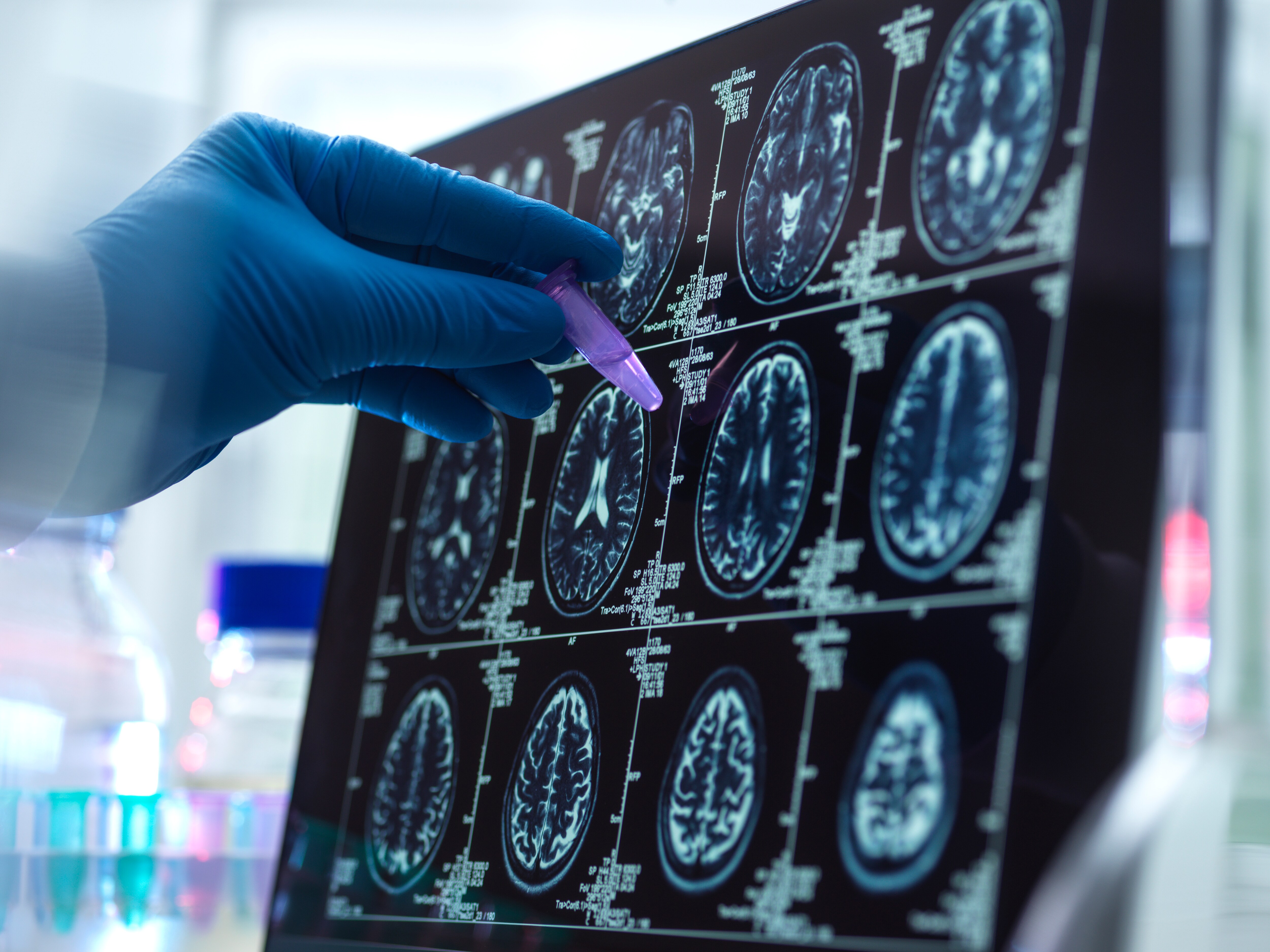
CEREBO, a made-in-India handheld brain injury scanner that can detect internal bleeding within minutes, is a promising breakthrough, according to Biocon Ltd. Executive Director Kiran Mazumdar Shaw.
The device, developed by Indian researchers, can particularly benefit patients in rural and remote areas, Shaw said in a post on social media.
"This is a very new technology, completely Indian, developed in an IIT incubator with ICMR's support for validation and health technology assessment," said Dr Rajeev Bahl, DG, ICMR to news agency ANI. "It is now available on the government e-marketplace. Using infrared waves, the handheld device can be placed on different parts of the head to quickly detect bleeding."
Traditional diagnostic methods such as the Glasgow Coma Scale are often subjective, while imaging techniques require costly infrastructure and trained specialists. To bridge this gap, this portable, non-invasive brain injury diagnostic tool has been developed using near-infrared spectroscopy and machine learning.
The device can detect intracranial bleeding and edema in under a minute, providing radiation-free, colour-coded, and cost-effective results. Designed for use in ambulances, rural clinics, trauma centres, and disaster zones, CEREBO is expected to improve early detection and survival outcomes.
A collaboration between ICMR-MDMS, AIIMS Bhopal, NIMHANS Bengaluru, and Bioscan Research, the device has already undergone clinical validation, regulatory approvals, and feasibility studies, reported ANI. With India leading the innovation, experts believe the technology could find global applications, including in emergency and military healthcare systems.

-
High US Salaries, No Green Card Certainty: The Financial Calculation Facing Indian H-1B Families

The suspension of PERM processing at eight technology employers does not cancel existing H-1B visas. What it does is force a question many Indian families have been avoiding: is the US salary worth tying your career and family plans to one employer?
-
Swiggy vs Eternal: Food Delivery's Two Rivals Are No Longer In The Same Race
Eternal is building a private AI assistant, dark.ai. Swiggy is still working out how to make Instamart pay, with an operating loss of Rs 895 crore in the July-September quarter while Blinkit stayed profitable.
-
Where You Live Shapes How You Get To Work | The Reason Why
Two-wheelers are the most popular way to get to work in India, accounting for nearly 43% of workplace commutes.
-
Unhedged Position: Can India See An Indonesia-Style Time Correction?
The Nifty is trading below levels it first clocked in 2024. Is there, then, as I have suggested in the headline, potential that the current time correction drags on painfully for the next three-five, even ten years?
-
Navigating Friction And Energy Realities: An Analysis Of Marco Rubio's October Visit To India
Occurring at a critical juncture marked by stalled trade negotiations and escalating geopolitical pressures over global energy supplies, the visit offers a profound window into modern US-India relations.
-
India Exports Capital. Why Not Export Trusteeship?
The big question, then, is whether India can build an institution that global borrowers, investors, banks, and lawyers can trust, even without an Indian connection.
-
France's Economy & Politics Are In Crisis | The Reason Why
Let's look at how the French economy and politics evolved under Nicolas Sarkozy, Franois Hollande and Emmanuel Macron.
-
You May Inherit The Business. You Must Earn Its Credibility.
Succession tests the founder's ability to share authority as much as it tests the next generation's readiness to assume it.
-
Signing Deals Is One Thing; Making Them Work Is Another | The Week In Whys
Sometimes, things don't turn out as planned. Indian companies have lost some bids to rivals, some projects won't produce until 2030.
-
FOMC Wall, PERM Suspension, Hospital Stocks | Talking Points This Week
A PERM suspension would directly affect green-card sponsorship rather than H-1B visas, so the near-term earnings impact could remain relatively limited. The key question is whether this marks a new phase in US scrutiny of Indian IT.









