LPG Cylinder Price Up Rs 25, Here's How Much You Pay For A Cylinder Now
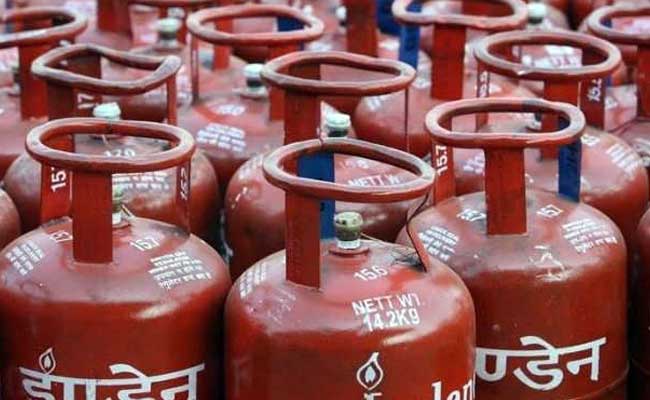
LPG Cylinder Price: Non-subsidised liquefied petroleum gas (LPG) prices were hiked by Rs 25 on March 1, 2021. With effect from March 1, the price of non-subsidised LPG is at Rs 819 per cylinder (14.2 kilograms) in Delhi, according to Indian Oil Corporation. Indian Oil, the country's largest fuel retailer, supplies LPG under the brand Indane. Usually, the rates of non-subsidised LPG cylinders are reviewed on a monthly basis and any changes effected on the first day of each month. Cooking gas rates vary in different parts of the country due to local taxes. (Also Read: Cooking Gas Gets Costlier As LPG Cylinder Price Up ₹ 50 In Delhi )
In the month of February 2021, LPG prices were hiked almost three times. The hike in LPG cooking gas rates comes at a time when the prices of petrol and diesel have touched all-time highs across the four metro cities. Amid a surge in global crude oil prices, oil marketing companies increased the fuel rates across all metros. Usually, the rates of non-subsidised LPG cylinders are reviewed on a monthly basis and any alterations are implemented on the first day of every month. Cooking gas rates vary in different parts across the country due to variation in local taxes.
The prices of LPG cylinders in the country, both cooking and commercial, are determined by the state-run oil marketing companies. As per the current rules, the government subsidies a total of 12 cylinders of 14.2 kilograms each per household every year.
The customer has to make any additional purchases required of the LPG cylinders based upon the market price. The amount of the subsidy provided by the government on the annual quota of 12 refills varies from month to month. The subsidy on LPG is determined broadly by factors such as crude oil as well as foreign exchange rates.

-
High US Salaries, No Green Card Certainty: The Financial Calculation Facing Indian H-1B Families

The suspension of PERM processing at eight technology employers does not cancel existing H-1B visas. What it does is force a question many Indian families have been avoiding: is the US salary worth tying your career and family plans to one employer?
-
Unhedged Position: Can India See An Indonesia-Style Time Correction?
The Nifty is trading below levels it first clocked in 2024. Is there, then, as I have suggested in the headline, potential that the current time correction drags on painfully for the next three-five, even ten years?
-
Navigating Friction And Energy Realities: An Analysis Of Marco Rubio's October Visit To India
Occurring at a critical juncture marked by stalled trade negotiations and escalating geopolitical pressures over global energy supplies, the visit offers a profound window into modern US-India relations.
-
India Exports Capital. Why Not Export Trusteeship?
The big question, then, is whether India can build an institution that global borrowers, investors, banks, and lawyers can trust, even without an Indian connection.
-
France's Economy & Politics Are In Crisis | The Reason Why
Let's look at how the French economy and politics evolved under Nicolas Sarkozy, Franois Hollande and Emmanuel Macron.
-
You May Inherit The Business. You Must Earn Its Credibility.
Succession tests the founder's ability to share authority as much as it tests the next generation's readiness to assume it.
-
Signing Deals Is One Thing; Making Them Work Is Another | The Week In Whys
Sometimes, things don't turn out as planned. Indian companies have lost some bids to rivals, some projects won't produce until 2030.
-
FOMC Wall, PERM Suspension, Hospital Stocks | Talking Points This Week
A PERM suspension would directly affect green-card sponsorship rather than H-1B visas, so the near-term earnings impact could remain relatively limited. The key question is whether this marks a new phase in US scrutiny of Indian IT.
-
Everything, Everywhere, All At Once: Dalal Street's Week To Forget | Joining The Dots
Visa curbs, a Starlink spat and cancer drug caps: what connects this week's shocks for Indian markets
-
India Is Going Abroad For Critical Minerals. But It May Take Years To Pay Off | The Reason Why
Although India's steps are in the right direction, they remain modest compared with India's growing dependence.









