Loan Recoveries, Resolutions Improved After Insolvency Law, Says RBI
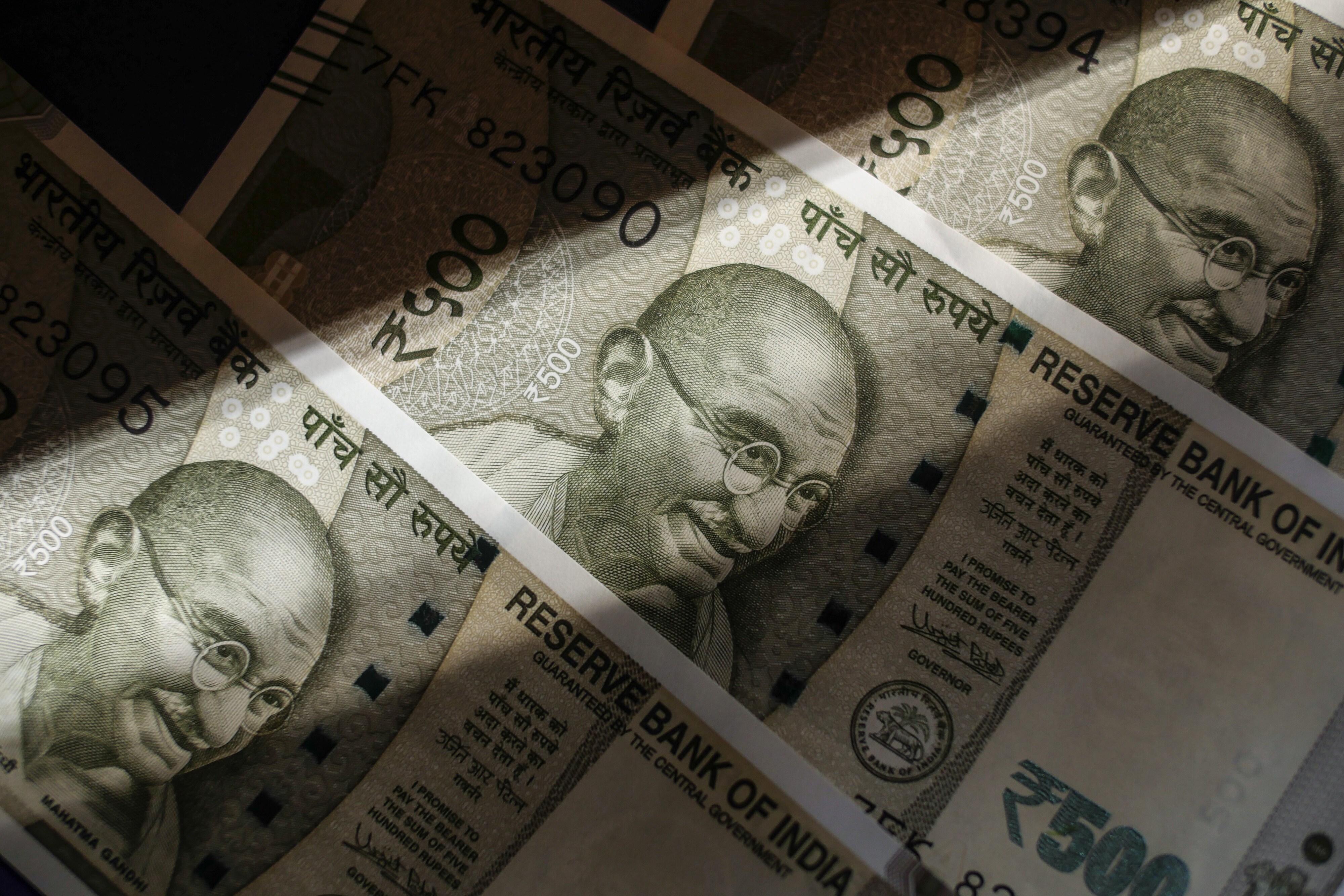
The Reserve Bank of India said recoveries and resolutions improved in the year ended March 2018, primarily because of evolution of the new bankruptcy law and individual efforts of banks.
In 2017-18, banks reported better recoveries from stressed assets owing to the implementation of the Insolvency & Bankruptcy Code and the Securitisation and Reconstruction of Financial Assets and Enforcement of Security Interests or Sarfaesi Act, according to the central bank's annual Trend and Progress of Banking report. Moreover, data from supervisory returns also suggest a decline in the ratio of write-offs to gross non-performing assets during April-September 2018 across banks and an improvement in actual recoveries.
Apart from the vigorous efforts by banks for speedier recovery, the RBI said, “Amending the Sarfaesi Act to bring in a provision of three months' imprisonment in case the borrower does not provide asset details and for the lender to get possession of mortgaged property within 30 days may have contributed to better recovery.”
India implemented the new insolvency law two years ago as bad loans piled up after the RBI initiated an asset quality review to clean up Indian banks' balance sheets in December 2015.
- Financial creditors including banks were able to recover Rs 4,900 crore under the insolvency law in 2017-18, according to data provided by the RBI. Through the Sarfaesi route, they recovered Rs 26,500 crore. Total recoveries for the year from all routes stood at Rs 40,400 crore from disputed loans worth 2,95,600 crore.
- That compares with Rs 38,500 crore recovered from Rs 2,78,300 crore worth of loans involved via channels like Lok Adalats, debt recovery tribunals and the Sarfaesi Act in 2016-17.
To be sure, accounts under insolvency proceedings may not necessarily be non-performing assets and financial creditors could include non-bank lenders.
Higher Sales To ARCs
Banks also used the asset reconstruction company route to considerably improve their balance sheet through sale of bad loans. In FY18, the acquisition cost of ARCs as a proportion to the book value of assets increased, indicating better realisations by banks on sale of stressed assets.
While private lenders were the most aggressive in ARC sales, public sector banks lagged mainly owing to large haircuts and management issues, the RBI said. Some public sector banks did manage to improve their internal bad-loan recovery processes, the report said.
But quarterly data suggest that sale of stressed assets to ARCs by public and private banks slowed in April-September 2018.
Banks Under PCA Show Improvement
RBI said the prompt corrective action framework, which places operational restrictions on weak lenders, helped improve their performance. One private and 11 public sector banks are under the framework.
PCA banks' share of current account and savings account deposits improved, while the reduction in the share of bulk deposits helped them lower cost of deposits, the report said.
These banks also increased recoveries from bad loans, while containing the growth in advances and deposits, according to the RBI. They also showed lower growth in gross bad loans compared to lenders not under the PCA framework, it said.
Still, bad loan ratios and capital positions of PCA banks deteriorated, according to the regulator. That was primarily due to decline in advances, which hurt profitability.
(Updates an earlier version after the RBI corrected data for recoveries through the IBC route)

-
Navigating Energy Crossroads: S Jaishankar's Call For Diversified Supply Chains At G20 Ministerial Meeting

As geopolitical fault lines continue to test maritime trade routes and commodity flows, Jaishankar's message remains pertinent: true economic resilience requires open markets, protected transit lines, and a genuine commitment to multilateral cooperation rather than coercion.
-
Indians Are Travelling, But Not Every Journey Is A Holiday | The Week In Whys
Pilgrims, patients and working women are the real travellers, and the system hasn't quite caught up with them.
-
Getting To Work Costs Women More | The Reason Why
It is not just about women paying more than men. It is about women paying much more in cities than in villages.
-
AI Bias In Investing Cannot Be Eliminated, But It Can Be Governed
Framing is a particularly important example as identical financial information presented in terms of gains rather than losses can lead an LLM to reach a different assessment.
-
Joining The Dots | Dark Skies, Steady Diya: Why Hope Holds This Diwali
With war, a weak rupee and foreign outflows weighing on sentiment, policymakers at the NDTV World Summit and market veterans at NDTV Profit Ignite: Diwali Edition offered the same advice: stay invested and filter out the noise.
-
The Curious Case of Equitas Small Finance Bank And A CEO Who Quit For Stock
PN Vasudevan believes persistent investor concerns over a perceived conflict of interest had become a governance overhang on Equitas Small Finance Bank's stock, even as the lender improved profitability and asset quality.
-
Talking Points This Week: AI Cash Burn, A Tiger Comeback And An India That Still Finds Its Own Path
India is not immune to higher oil or tighter global liquidity, yet its earnings base is broader, its domestic policy levers are still available.
-
Foreign Investors Own Half Of HDFC Bank and ICICI Bank. An LTCG Cut Could Matter Most Here
Foreign portfolio investors have US$115 billion parked in HDFC Bank, ICICI Bank. If the government cuts long-term capital gains tax, Jefferies says returning foreign money could land here first.
-
'Never Seen This Level Of Negativity': Sandeep Tandon Says The Next Rally May Be Closer Than You Think
Veteran investor Sandeep Tandon says foreign selling is easing, large-caps are due a comeback and mid-caps are crowded, while he turns positive on gold, power and pharma this Diwali.










