Just A Third Of Credit-Worthy Consumers Tapped By Banks: Cibil Report
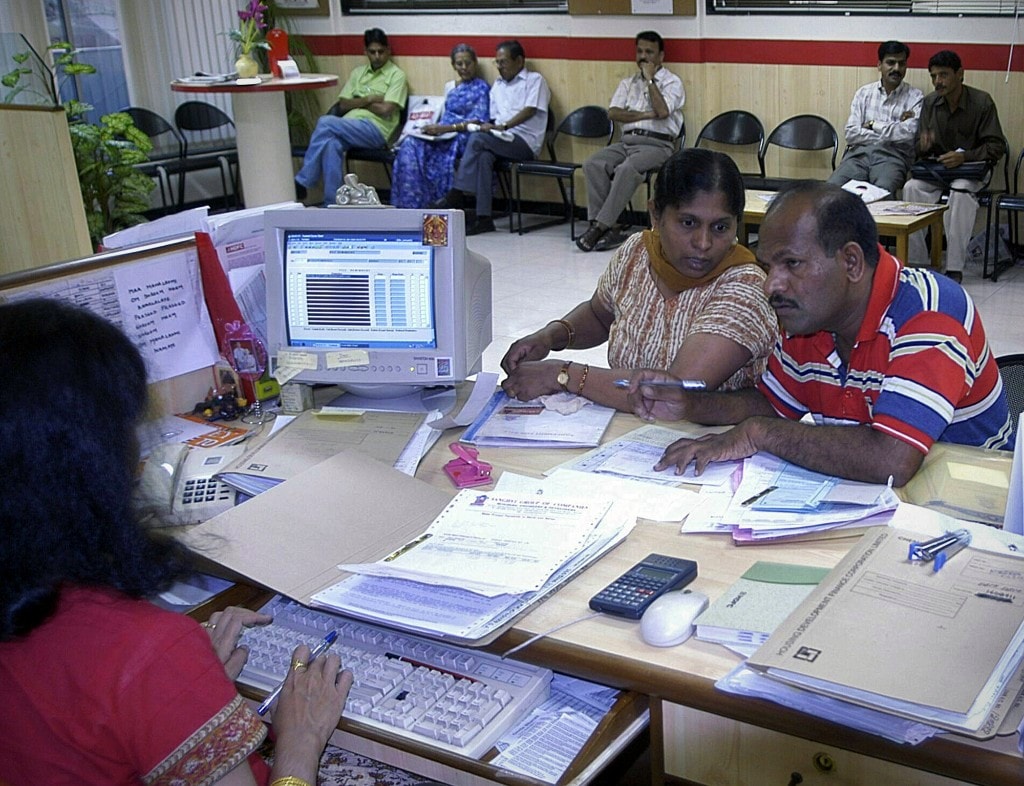
Even after increased focus on retail lending for a decade, banks and other lending institutions have been able to tap only into a third of the estimated 220 million credit-eligible consumers, a report said.
This leaves financiers with 150 million consumers who are eligible for credit but are untapped, credit information company TransUnion Cibil said in its report today. Of the eligible population of 220 million, only a third, or 72 million, are “credit active” having a live account with a bank or lending body, it said.
The missing 150 million includes those who qualify the lending criteria from the age and income perspective and also those who may have availed some credit facility in the past but are currently inactive or dormant.
This segment promises retail lending opportunities for the lenders through products such as credit cards, personal loans and consumer durable loans, the report said, adding that it will also give a ‘major boost' to the economy.
This untapped market presents an opportunity for sustained, prudent growth for lenders over the next five years and beyond. Lenders need to find ways to reach this untapped market, which likely has credit needs that are not being met currently.Yogendra Singh, Vice President - Research and Consulting, Cibil
He added that the banks have been tapping the retail segment for over a decade now, leading many observers to question if retail lending is reaching a ‘saturation point'.
It can be noted that the Reserve Bank of India has been flagging off concerns on retail loans being the panacea for banks, which are saddled with reverses on the corporate lending side. “This is not a risk-free segment and banks should not see it as the grand panacea for their problem-riddled corporate loan book. There are risks here too that should be properly assessed, priced and mitigated,” Deputy Governor NS Vishwanathan had said in a recent speech.
The Cibil report considered people in the age group of 20-69 years with income over Rs 2.5 lakh a year to come to the estimate of 220 million credit-eligible consumers. The report also forecast that the addressable market will increase by 14-16 million consumers per year, reaching an estimated 295 million by 2022.
“As more consumers reach adult age and have disposable income, they will increasingly seek credit to help finance purchases of housing, vehicles, and household goods. As well, in an increasingly digital marketplace, they will want credit cards to help facilitate online transactions,” Singh said.
Total household debt in the country is expected to nearly double to Rs 78-94 lakh crore by 2022, from the Rs 37 lakh crore last year if the country follows growth trajectories of other countries, the report added. “There is a tremendous growth opportunity for retail lenders who are seeking to expand their customer base and grow their business,” Singh said.

-
Why Amazon And Flipkart Are Struggling To Beat Meesho In India's Smaller Cities

With 274 million users and lowest-cost logistics, Meesho is defending its value commerce crown against giants like Amazon and Flipkart.
-
High US Salaries, No Green Card Certainty: The Financial Calculation Facing Indian H-1B Families
The suspension of PERM processing at eight technology employers does not cancel existing H-1B visas. What it does is force a question many Indian families have been avoiding: is the US salary worth tying your career and family plans to one employer?
-
Swiggy vs Eternal: Food Delivery's Two Rivals Are No Longer In The Same Race
Eternal is building a private AI assistant, dark.ai. Swiggy is still working out how to make Instamart pay, with an operating loss of Rs 895 crore in the July-September quarter while Blinkit stayed profitable.
-
Where You Live Shapes How You Get To Work | The Reason Why
Two-wheelers are the most popular way to get to work in India, accounting for nearly 43% of workplace commutes.
-
Unhedged Position: Can India See An Indonesia-Style Time Correction?
The Nifty is trading below levels it first clocked in 2024. Is there, then, as I have suggested in the headline, potential that the current time correction drags on painfully for the next three-five, even ten years?
-
Navigating Friction And Energy Realities: An Analysis Of Marco Rubio's October Visit To India
Occurring at a critical juncture marked by stalled trade negotiations and escalating geopolitical pressures over global energy supplies, the visit offers a profound window into modern US-India relations.
-
India Exports Capital. Why Not Export Trusteeship?
The big question, then, is whether India can build an institution that global borrowers, investors, banks, and lawyers can trust, even without an Indian connection.
-
France's Economy & Politics Are In Crisis | The Reason Why
Let's look at how the French economy and politics evolved under Nicolas Sarkozy, Franois Hollande and Emmanuel Macron.
-
You May Inherit The Business. You Must Earn Its Credibility.
Succession tests the founder's ability to share authority as much as it tests the next generation's readiness to assume it.
-
Signing Deals Is One Thing; Making Them Work Is Another | The Week In Whys
Sometimes, things don't turn out as planned. Indian companies have lost some bids to rivals, some projects won't produce until 2030.










