Johnson Vows To ‘Keep Going’ As Rebel Tories Plot Next Move
(Bloomberg) --
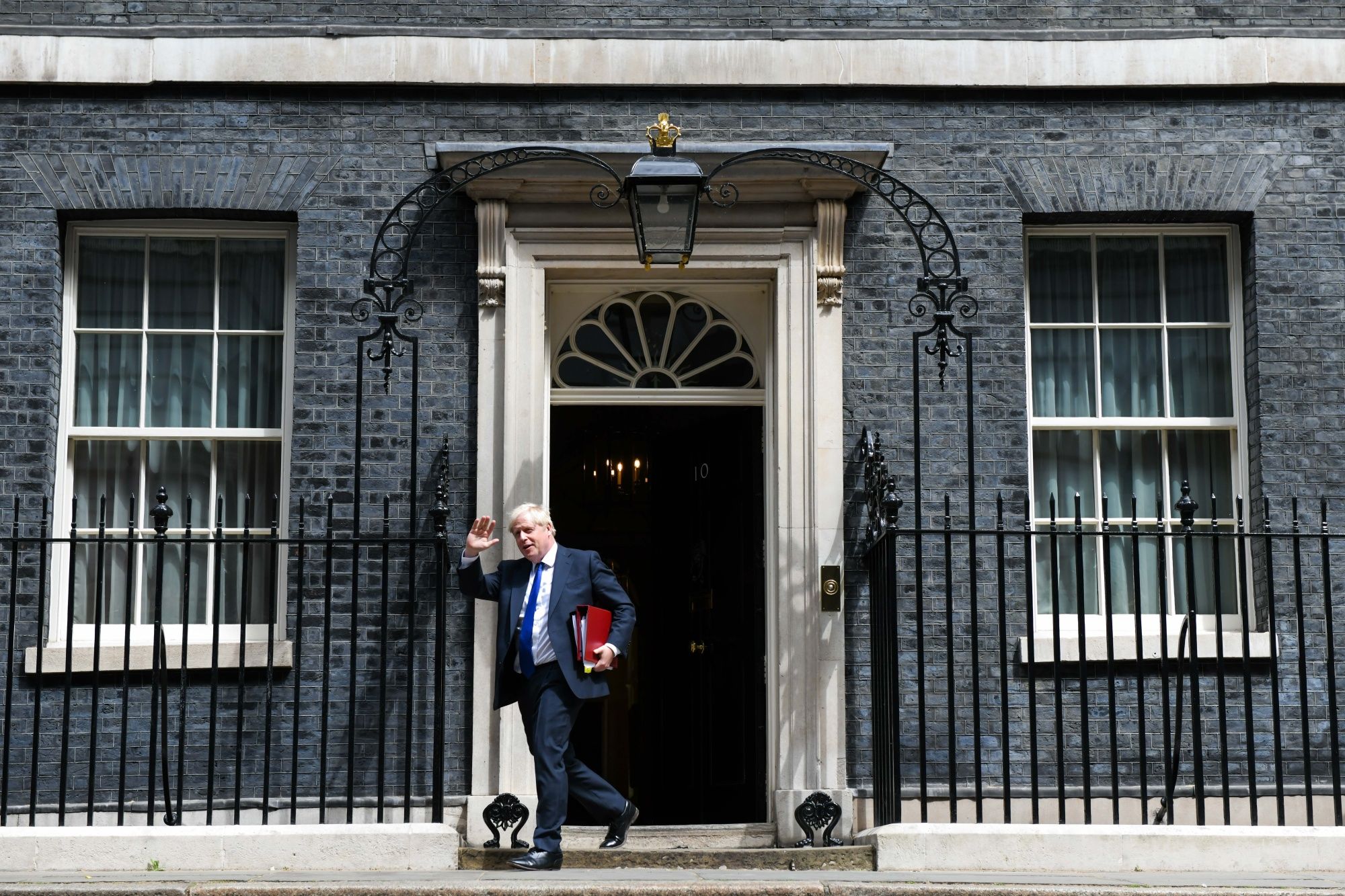
UK Prime Minister Boris Johnson warned his ruling Conservative MPs that he'll “keep going” in the face of calls for him to quit, as plotters in his party gather to discuss a potential new confidence vote amid a fresh wave of ministerial resignations.
Gary Sambrook, a Tory MP on the executive of the critical backbench 1922 Committee which organizes confidence votes in the party leader, told Johnson directly in the House of Commons on Wednesday that he must “take responsibility and resign.” Former cabinet minister David Davis also repeated his call for the premier to quit.
A ballot could come as soon as next week, a person familiar with the matter said, with members of the 1922 Committee due to meet later on Wednesday to discuss Johnson's future.
“The job of a prime minister in difficult circumstances when he's been handed a colossal mandate is to keep going and that's what I'll do,” Johnson told MPs at Prime Minister's Questions.
That remark was in response to Tory lawmaker Tim Loughton, who asked whether he thought “there are any circumstances in which he should resign.” It's a signal that the premier sees his mandate as coming from the electorate -- which delivered him a thumping majority in 2019 -- rather than his MPs.
Johnson was facing MPs publicly for the first time since the resignations of Chancellor of the Exchequer Rishi Sunak and Health Secretary Sajid Javid on Tuesday. There has been a steady flow of Tory MPs resigning from more junior positions since then.
The final straw for many has been Johnson's handling of a scandal involving Chris Pincher, an MP who the prime minister promoted in February despite receiving prior warnings about inappropriate behavior.
“I greatly regret that he continued in office,” Johnson told MPs. “In hindsight I should have realized he would not change.”
But Labour leader Keir Starmer said it was time for Johnson to quit: “Isn't it the first recorded case of the sinking ships fleeing the rat?”
More stories like this are available on bloomberg.com
©2022 Bloomberg L.P.

-
A New Samvat Wishlist: Inclusive Prosperity And Human Development

India has strengthened its economic foundations through infrastructure, digital access and enterprise. Its next growth chapter must deepen productivity, create better livelihoods and widen participation in prosperity.
-
Love, Sex Aur Dhokha: The Audacious Plot To Spy On Jensen Huang
A Taipei dinner, a Singapore chip buyer and a suspected Chinese asset: inside the alleged spy operation that got close to NVIDIA's Jensen Huang.
-
Ten Things I Learnt This Samvat
Patience can be a trap. Cheap stocks can stay cheap. Leverage can wipe you out. What did Samvat 2082 teach us? Niraj Shah writes on 10 lessons from the year gone by.
-
Talking Points This Week: Tech Nerves, FII Buying, And A Faraway Banking Shock
The global markets are not shining this Diwali. The exception in the large markets is, India.
-
Midterm Rally Lasted A Day. The Hard Reality Of A Divided US May Last Two Years | Opinion
Between a contested AI boom, a debt ceiling that arrives in 2027 and a president with every incentive to act alone, the next two years may prove more volatile than the first day's rally suggests.
-
Blue Wave Will Derail the AI Trade but Won't Dismantle the AI Era | Unhedged Position
The Democrats' sweep of the US Congress will see politics collide with economic forces both over the long and short term.
-
It's Time To Take The GST Council's Bet On Trust Global
Payment records can prove India's services exports, and clear, proportionate rules can bring foreign digital sellers into the tax net.
-
Opinion | India at 38: From Innovation Overperformer to Innovation Powerhouse
India now has 453 VC-backed deep science startups, 18 of them late-stage, after 117 percent growth since 2020. Laurus Labs, at USD 9.3 billion, is the most valuable deep science company in any middle-income economy outside China.
-
Navigating Energy Crossroads: S Jaishankar's Call For Diversified Supply Chains At G20 Ministerial Meeting
As geopolitical fault lines continue to test maritime trade routes and commodity flows, Jaishankar's message remains pertinent: true economic resilience requires open markets, protected transit lines, and a genuine commitment to multilateral cooperation rather than coercion.









