JNPA To Invite Bids For Liquid, Coastal Berth In Two Months
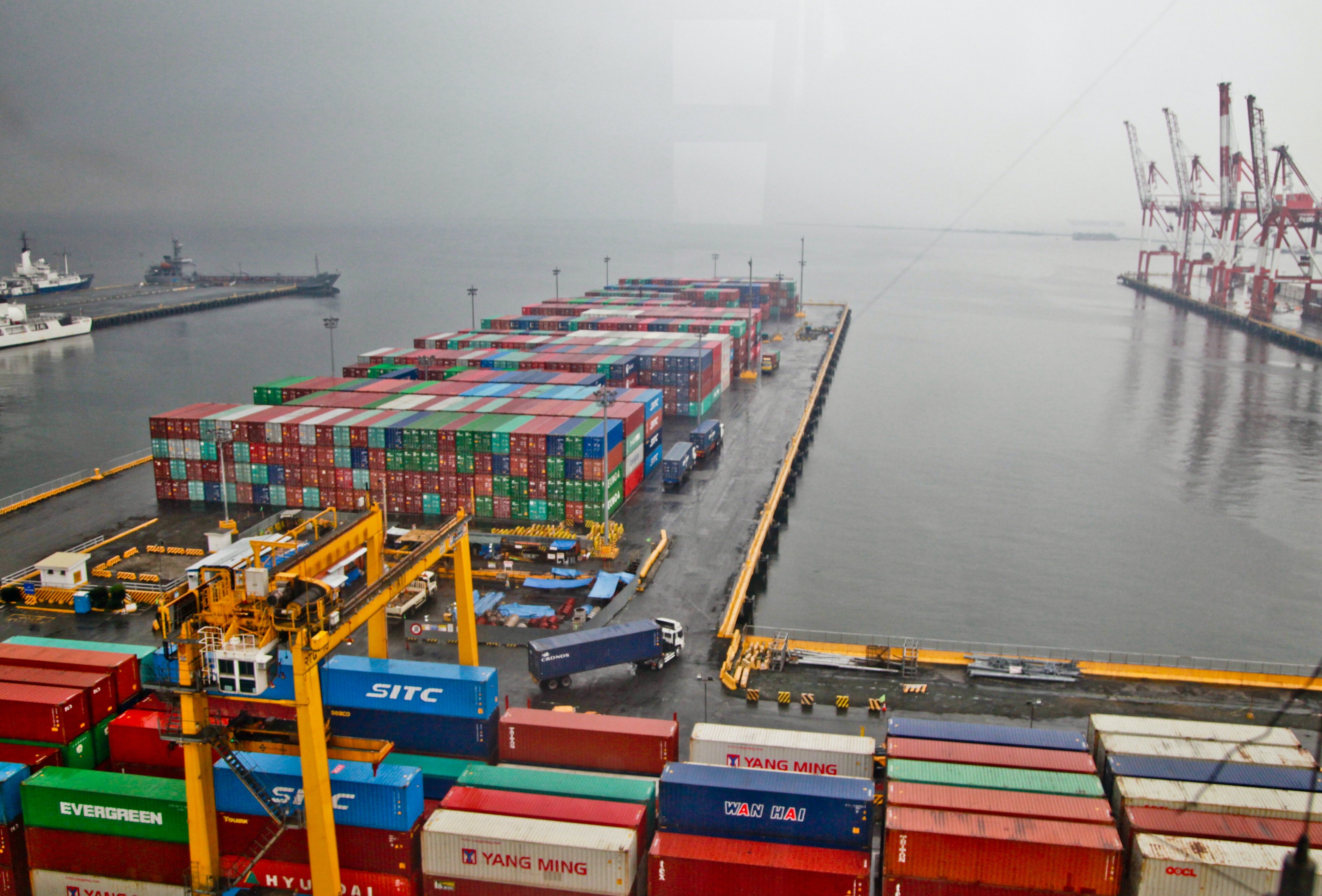
India's largest container port plans to invite bids to set up a liquid and a coastal berth in the next two months, in a push to public-private partnership under the National Maritime Policy 2030.
A detailed project report has been prepared for a 4.5-million-tonnes-per-annum liquid berth by Tata Projects Ltd., expected to cost around Rs 300 crore. The winner will contribute around Rs 100 crore to the project cost, Sanjay Sethi, chairman at Jawahar Lal Nehru Port Authority, said.
The state-run port is also planning to invite bids for a coastal berth, and the process is underway to award a 2.5-MTPA shallow water berth, which will together cost around Rs 380 crore.
"We have received bids for the shallow water berth. It will be awarded in two months' time. We are awaiting security clearance for the project," Sethi said.
Besides, the port is in the process of privatising its oldest, self-operated container terminal—the Jawaharlal Nehru Port Container Terminal.
A consortium of Mumbai-based JM Baxi Group and France's CMA CGM subsidiary—CMA Terminals—has emerged as the highest bidder for a 30-year concession to privatise JNPCT.
As part of the industrialisation of the port-based 270-hectare land, the port has awarded around 35% of the land under the Special Economic Zone to companies such as Hindustan Infrastructure Projects of DP World, which are operating in the warehousing space.
JNPA expects to award the remaining 65% of the land in the next two to three years, an official told BQ Prime on the condition of anonymity.
Since the first PPP project was awarded in 1997, JNPA has received investments worth Rs 13,000 crore in five such partnerships. It includes investments from major international port and shipping companies such as DP World, PSA Singapore and APM Terminals, part of the AP Moller-Maersk Group, among others.
Overall, India has seen 34 PPP projects in the ports and shipping sector worth Rs 27,000 crore over the last 25 years. There are close to 35 projects worth Rs 14,500 crore that will be awarded by March 2025, the JNPA official quoted above said.

-
A New Samvat Wishlist: Inclusive Prosperity And Human Development

India has strengthened its economic foundations through infrastructure, digital access and enterprise. Its next growth chapter must deepen productivity, create better livelihoods and widen participation in prosperity.
-
Love, Sex Aur Dhokha: The Audacious Plot To Spy On Jensen Huang
A Taipei dinner, a Singapore chip buyer and a suspected Chinese asset: inside the alleged spy operation that got close to NVIDIA's Jensen Huang.
-
Ten Things I Learnt This Samvat
Patience can be a trap. Cheap stocks can stay cheap. Leverage can wipe you out. What did Samvat 2082 teach us? Niraj Shah writes on 10 lessons from the year gone by.
-
Talking Points This Week: Tech Nerves, FII Buying, And A Faraway Banking Shock
The global markets are not shining this Diwali. The exception in the large markets is, India.
-
Midterm Rally Lasted A Day. The Hard Reality Of A Divided US May Last Two Years | Opinion
Between a contested AI boom, a debt ceiling that arrives in 2027 and a president with every incentive to act alone, the next two years may prove more volatile than the first day's rally suggests.
-
Blue Wave Will Derail the AI Trade but Won't Dismantle the AI Era | Unhedged Position
The Democrats' sweep of the US Congress will see politics collide with economic forces both over the long and short term.
-
It's Time To Take The GST Council's Bet On Trust Global
Payment records can prove India's services exports, and clear, proportionate rules can bring foreign digital sellers into the tax net.
-
Opinion | India at 38: From Innovation Overperformer to Innovation Powerhouse
India now has 453 VC-backed deep science startups, 18 of them late-stage, after 117 percent growth since 2020. Laurus Labs, at USD 9.3 billion, is the most valuable deep science company in any middle-income economy outside China.
-
Navigating Energy Crossroads: S Jaishankar's Call For Diversified Supply Chains At G20 Ministerial Meeting
As geopolitical fault lines continue to test maritime trade routes and commodity flows, Jaishankar's message remains pertinent: true economic resilience requires open markets, protected transit lines, and a genuine commitment to multilateral cooperation rather than coercion.









