ITC Q4 Results: Profit Meets Estimates Even As Cost Pressures Persist
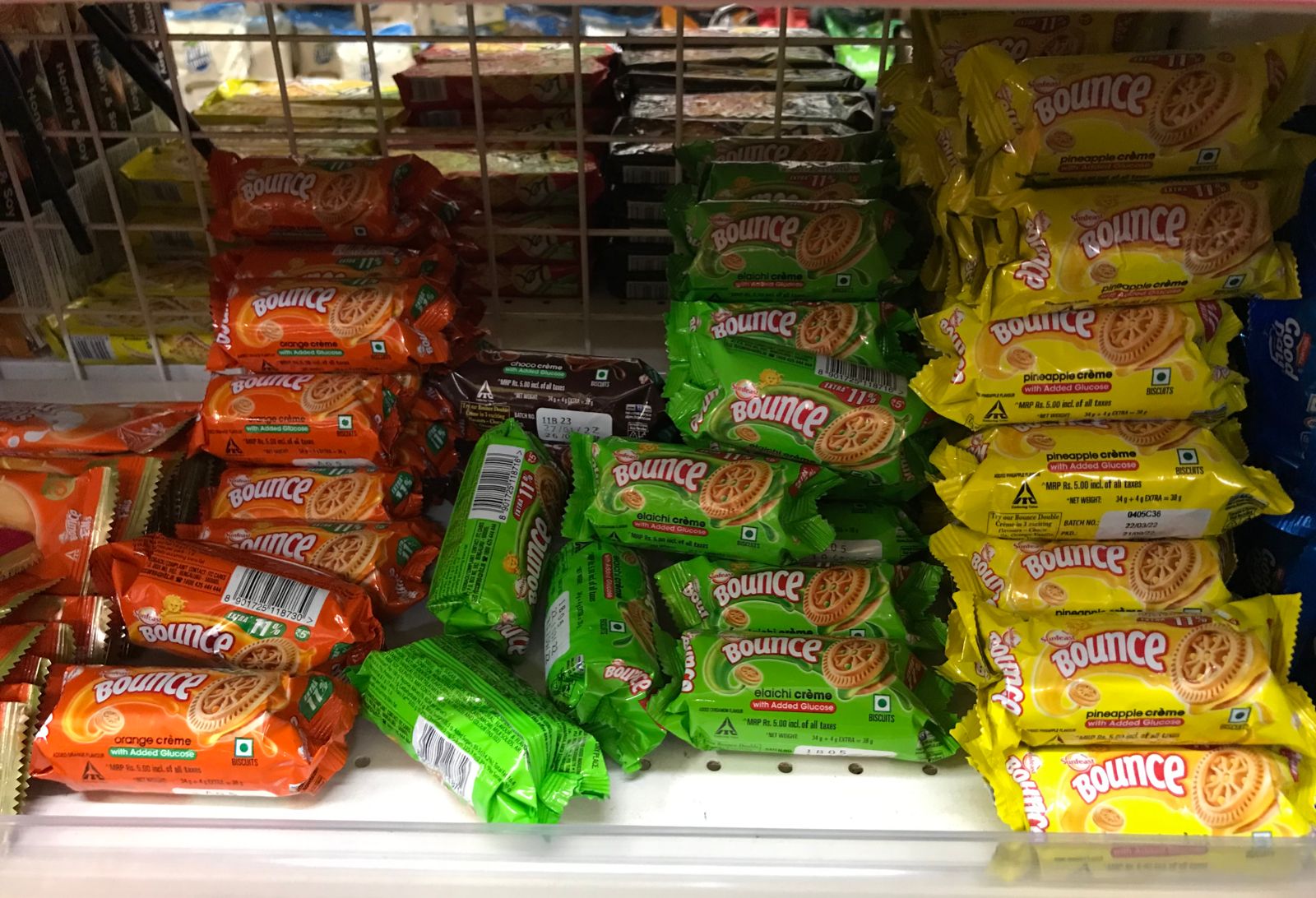
ITC Ltd.'s quarterly profit rose, in line with estimates, aided by cigarette sales and other consumer goods businesses even as the hotel vertical took a hit.
Net profit attributable to the owner of the consumer goods company—also India's largest cigarette maker—rose 12% year-on-year to Rs 4,195.7 crore in the quarter ended March, according to its exchange filing. That compares with the Rs 4,003.7-crore consensus estimate of analysts tracked by Bloomberg.
The owner of Aashirvaad and Sunfeast brands saw revenue rise 15% over the year ago to Rs 17,754 crore, against the forecast of Rs 15,983.9 crore.
Highlights (YoY)
Cigarette revenue rose 10.3% year-on-year to Rs 7,177 crore. Volume growth stood at 9%.
Revenue of the remaining fast-moving consumer goods business rose 12.3% to Rs 4,148.6 crore. Margins came in at 9%, up 75 basis points year-on-year despite "unprecedented" inflationary headwinds.
For hotels, it rose 34.8% to Rs 407.4 crore. On a sequential basis, however, revenue fell 17.7%, impacted by the Omicron wave of Covid-19. The segment posted a loss before tax of Rs 29.1 crore during the quarter. There has been a sequential improvement in average room rates, yet it remains below the pre-pandemic levels.
Farm business revenue rose 29.3% to Rs 4,375.4 crore driven by wheat, rice, leaf tobacco exports despite significant operational challenges posed by container shortages, congestion in ports and elevated ocean freight costs.
Paperboards, paper and packaging segment revenue increased 31.8% to Rs 2,182.8 crore aided by demand revival across most end-user segments.
Sales through the e-commerce channel increased 1.5 times during the year, taking the channel salience to 7%.
ITC's operating profit rose 15% year-on-year to Rs 5,599.3 crore during the quarter, against the estimate of Rs 5,134.3 crore. Operating margin stood at 31.5% versus 31.6% a year earlier and 32.1% forecast. This comes on the back of 15.8% jump in the cost of materials consumed by the company during the quarter.
"The unprecedented increase in prices of key inputs was mitigated through focused cost management interventions across the value chain, premiumisation, product mix enrichment, judicious pricing actions and fiscal incentives," the company said in a statement, adding that inflation continues to remain a key monitorable for FMCG segment in the near term.
India's consumer goods makers have been battling a consumption slowdown on the back of successive price hikes undertaken over the last few quarters to combat inflationary pressures on margins.
Among fast-moving consumer goods companies that have announced March-quarter results so far, Hindustan Unilever Ltd., Britannia Industries Ltd., Nestle India Ltd., and Dabur India Ltd., saw margins contract in the quarter ended March as higher cost of commodities, packaging materials and transportation weighed.
Inflation doesn't appear to be slowing down and firms will be forced to take steeper price hikes to aid margins.
Shares of ITC closed 0.72% higher on Wednesday before the results were announced. That compares with a 0.12% fall in the benchmark Nifty 50 Index.

-
Blue Wave Will Derail the AI Trade but Won't Dismantle the AI Era | Unhedged Position

The Democrats' sweep of the US Congress will see politics collide with economic forces both over the long and short term.
-
It's Time To Take The GST Council's Bet On Trust Global
Payment records can prove India's services exports, and clear, proportionate rules can bring foreign digital sellers into the tax net.
-
Opinion | India at 38: From Innovation Overperformer to Innovation Powerhouse
India now has 453 VC-backed deep science startups, 18 of them late-stage, after 117 percent growth since 2020. Laurus Labs, at USD 9.3 billion, is the most valuable deep science company in any middle-income economy outside China.
-
Navigating Energy Crossroads: S Jaishankar's Call For Diversified Supply Chains At G20 Ministerial Meeting
As geopolitical fault lines continue to test maritime trade routes and commodity flows, Jaishankar's message remains pertinent: true economic resilience requires open markets, protected transit lines, and a genuine commitment to multilateral cooperation rather than coercion.
-
Indians Are Travelling, But Not Every Journey Is A Holiday | The Week In Whys
Pilgrims, patients and working women are the real travellers, and the system hasn't quite caught up with them.
-
Getting To Work Costs Women More | The Reason Why
It is not just about women paying more than men. It is about women paying much more in cities than in villages.
-
AI Bias In Investing Cannot Be Eliminated, But It Can Be Governed
Framing is a particularly important example as identical financial information presented in terms of gains rather than losses can lead an LLM to reach a different assessment.
-
Joining The Dots | Dark Skies, Steady Diya: Why Hope Holds This Diwali
With war, a weak rupee and foreign outflows weighing on sentiment, policymakers at the NDTV World Summit and market veterans at NDTV Profit Ignite: Diwali Edition offered the same advice: stay invested and filter out the noise.
-
The Curious Case of Equitas Small Finance Bank And A CEO Who Quit For Stock
PN Vasudevan believes persistent investor concerns over a perceived conflict of interest had become a governance overhang on Equitas Small Finance Bank's stock, even as the lender improved profitability and asset quality.










