How Big Money From IPL Media Rights Could Create Trouble for BCCI
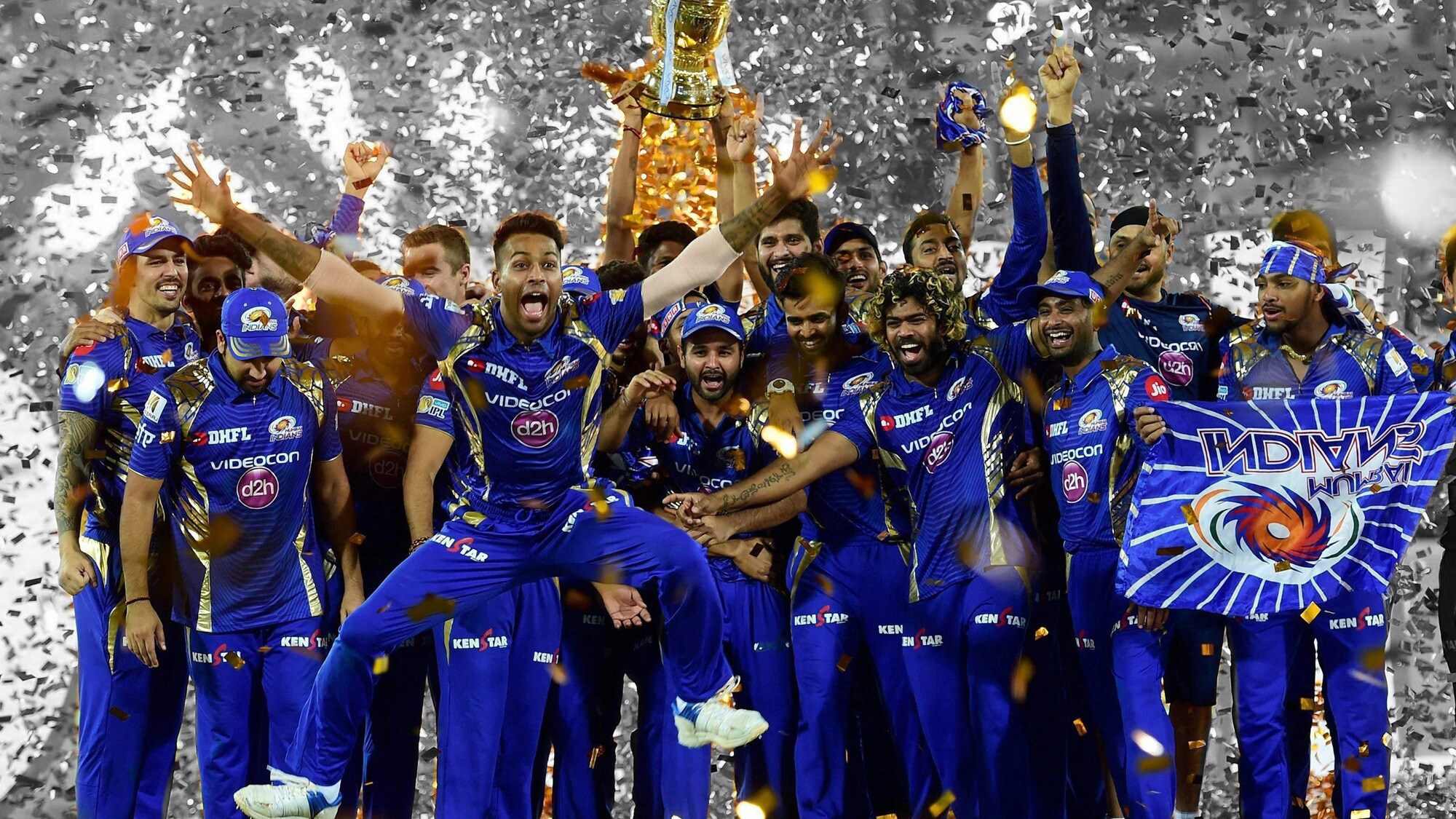
For Indian cricket achhe din have arrived and we can hear the dhol and dhamaka as the celebrations start.
If the BCCI is doing a dance that matches the energy level seen at a fat Punjabi wedding they have every reason to. The IPL title sponsorship sale (where the value went up a staggering 500%) had given hope of a chappar fadke figure, and when the media rights tender was picked up by 24 potential buyers, there were clear signs of a massive number coming up.
The final figure (Rs 16,347 crores over 5 years) did not disappoint. It exceeded what trade pundits predicted. The figure in fact, broken down, means the IPL profit is approximately 2,000 crores and the BCCI is a big kuber sitting on a mountain of wealth.
The mega deal also shifts attention away from the many problems the BCCI has. For the time being the Lodha report is forgotten, pushed to the background, and everyone is talking of this big positive news. There is also the feeling the BCCI is not as bad as it is made out to be, because if that was the case the economy/sponsors/investors would really be this keen to pump in money into the sport, would they?
Also Read: Star India Bag IPL Media Rights For Rs 16,347 Cr for Next 5 Years
Payday for IPL Teams
Besides BCCI, IPL teams are the other beneficiaries of the media rights lottery. With this one deal they have regained financial health; taken off the ventilator so to speak and assured sound health in the future. Contrary to popular belief, the IPL has not been much of a cash cow for the team owners with the first ten years being pretty tough for all franchises — most remained in the red on an annual balance sheet basis, or just about kept their noses above the water.
But now, in one stroke, the dark clouds have disappeared. The share of each team from IPL's central revenue is set to climb to Rs 150- 175 crores which guarantees profitability and signals the arrival of achhe din.
Big Money Not All Good News
The joy of BCCI is understandable but there is potential danger that accompanies this booster injection of cash.
The BCCI shares its riches with state units and now, as the pool has increased, so should the annual grant given to each association. A simple calculation indicates the value of the yearly no-questions-asked 'gift cheque' to each voting member could be around Rs 50-60 crores.
Such resources at the disposal of state associations pose a serious potential danger for two reasons. One, quite often the money reaches irresponsible hands, and there is a genuine worry about abuse and misuse. Two, the money available is far in excess of actual need, which again can cause wastage or, worse, corruption.
Past experience shows that fund misuse is a cause of real big concern. The BCCI internal audit has already discovered several glaring instances (in Goa and Hyderabad, for instances) where BCCI grants were put to questionable use.
Some Preventive Measures in Place
Alarmed by this, and aware of similar misdemeanours in the future, the BCCI has in the past tried to plug the loopholes by adopting sound financial processes. Recently, based on a report drawn by Deloitte, a new 'fund distribution formula' was suggested where the annual grant was split into an automatic fixed component and a variable amount that was requirement linked. Also, fund release was subject to past track record and rigorous accounting scrutiny.
Of course this 'intrusion' did not fly, and was junked. The state units, outraged by the threat to their autonomy, turned down the proposal.
The problem then, for the BCCI, is to use the IPL surplus productively and distribute it in a sensible manner. It has learnt the lesson that cash generates controversy and corruption, scams and scandals. And after the roasting from fans, media and the courts, the last thing BCCI wants is another controversy.
Pay Indian Players Better
The BCCI could well face a serious challenge from within, from an unexpected front -- the Indian players. Anil Kumble petitioned the COA for a wage revision, seeking higher payments to players based on a formula where wages were linked to BCCI revenue. Ravi Shastri, Kumble's successor, is also on record that top players get paid 'peanuts'!
Keeping IPL in mind, if Virat's players were to demand a pay raise it would only be justified. The BCCI centrally contracts players and ones placed in the highest category receive Rs 2 crores a year. Steve Smith and Joe Root are on much bigger contracts than Virat and this mismatch is both an irritant and a grouse.
Taking forward what Kumble and Shastri have said, players could come hard over sharing the IPL bonanza. The BCCI has a complicated and outdated system where 26% of its revenue is shared with players. Which sounds fine till you realise that there are many 'exclusions' from what constitutes BCCI's “revenue” in the first place, and that the total pool is in fact deliberately kept small.
Also Read: Amrit Mathur's Suggested Changes in Treatment of Domestic Players
One prominent ‘exclusion' from the BCCI-players revenue sharing arrangement is the money coming from IPL! Meaning, as things currently stand, no part of the Rs 16,347 crore from the IPL media rights will reach any Indian cricketer.
It's true top stars have hefty IPL contracts and are handsomely rewarded for their skills. Still, they have a strong case for asking for more. Presently whatever they get in the IPL is from the franchises, nothing from the BCCI.
Now that the BCCI has made a commercial killing, in part because of the star appeal of players, they too would want to be invited to the party!
(Amrit Mathur is a senior journalist, former GM of the BCCI and Manager of the Indian Cricket Team. He can be reached at @AmritMathur1)
(#TalkingStalking: Have you ever been stalked? Share your experience with The Quint and inspire others to shatter the silence surrounding stalking. Send your stories to editor@thequint.com or WhatsApp @ +919999008335.)

-
A New Samvat Wishlist: Inclusive Prosperity And Human Development

India has strengthened its economic foundations through infrastructure, digital access and enterprise. Its next growth chapter must deepen productivity, create better livelihoods and widen participation in prosperity.
-
Love, Sex Aur Dhokha: The Audacious Plot To Spy On Jensen Huang
A Taipei dinner, a Singapore chip buyer and a suspected Chinese asset: inside the alleged spy operation that got close to NVIDIA's Jensen Huang.
-
Ten Things I Learnt This Samvat
Patience can be a trap. Cheap stocks can stay cheap. Leverage can wipe you out. What did Samvat 2082 teach us? Niraj Shah writes on 10 lessons from the year gone by.
-
Talking Points This Week: Tech Nerves, FII Buying, And A Faraway Banking Shock
The global markets are not shining this Diwali. The exception in the large markets is, India.
-
Midterm Rally Lasted A Day. The Hard Reality Of A Divided US May Last Two Years | Opinion
Between a contested AI boom, a debt ceiling that arrives in 2027 and a president with every incentive to act alone, the next two years may prove more volatile than the first day's rally suggests.
-
Blue Wave Will Derail the AI Trade but Won't Dismantle the AI Era | Unhedged Position
The Democrats' sweep of the US Congress will see politics collide with economic forces both over the long and short term.
-
It's Time To Take The GST Council's Bet On Trust Global
Payment records can prove India's services exports, and clear, proportionate rules can bring foreign digital sellers into the tax net.
-
Opinion | India at 38: From Innovation Overperformer to Innovation Powerhouse
India now has 453 VC-backed deep science startups, 18 of them late-stage, after 117 percent growth since 2020. Laurus Labs, at USD 9.3 billion, is the most valuable deep science company in any middle-income economy outside China.
-
Navigating Energy Crossroads: S Jaishankar's Call For Diversified Supply Chains At G20 Ministerial Meeting
As geopolitical fault lines continue to test maritime trade routes and commodity flows, Jaishankar's message remains pertinent: true economic resilience requires open markets, protected transit lines, and a genuine commitment to multilateral cooperation rather than coercion.









