Information Asymmetry In Green Bonds Causing Greenwashing, Says SBI Chairman
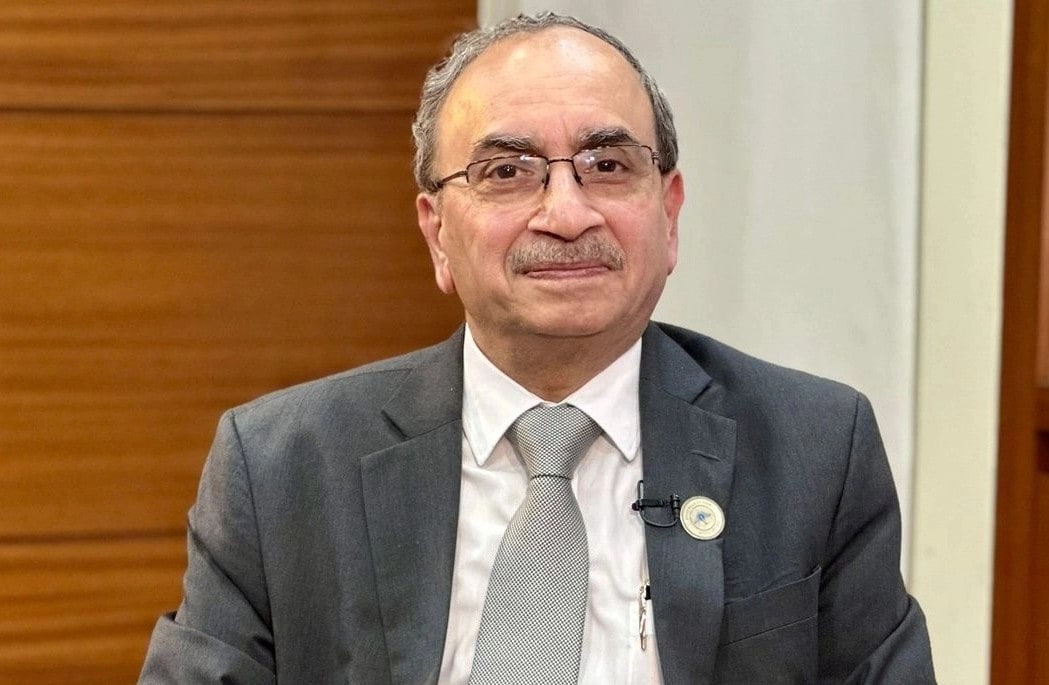
The cost of green bonds continues to be higher in India, and information asymmetry is causing some greenwashing, said State Bank of India Chairman Dinesh Kumar Khara.
Greenwashing refers to the practice of making false promises about a product's environmental benefits.
At a time when the importance of a climate-resistant economy is rising, India needs a proper policy framework for green bonds, Khara said. Indian taxonomy on a par with that of Europe and the creation of audit standards to help corporates have credible data for green initiatives are also the needs of the hour, according to Khara.
He was speaking at the Federation of Indian Chambers of Commerce and Industry's day-long ESG Summit in Mumbai.
The Indian rupee-denominated green bond issuances are expected to gain momentum in FY24, he said. Since more companies are now participating in the green bond market, blended finance and risk sharing abilities are also being utilised, he added.
The Indian government aims at issuing sovereign green bonds worth Rs 20,000 crore by March, as disclosed in its latest borrowing plan.
With sustainable and ESG finance blooming, even the yellow and blue bond market is expanding in India, he added. Yellow bonds pertain to solar energy, and blue bonds pertain to the marine sector.
Talking about India's sustainable development goals, Khara said that the country needs an investment of $600 million per annum to achieve them.
“Indian companies are secured on the sustainability index for emerging markets and adopting ESG norms,” Khara said.
Since efforts are being directed towards green projects, India's goal of meeting 50% of its electricity requirements from renewable sources by 2030 is also a significant step, according to the SBI Chairman. With green finance playing a pivotal role in achieving net zero emissions, India's capital requirement is expected to be 11% of GDP, compared to the global average of 7.5%, he added.
Here, private capital, institutional investors, green bonds, sustainability bonds—all will play a very important role.

-
Blue Wave Will Derail the AI Trade but Won't Dismantle the AI Era | Unhedged Position

The Democrats' sweep of the US Congress will see politics collide with economic forces both over the long and short term.
-
It's Time To Take The GST Council's Bet On Trust Global
Payment records can prove India's services exports, and clear, proportionate rules can bring foreign digital sellers into the tax net.
-
Opinion | India at 38: From Innovation Overperformer to Innovation Powerhouse
India now has 453 VC-backed deep science startups, 18 of them late-stage, after 117 percent growth since 2020. Laurus Labs, at USD 9.3 billion, is the most valuable deep science company in any middle-income economy outside China.
-
Navigating Energy Crossroads: S Jaishankar's Call For Diversified Supply Chains At G20 Ministerial Meeting
As geopolitical fault lines continue to test maritime trade routes and commodity flows, Jaishankar's message remains pertinent: true economic resilience requires open markets, protected transit lines, and a genuine commitment to multilateral cooperation rather than coercion.
-
Indians Are Travelling, But Not Every Journey Is A Holiday | The Week In Whys
Pilgrims, patients and working women are the real travellers, and the system hasn't quite caught up with them.
-
Getting To Work Costs Women More | The Reason Why
It is not just about women paying more than men. It is about women paying much more in cities than in villages.
-
AI Bias In Investing Cannot Be Eliminated, But It Can Be Governed
Framing is a particularly important example as identical financial information presented in terms of gains rather than losses can lead an LLM to reach a different assessment.
-
Joining The Dots | Dark Skies, Steady Diya: Why Hope Holds This Diwali
With war, a weak rupee and foreign outflows weighing on sentiment, policymakers at the NDTV World Summit and market veterans at NDTV Profit Ignite: Diwali Edition offered the same advice: stay invested and filter out the noise.
-
The Curious Case of Equitas Small Finance Bank And A CEO Who Quit For Stock
PN Vasudevan believes persistent investor concerns over a perceived conflict of interest had become a governance overhang on Equitas Small Finance Bank's stock, even as the lender improved profitability and asset quality.










