Chequered History: How Inflation Fared During Shaktikanta Das's Tenure
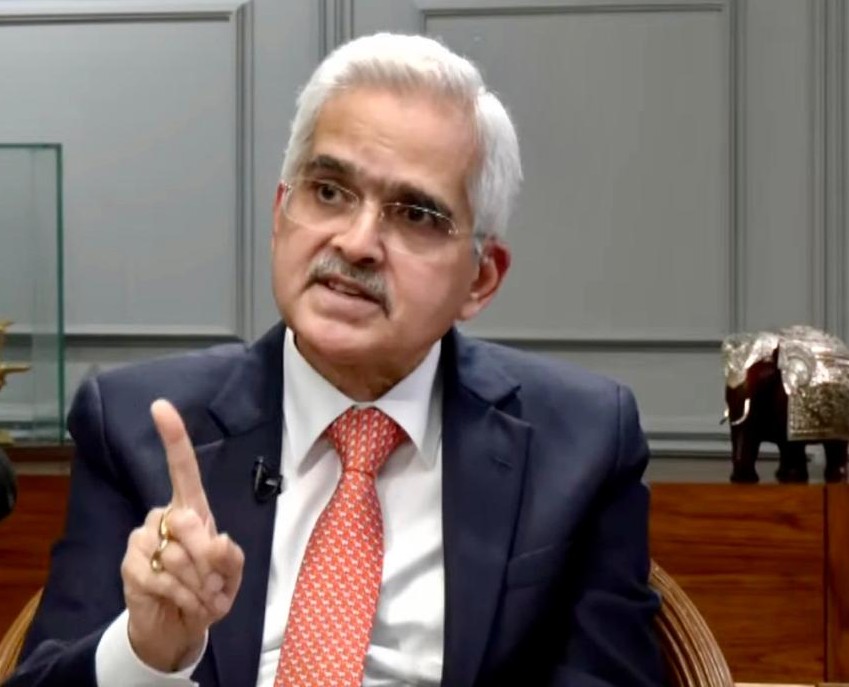
Outgoing Governor Shaktikanta Das's tenure was marked by periods of high retail inflation, primarily driven by fluctuating food prices. Throughout his time in office, Das and his team adhered to the central bank's inflation targeting framework, opting not to reduce the benchmark lending rate, even amid signs of a potential growth sacrifice.
Das, who served as the Reserve Bank of India's (RBI) second-longest-serving governor, took charge in December 2018 when inflation was comfortably below the target range of 4% (± 2%). However, the following year saw a steady increase in retail inflation, largely due to rising food prices. By January 2020, inflation had climbed to 7.59%, with vegetable inflation soaring to 50.19% in January 2020 and 60.5% in December 2019.
The challenges of fluctuating and high inflation persisted into 2022, when retail inflation reached an eight-year high of 7.79% in April, driven by escalating food and fuel prices. In November 2022, the Monetary Policy Committee (MPC) had to communicate with the government, explaining why inflation remained above the tolerance band for more than three consecutive quarters.
Fast forward to 2024, the central bank's inflation woes continue as it targets reining in inflation amidst a slowing economy. While inflation surged above the upper tolerance band of 6% in October, GDP growth in the July-September quarter fell to a seven-quarter low of 5.4%. "Food inflation pressures are likely to linger in Q3 of this financial year and start easing only from Q4FY25, backed by seasonal correction in vegetable prices, kharif harvest arrivals, likely good rabi output, and adequate cereal buffer stocks," Das said in his statement.
High inflation reduces the disposable income in the hands of consumers and dents private consumption, which negatively impacts the real GDP growth, Das said, explaining the rationale behind a status quo on the benchmark lending rate.
"The MPC believes that only with durable price stability can strong foundations be secured for high growth. The MPC remains committed to restoring the inflation growth balance in the overall interest of the economy," Das said.

-
Ten Things I Learnt This Samvat

Patience can be a trap. Cheap stocks can stay cheap. Leverage can wipe you out. What did Samvat 2082 teach us? Niraj Shah writes on 10 lessons from the year gone by.
-
Talking Points This Week: Tech Nerves, FII Buying, And A Faraway Banking Shock
The global markets are not shining this Diwali. The exception in the large markets is, India.
-
Midterm Rally Lasted A Day. The Hard Reality Of A Divided US May Last Two Years | Opinion
Between a contested AI boom, a debt ceiling that arrives in 2027 and a president with every incentive to act alone, the next two years may prove more volatile than the first day's rally suggests.
-
Blue Wave Will Derail the AI Trade but Won't Dismantle the AI Era | Unhedged Position
The Democrats' sweep of the US Congress will see politics collide with economic forces both over the long and short term.
-
It's Time To Take The GST Council's Bet On Trust Global
Payment records can prove India's services exports, and clear, proportionate rules can bring foreign digital sellers into the tax net.
-
Opinion | India at 38: From Innovation Overperformer to Innovation Powerhouse
India now has 453 VC-backed deep science startups, 18 of them late-stage, after 117 percent growth since 2020. Laurus Labs, at USD 9.3 billion, is the most valuable deep science company in any middle-income economy outside China.
-
Navigating Energy Crossroads: S Jaishankar's Call For Diversified Supply Chains At G20 Ministerial Meeting
As geopolitical fault lines continue to test maritime trade routes and commodity flows, Jaishankar's message remains pertinent: true economic resilience requires open markets, protected transit lines, and a genuine commitment to multilateral cooperation rather than coercion.
-
Indians Are Travelling, But Not Every Journey Is A Holiday | The Week In Whys
Pilgrims, patients and working women are the real travellers, and the system hasn't quite caught up with them.
-
Getting To Work Costs Women More | The Reason Why
It is not just about women paying more than men. It is about women paying much more in cities than in villages.









