India's Vegetable Prices 'Crazy' But Food Deflation To Aid Middle Class Spends: New Unilever Chief
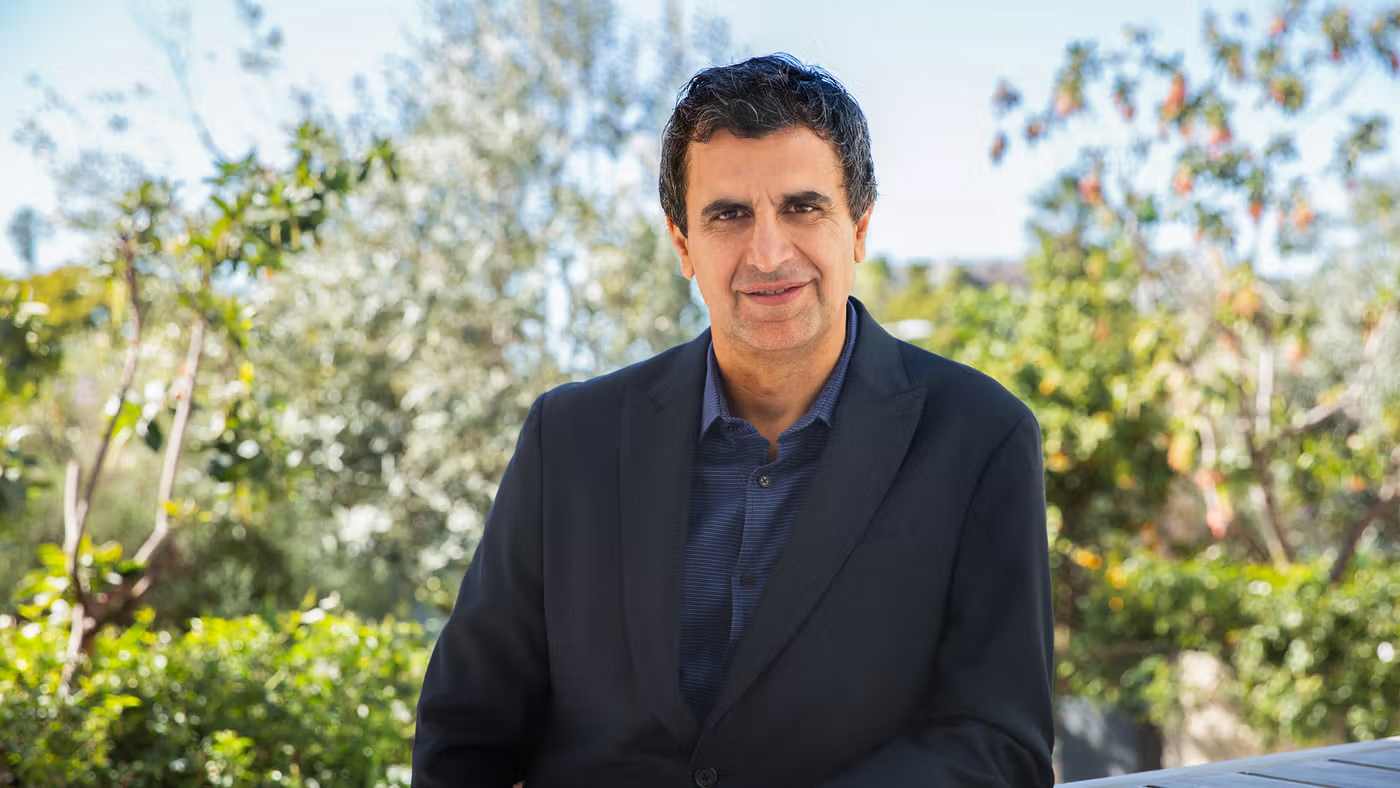
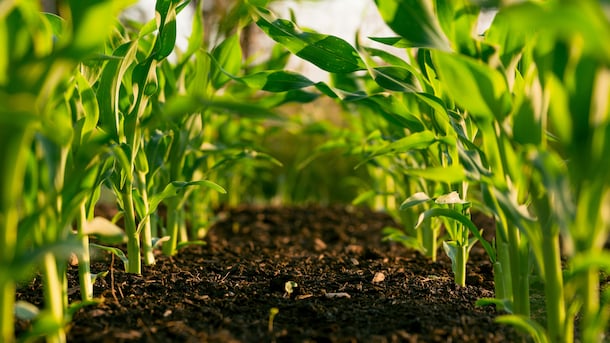
Consumer goods bellwether Unilever Plc's newly elevated Chief Executive Officer says vegetables inflation in India "has been crazy", and this is a very unusual phenomenon. "It is very strange because in vegetables, usually supply and demand align very quickly," Fernando Fernandez said in a fireside chat with Barclays.
The setting in of food deflation after many years of food inflation, coupled with a 25 basis point rate cut by the Reserve Bank of India and the revision of income tax slabs, will improve spending among middle-class consumers in India, he added.
This is the first time Fernandez is voicing his views for the company since being announced as Unilever' CEO late last month. The former finance head replaced Hein Schumacher as the chief executive, after what was seen as a surprise exit by the former. Before becoming CEO, Fernandez had held roles including heading up Unilever's Latin American division and its beauty and wellbeing unit, one of the company's fastest-growing businesses.
Unilever's India Outlook
Commenting on it's local unit Hindustan Unilever Ltd.'s future, he said that India's economic environment is expected to improve in the second half of the year, while the country's Rs 82 lakh-crore retail market is seeing a rediscovery by global brands, following a slowdown in China's markets.
India is Unilever's second-biggest market after the US and contributes over 11% to the company's global topline.
"Richer Indians and poorer Indians live in close proximity, and that basically provides demand and supply of labour," Fernandez told Barclays Researcher Warren Ackerman.
The $150-billion Anglo-Dutch enterprise has a great portfolio in India, and has managed to gain 200 basis points of share in the country in the last three years, he said.
While HUL has had an early start in riding the e-commerce wave, Fernandez acknowledged that there are significant channel changes that the company has been dealing with. "Quick commerce is now 2% of our sales. We expect this to be 10-15% in the next three to four years," he said.
Beauty Headwinds
"The only category in which we have some headwinds due to channel and segment development is in beauty," Fernandez said. Earlier in January, Hindustan Unilever announced that it would acquire direct-to-consumer beauty brand Minimalist in a Rs 3,000 crore deal.
"The acquisition of Minimalist is fundamentally an indication of what we will do in India to really move our portfolio fast," Fernandez explained.

-
Navigating Friction And Energy Realities: An Analysis Of Marco Rubio's October Visit To India

Occurring at a critical juncture marked by stalled trade negotiations and escalating geopolitical pressures over global energy supplies, the visit offers a profound window into modern Washington-New Delhi relations.
-
India Exports Capital. Why Not Export Trusteeship?
The big question, then, is whether India can build an institution that global borrowers, investors, banks, and lawyers can trust, even without an Indian connection.
-
France's Economy & Politics Are In Crisis | The Reason Why
Let's look at how the French economy and politics evolved under Nicolas Sarkozy, Franois Hollande and Emmanuel Macron.
-
You May Inherit The Business. You Must Earn Its Credibility.
Succession tests the founder's ability to share authority as much as it tests the next generation's readiness to assume it.
-
Signing Deals Is One Thing; Making Them Work Is Another | The Week In Whys
Sometimes, things don't turn out as planned. Indian companies have lost some bids to rivals, some projects won't produce until 2030.
-
FOMC Wall, PERM Suspension, Hospital Stocks | Talking Points This Week
A PERM suspension would directly affect green-card sponsorship rather than H-1B visas, so the near-term earnings impact could remain relatively limited. The key question is whether this marks a new phase in US scrutiny of Indian IT.
-
Everything, Everywhere, All At Once: Dalal Street's Week To Forget | Joining The Dots
Visa curbs, a Starlink spat and cancer drug caps: what connects this week's shocks for Indian markets
-
India Is Going Abroad For Critical Minerals. But It May Take Years To Pay Off | The Reason Why
Although India's steps are in the right direction, they remain modest compared with India's growing dependence.
-
When Everyone Has AI, What Gives You An Edge?
India's young workforce is entering an uncertain world of work where powerful AI tools are becoming widely accessible. The advantage will belong to those who combine deep expertise with digital fluency, and the distinctly human capabilities that technology cannot manufacture.
-
Wrong Labels, High Pesticide Residues Holding Back Agri Exports | The Reason Why
India needs stronger domestic food-safety and labelling standards, with best practices becoming part of everyday business for farmers, traders and food companies.