India’s Two Largest Telecom Operators Not Willing To Invest In 5G
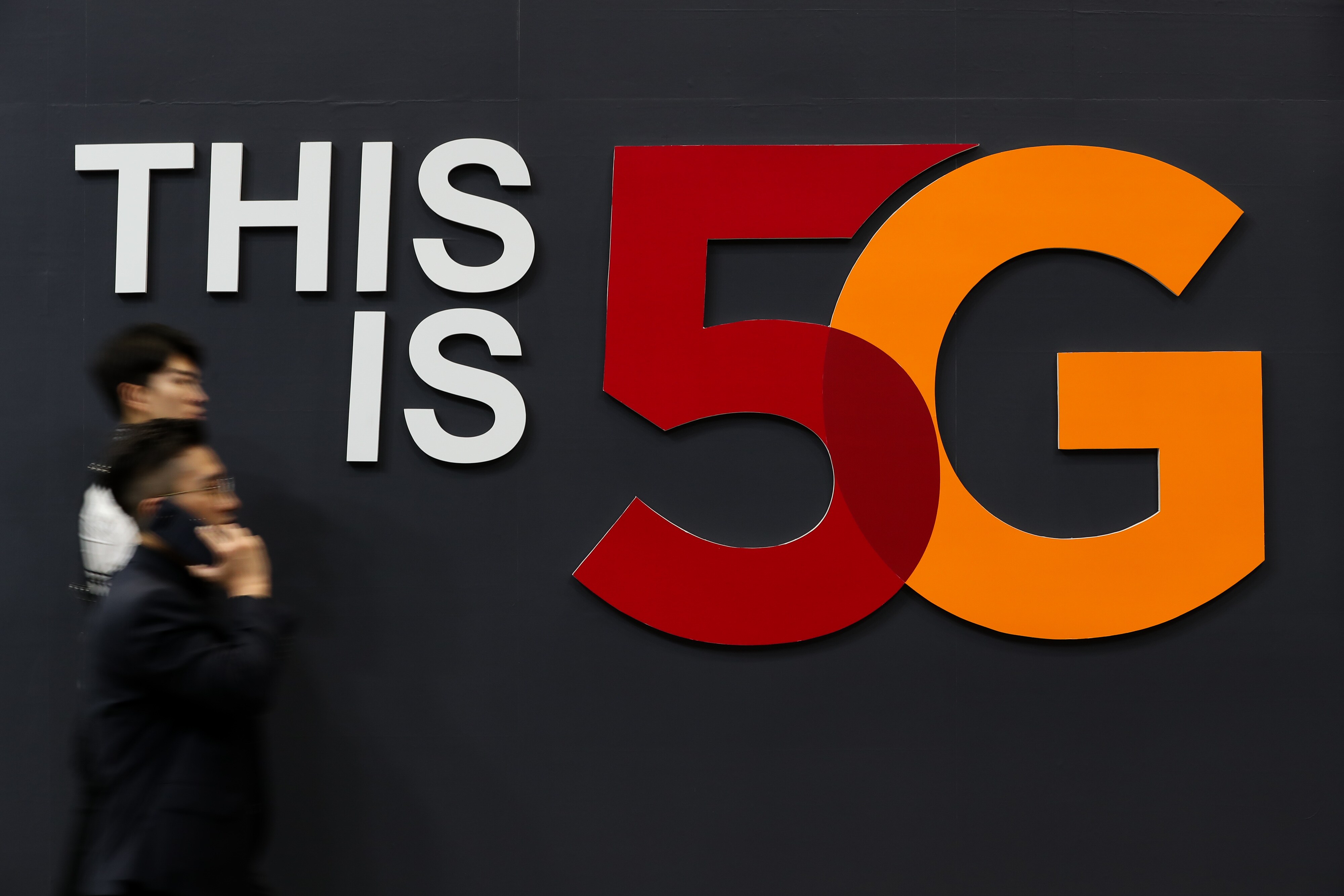
India's two largest telecom operators, struggling amid a bruising tariff war, have signalled that they are not willing to invest in the high-speed fifth-generation networks even as the government eyes a rollout by 2022.
India does not need a 5G network at this juncture, Balesh Sharma, chief executive officer of Vodafone Idea Ltd., said in a press meet today. “We will look to invest in 5G only when there is an appropriate ecosystem and improvement in financial health.”
Billionaire Sunil Mittal-owned Bharti Airtel Ltd., now No. 2, said in a Nov. 16 analyst meet that the company doesn't have the appetite to buy 5G spectrum and will evaluate only when the ecosystem is supportive, according to notes by multiple brokerages.
South Korea, the U.S., China and Japan have started testing or offering 5G services—which can reach data speeds of 10 gigabits per second, about 100 times faster than 4G. India's Telecom Secretary had told Bloomberg earlier that the country would target a rollout by 2022 and some early-stage projects may start as early as 2020. In the auctions scheduled next year, bandwidth supporting 5G airwaves will be on offer.
But the two largest carriers are bleeding after Mukesh Ambani's Reliance Jio Infocomm Ltd. upended the world's second largest telecom industry with cut-rate plans. Profits plunged and debt jumped, driving consolidation. Smaller players were forced out of business while Vodafone India Ltd. and Idea Cellular Ltd. merged.
In the last one year, Aircel Ltd. filed for bankruptcy, Reliance Communications Ltd. sold its assets to Reliance Jio, while Tata Teleservices Ltd. and Telenor Communications Pvt. Ltd. sold their assets to Bharti Airtel.

-
Ten Things I Learnt This Samvat

Patience can be a trap. Cheap stocks can stay cheap. Leverage can wipe you out. What did Samvat 2082 teach us? Niraj Shah writes on 10 lessons from the year gone by.
-
Talking Points This Week: Tech Nerves, FII Buying, And A Faraway Banking Shock
The global markets are not shining this Diwali. The exception in the large markets is, India.
-
Midterm Rally Lasted A Day. The Hard Reality Of A Divided US May Last Two Years | Opinion
Between a contested AI boom, a debt ceiling that arrives in 2027 and a president with every incentive to act alone, the next two years may prove more volatile than the first day's rally suggests.
-
Blue Wave Will Derail the AI Trade but Won't Dismantle the AI Era | Unhedged Position
The Democrats' sweep of the US Congress will see politics collide with economic forces both over the long and short term.
-
It's Time To Take The GST Council's Bet On Trust Global
Payment records can prove India's services exports, and clear, proportionate rules can bring foreign digital sellers into the tax net.
-
Opinion | India at 38: From Innovation Overperformer to Innovation Powerhouse
India now has 453 VC-backed deep science startups, 18 of them late-stage, after 117 percent growth since 2020. Laurus Labs, at USD 9.3 billion, is the most valuable deep science company in any middle-income economy outside China.
-
Navigating Energy Crossroads: S Jaishankar's Call For Diversified Supply Chains At G20 Ministerial Meeting
As geopolitical fault lines continue to test maritime trade routes and commodity flows, Jaishankar's message remains pertinent: true economic resilience requires open markets, protected transit lines, and a genuine commitment to multilateral cooperation rather than coercion.
-
Indians Are Travelling, But Not Every Journey Is A Holiday | The Week In Whys
Pilgrims, patients and working women are the real travellers, and the system hasn't quite caught up with them.
-
Getting To Work Costs Women More | The Reason Why
It is not just about women paying more than men. It is about women paying much more in cities than in villages.









