India’s National Litigation Policy: Enroute To Greater Efficiency And Responsibility
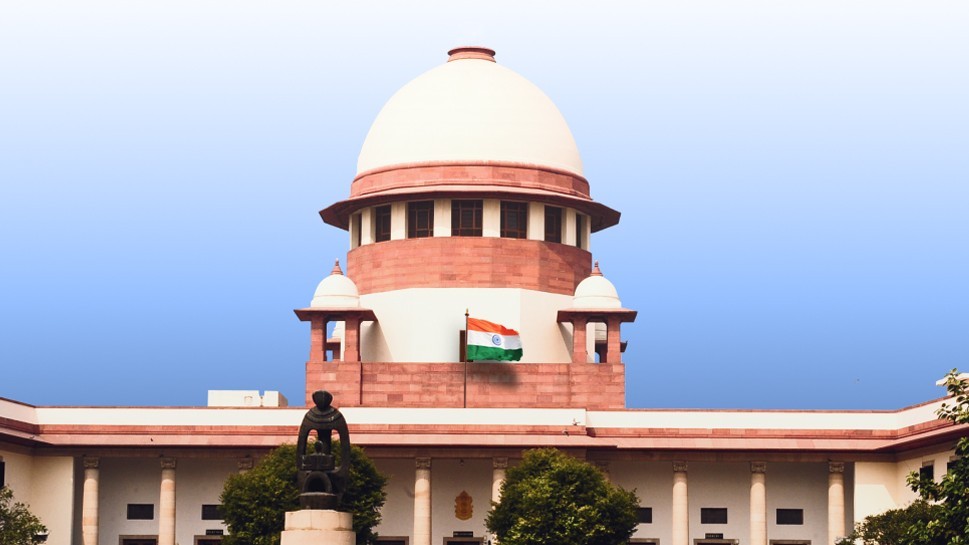
Long delays and a deluge of pending cases are the biggest causes of concern when it comes to the litigation process in India. According to the National Judicial Data Grid, a staggering 5 crore cases are currently pending before the Indian courts. With a view to addressing these concerns and declogging the courts, the much-awaited National Litigation Policy has been endorsed by the new government and is now awaiting Cabinet approval. This policy aims to revolutionise the government's approach to litigation management, addressing the massive backlog of pending cases. It also seeks to transform the government into an efficient and responsible litigant, ensuring that valuable court time is spent resolving more pressing pending cases.
Key Objectives
The National Litigation Policy has undergone extensive revisions and iterations over the course of nearly a decade and a half. The overarching aim is to create a competent and transparent management of legal disputes, prioritising and expediting the cases involving welfare legislation and marginalised communities. By curbing unnecessary government litigation, the policy seeks to free up valuable court time and resources, which can then be dedicated to resolving the piling backlog of pending cases. This is aligned with larger vision of reducing average case pendency from the current 15 years to three years.
Last year, the Bombay High Court had remarked how governments are the largest litigant and the widening divide between the number of judges and Indian consumers. With the new policy, the aim is to transform the government into an ‘efficient' litigant, ensuing that it is well-represented in legal proceedings. The goal seems to be two pronged - win good cases and avoid pursuing bad cases unnecessarily. The key focus will be on addressing the core issues involved in the litigation, managing, and conducting litigation in a cohesive, coordinated and time-bound manner. Importantly, it prohibits the use of frivolous litigation tactics. Instead, it emphasises the importance of factual accuracy, particularly in cases related to welfare legislation, social reform, and vulnerable communities.
Guiding Principles
The new policy appears to be guided by the critique of Justice Krishna Iyer in the landmark case of Dilbagh Rai Jarry versus Union of India. Here, Justice Iyer highlighted the government's propensity for litigation and its significant shortcomings, and emphasising responsibility to avoid unnecessary litigation expenses and prioritise conciliation over confrontation.
The Law Commission's 126th Report, 1988 on Government and Public Sector Undertaking Litigation Policy and Strategies, also emphasised the importance of developing a ligation policy that minimises costs and expedites judicial processes. This report provided a comprehensive framework for the government to manage its litigation practices effectively, ensuring that legal disputes are resolved efficiently and in a manner that is fair to all parties involved.
The Road Ahead
While there is no official data, several news reports cite government litigation in India constituting close to 50% of all pending cases, with over INR 500 crores spent as litigation expense over the last decade. The policy's approval and imminent implementation mark a critical milestone towards enhancing judicial efficiency and accountability in governmental legal affairs. It will not only foster a culture of responsible litigation conduct, alleviating judicial burden but also reinforce the government's commitment to transparent governance and citizen-centric legal practices.
The policy further represents a significant step towards judicial reform, promising streamlined governance and enhanced public trust through efficient, responsible litigation practices.
Ajay Bhargava is Partner at Khaitan & Co.
The views expressed here are those of the author and do not necessarily represent the views of NDTV Profit or its editorial team

-
Talking Points This Week: Tech Nerves, FII Buying, And A Faraway Banking Shock

The global markets are not shining this Diwali. The exception in the large markets is, India.
-
Midterm Rally Lasted A Day. The Hard Reality Of A Divided US May Last Two Years | Opinion
Between a contested AI boom, a debt ceiling that arrives in 2027 and a president with every incentive to act alone, the next two years may prove more volatile than the first day's rally suggests.
-
Blue Wave Will Derail the AI Trade but Won't Dismantle the AI Era | Unhedged Position
The Democrats' sweep of the US Congress will see politics collide with economic forces both over the long and short term.
-
It's Time To Take The GST Council's Bet On Trust Global
Payment records can prove India's services exports, and clear, proportionate rules can bring foreign digital sellers into the tax net.
-
Opinion | India at 38: From Innovation Overperformer to Innovation Powerhouse
India now has 453 VC-backed deep science startups, 18 of them late-stage, after 117 percent growth since 2020. Laurus Labs, at USD 9.3 billion, is the most valuable deep science company in any middle-income economy outside China.
-
Navigating Energy Crossroads: S Jaishankar's Call For Diversified Supply Chains At G20 Ministerial Meeting
As geopolitical fault lines continue to test maritime trade routes and commodity flows, Jaishankar's message remains pertinent: true economic resilience requires open markets, protected transit lines, and a genuine commitment to multilateral cooperation rather than coercion.
-
Indians Are Travelling, But Not Every Journey Is A Holiday | The Week In Whys
Pilgrims, patients and working women are the real travellers, and the system hasn't quite caught up with them.
-
Getting To Work Costs Women More | The Reason Why
It is not just about women paying more than men. It is about women paying much more in cities than in villages.
-
AI Bias In Investing Cannot Be Eliminated, But It Can Be Governed
Framing is a particularly important example as identical financial information presented in terms of gains rather than losses can lead an LLM to reach a different assessment.









